
Beautiful Plants For Your Interior
Beautiful Plants For Your Interior
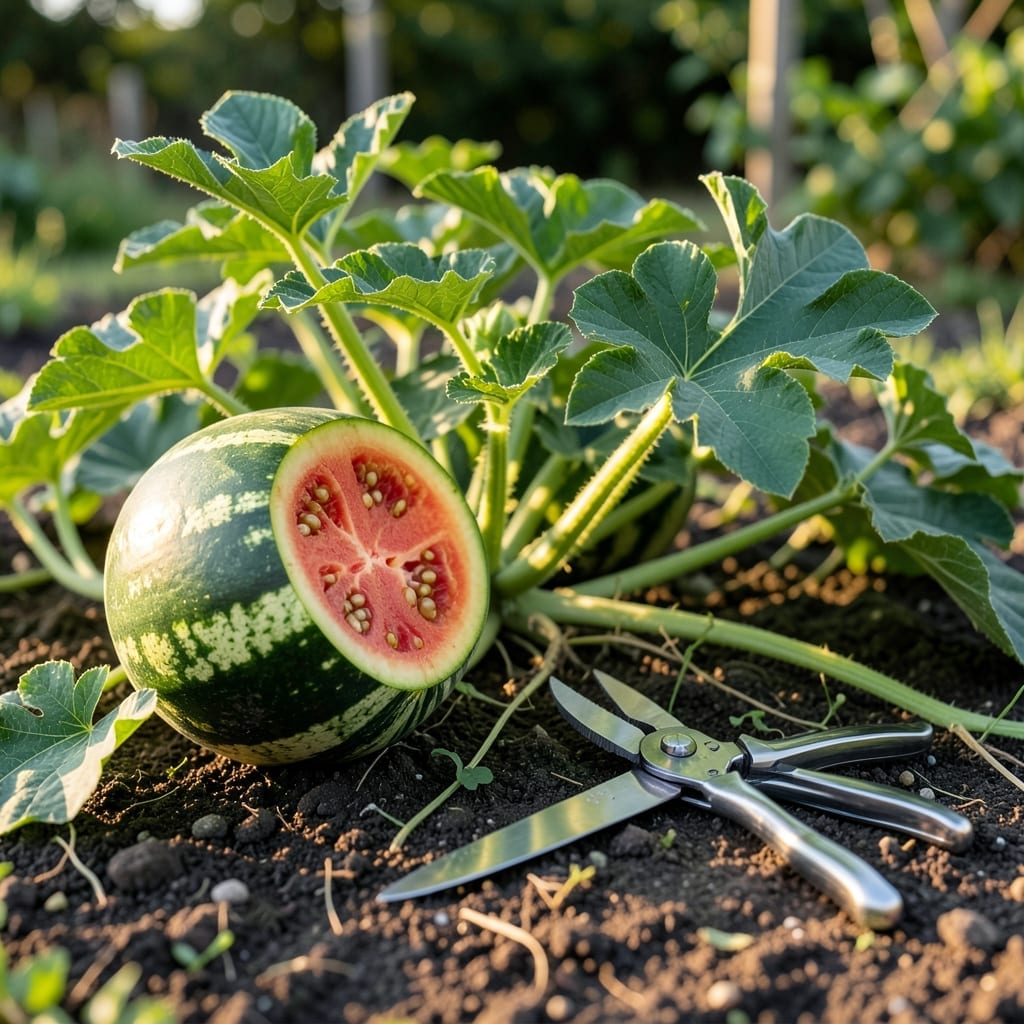
Nothing beats the sweet crunch of a perfectly ripe 🍉 Jubilee Watermelon, but knowing exactly when to harvest can be tricky. The tap and tendril trick is the gardener’s secret to picking melons at peak flavor.
I remember my first attempt at growing these summer favorites – I picked one too early and was met with disappointment. That’s when I discovered the simple methods that guarantee success every time.
What if you could tell ripeness just by listening and looking? These time-tested techniques take the guesswork out of harvesting your Jubilee crop.
Let me walk you through the easiest ways to identify when your watermelons are ready, ensuring every bite is as sweet as it should be.

I love the tap test because it’s the most reliable way to check Jubilee watermelon ripeness. The sound changes as the melon matures, giving you a clear auditory cue. This method works best on a warm, sunny day for accurate results.
To perform the test, gently tap the melon with your knuckles or a flat hand. A ripe Jubilee will produce a deep, hollow sound, almost like a bass drum. An unripe one will sound more metallic or high-pitched.
💡 Key Takeaway: A deep, hollow sound means your Jubilee watermelon is ripe. A high-pitched or metallic sound means it needs more time.
The reason this works is because the internal structure changes as the melon ripens. The water content increases, and the fibers loosen, creating that characteristic hollow echo. It’s a foolproof sign for Jubilee varieties.
I recommend testing a few melons if you have multiple growing. Compare the sounds to train your ear. With practice, you’ll recognize the difference instantly. This trick is especially useful for large Jubilee watermelons.
Another tip: tap different parts of the same melon. The sound should be consistent all around. If one side sounds dull while another sounds hollow, give it another day or two to even out.
Remember, the tap test works best when combined with other signs. The tendril method and color changes are great companions to this auditory check. We’ll cover those next, but the tap test is my go-to for accuracy.
For the best results, perform the tap test in the morning or late afternoon. Avoid doing it in the heat of the day, as extreme temperatures can affect the sound. Consistency is key with this method.
If you’re still unsure, try tapping a melon you know is ripe from the store. This will give you a reference sound to compare against your garden-grown Jubilee watermelons. It’s a simple but effective learning tool.
With the tap test, you’ll never have to guess about ripeness again. It’s a skill that improves with practice, and soon you’ll be picking perfectly ripe Jubilee watermelons every time. The satisfaction of that first sweet bite makes it worthwhile
☀️I always check the tendril nearest the stem first when testing Jubilee watermelon ripeness. This curly vine near the fruit is your best visual clue. When it turns brown and dry, the melon is ready to pick. It’s nature’s simple signal that the sugar has developed fully inside.
Many gardeners miss this sign and harvest too early. I’ve learned to watch for the color change from green to brown, which typically happens 1-2 days before peak ripeness. This gives me time to plan my harvest without rushing.
🌱 Pro Tip: The tendril test works best in morning sunlight. Check multiple tendrils for consistency, as some may dry unevenly.
I avoid pulling the Jubilee watermelon if the tendril is still green and flexible. This means the fruit needs more time on the vine. Patience here ensures the sweetest flavor and best texture for your harvest.
Another common mistake is confusing the tendril with the main vine. Focus only on the small, curly tendril directly attached to the stem near the melon. This is the one that indicates ripeness most accurately.
I’ve found that combining the tendril trick with the tap test gives the best results. When both signs point to readiness, I’m confident my Jubilee watermelon will be perfectly ripe, every time.
Remember, these visual cues are most reliable in consistent growing conditions. If your summer has been unusually wet or dry, I recommend double-checking with the tap test before harvesting.
Once you master this method, you’ll never pick an underripe Jubilee watermelon again. The tendril trick is my go-to for a foolproof harvest every season ✂️