
Beautiful Plants For Your Interior
Beautiful Plants For Your Interior
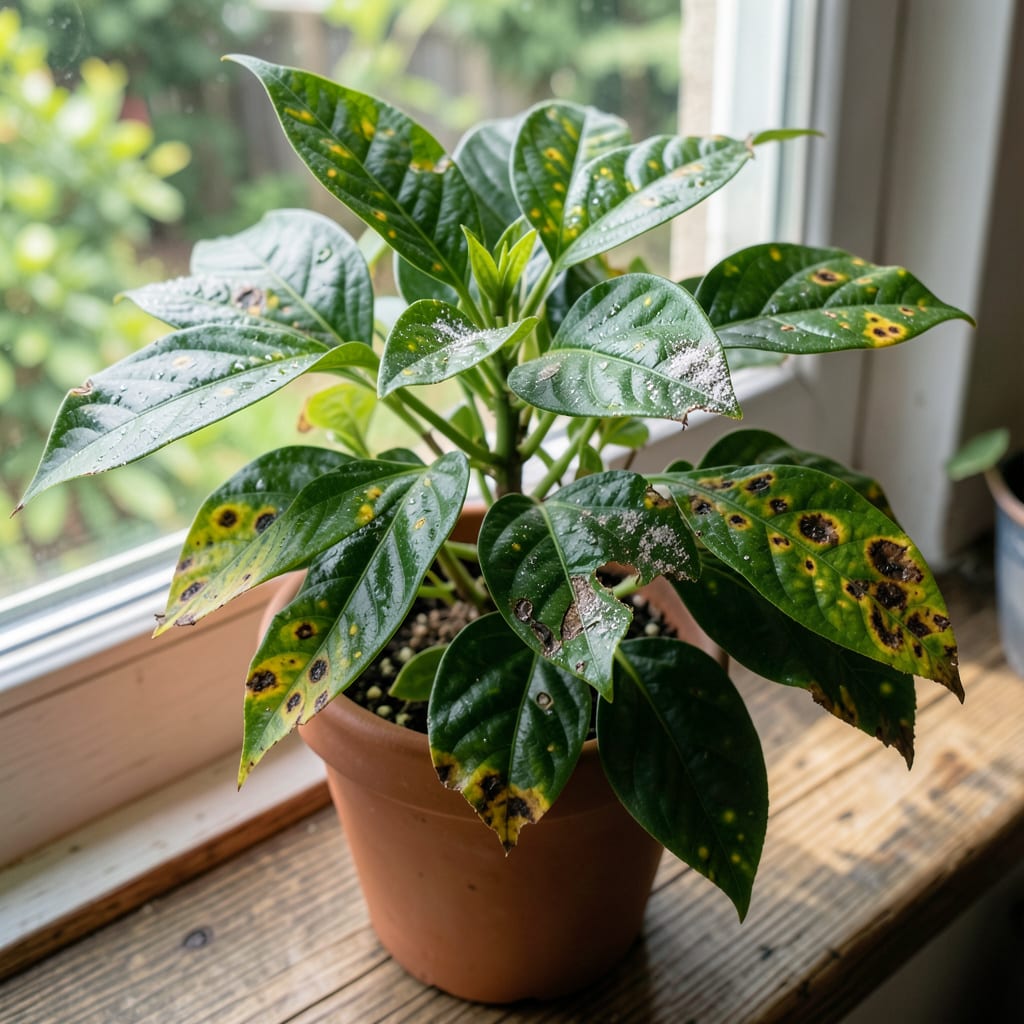
Yellow spots on your jasmine leaves are trying to tell you something. I ignored mine for a week and lost half my plant to powdery mildew. Catching these issues early saves months of recovery time.
Most jasmine leaf diseases show up as discoloration, spots, or weird textures. The culprits are usually fungi, bacteria, or environmental stress. Once you know what to look for, diagnosis becomes foolproof.
Treatment doesn’t have to mean harsh chemicals. I’ve had success with neem oil, baking soda sprays, and simply improving airflow. The plants bounce back faster than you’d expect.
Prevention is even simpler: proper spacing, morning watering, and removing fallen leaves. My jasmine hasn’t had a recurrence in two seasons.
Understanding why jasmine plant leaves develop diseases starts with identifying the root causes. Here are the most common triggers:
Fungi like Cercospora and Alternaria thrive in warm, humid conditions. Overwatering or poor air circulation creates the perfect breeding ground, leading to brown spots, yellowing, or leaf drop. These pathogens spread via spores, so even a single infected leaf can contaminate the entire plant.
Pests such as aphids, spider mites, and whiteflies weaken jasmine plants by sucking sap from leaves. This stress makes the plant more susceptible to secondary infections. Look for sticky residue (honeydew), webbing, or tiny holes as telltale signs.
Extreme conditions—overwatering, underwatering, or sudden temperature swings—stress the plant, compromising its natural defenses. For example, powdery mildew often appears in dry, shaded areas, while root rot occurs in waterlogged soil.
A lack of essential nutrients (e.g., nitrogen, magnesium, or iron) can cause chlorosis (yellowing between veins) or stunted growth. Poor soil quality or improper fertilization often leads to these deficiencies, leaving leaves vulnerable to disease.
Pinpointing the cause helps you apply the right treatment—whether it’s improving drainage, adjusting watering habits, or using fungicides.
Tackling jasmine plant leaf diseases starts with identifying the cause and applying the right fix. Below are practical solutions for common problems, paired with prevention tips to keep your plant thriving. 🌿
Fix: Test soil pH and adjust with lime (for acidic soil) or sulfur (for alkaline soil). If overwatering is the issue, let the soil dry out slightly between waterings. Trim yellow leaves to redirect energy to healthy growth.
Prevention: Use a balanced fertilizer (10-10-10) every 4-6 weeks during growing season. Ensure pots have drainage holes. 💡
Fix: For mites, spray leaves with a mix of water and insecticidal soap (1 tsp per quart). For mildew, apply neem oil or a baking soda solution (1 tsp baking soda + 1 quart water + a few drops of dish soap). Repeat every 5-7 days until resolved.
Prevention: Increase airflow around the plant and avoid wetting leaves during watering. Keep humidity in check with a small fan if growing indoors. ✨
Fix: Remove infected leaves immediately and discard (do not compost). Treat with a copper-based fungicide or bactericide, following label instructions. Prune nearby foliage to improve air circulation.
Prevention: Water at the base of the plant early in the day so leaves dry quickly. Sterilize pruning tools with rubbing alcohol between cuts. 🎯
Fix: Mist leaves regularly or place a tray of water near the plant to boost humidity. Flush the soil with distilled water to remove excess salts from fertilizers.
Prevention: Use filtered or rainwater for irrigation. Reduce fertilizer frequency if leaf tips continue to brown. 🌡️
Consistency is key—monitor your jasmine plant regularly and act at the first sign of trouble to prevent diseases from spreading!
Yellow spots often signal nutrient deficiency or overwatering. Test soil pH and adjust with lime or sulfur. Trim affected leaves to redirect plant energy.
Use neem oil or a baking soda solution (1 tsp baking soda + 1 quart water). Apply every 5-7 days until resolved. Improve airflow to prevent recurrence.
Remove infected leaves immediately. Treat with copper fungicide and prune nearby foliage. Water at the base to keep leaves dry.
