
Beautiful Plants For Your Interior
Beautiful Plants For Your Interior
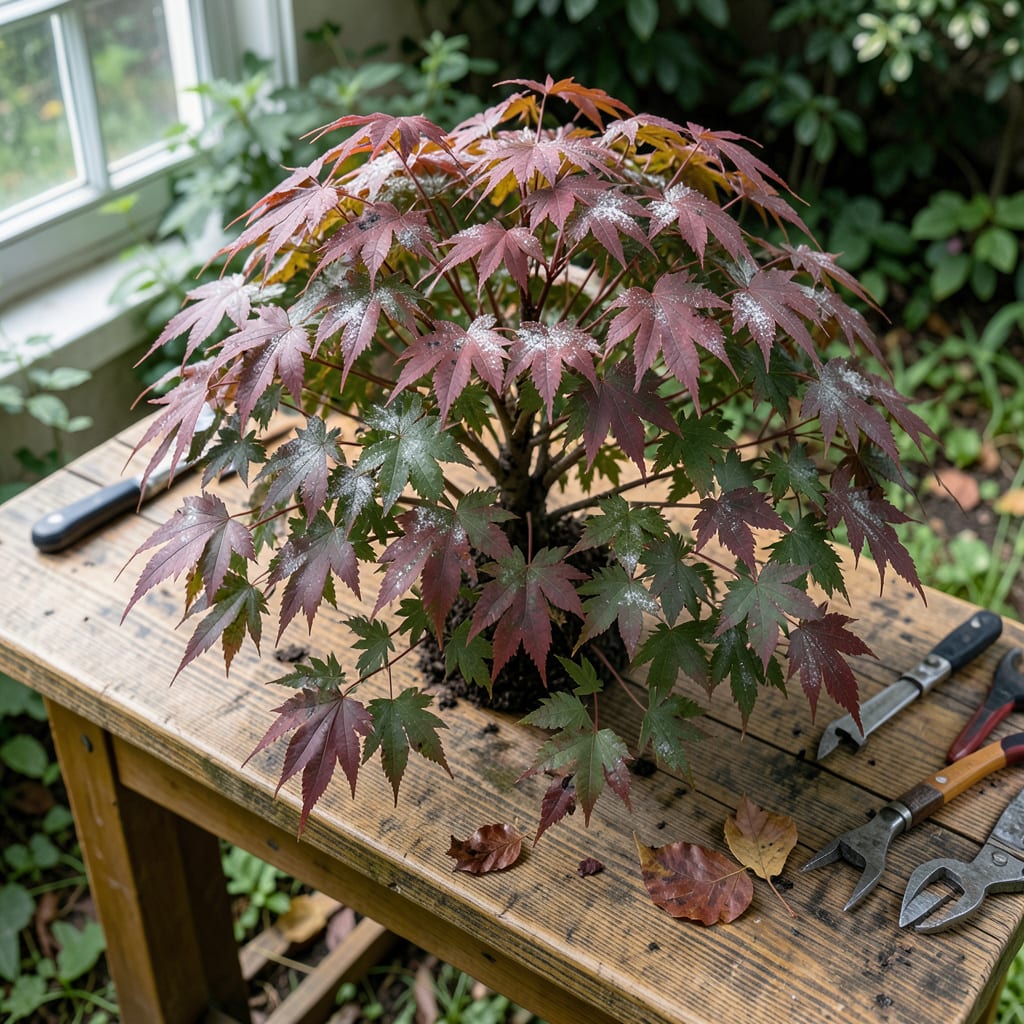
That first brown spot on a Japanese maple leaf hits hard. I’ve stood in my garden, heart sinking, as those delicate red and green leaves showed signs of trouble. Early detection is your best defense against the most common issues.
Most problems start with stress—too much sun, poor drainage, or inconsistent watering. Fungal diseases love these conditions, spreading fast if you don’t act. I’ve learned the hard way that prevention beats cure every time.
With a little vigilance and the right care, your maple can bounce back. Simple adjustments in watering, airflow, and soil health often stop diseases before they take hold.
Works for potted or in-ground trees, in any climate. Here’s how to keep them thriving.
Understanding the root causes of Japanese maple tree diseases helps you prevent and manage them effectively. Below are the primary triggers, each explained with actionable insights.
Fungi like Verticillium and Phytophthora thrive in poorly drained soil or high humidity. Overwatering or dense canopies create ideal conditions for spores to spread, leading to wilting, leaf spots, or root rot. Improve airflow and avoid overhead watering to reduce risk.
Pests such as aphids, scale insects, and mites weaken trees by sucking sap or chewing foliage. Stressed trees are more susceptible to secondary infections. Regularly inspect leaves and use neem oil or horticultural soaps for early control.
Extreme temperatures, drought, or improper sunlight exposure stress the tree, lowering its defenses. Japanese maples prefer partial shade and consistent moisture. Mulch the base to retain soil moisture and protect roots from temperature swings.
Soil lacking nitrogen, iron, or magnesium causes chlorosis (yellowing leaves) or stunted growth. Test your soil and amend with organic matter or targeted fertilizers to restore balance.
Injuries from pruning cuts, lawn equipment, or animal gnawing create entry points for pathogens. Sterilize tools between cuts and protect the trunk with guards to prevent wounds.
Keeping your Japanese maple healthy starts with quick action and smart prevention. Below are targeted fixes for common issues, plus tips to stop problems before they start.
Remove infected leaves immediately and dispose of them in the trash (not compost). Apply a copper-based fungicide every 10–14 days during wet seasons. Prune crowded branches to improve airflow.
Blast pests off with a strong stream of water, then apply neem oil or insecticidal soap weekly until gone. For severe infestations, use horticultural oil in early spring.
Stop watering and let the soil dry out. If the tree is in a pot, repot it in fresh, well-draining soil (mix in perlite or sand). For in-ground trees, amend heavy clay soil with compost.
Rake and destroy fallen leaves in autumn to remove spores. Apply a fungicide (like sulfur-based) in early spring before new growth appears.
Act fast at the first sign of trouble, and your Japanese maple will reward you with vibrant, disease-free foliage for years to come!
Look for dark spots, wilting leaves, or blackened veins on foliage. Fungal issues often appear as powdery mildew or leaf spots that spread quickly in wet conditions.
Inspect leaves weekly, especially undersides, and use neem oil at first signs. Encourage beneficial insects like ladybugs and maintain good airflow around the tree.
Yes! Root rot from soggy soil suffocates roots and can be fatal. Always let the top 2 inches of soil dry between waterings.
Promptly remove and destroy spotted or damaged leaves to prevent spores from spreading. Never compost diseased foliage.
