
Beautiful Plants For Your Interior
Beautiful Plants For Your Interior
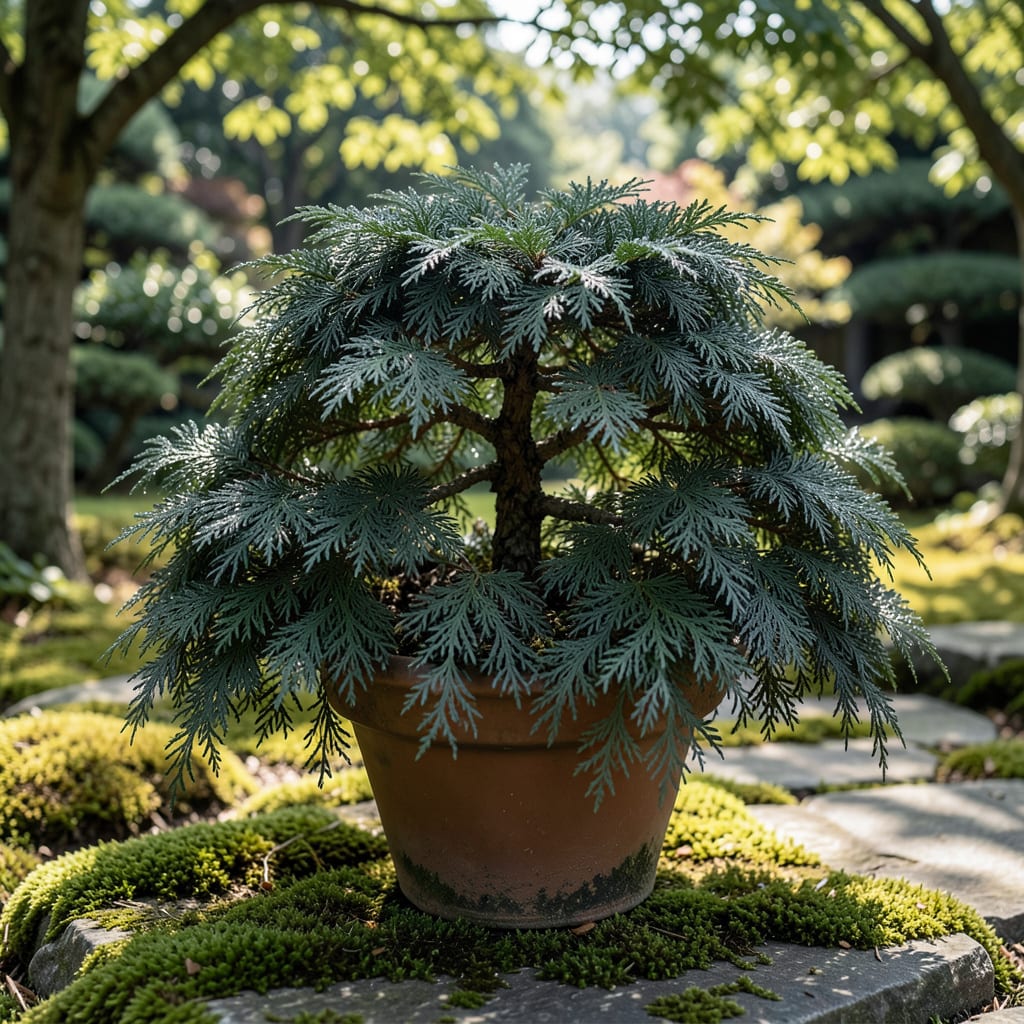
This evergreen stops people in their tracks. The Black Dragon cedar brings deep green, almost black foliage that stays stunning 12 months a year, with that classic Cryptomeria elegance.
I planted mine in partial shade with well-draining soil, and it’s been low-maintenance ever since. Give it consistent moisture the first season, and you’ll have a dramatic focal point that just keeps growing better.
📚 In This Guide
This elegant cultivar thrives with the right approach. Here’s my method for success.
Choose a site with full sun to partial shade, as this cultivar tolerates both but develops its deep green color best with at least 6 hours of direct sunlight daily. Avoid low-lying areas where cold air settles, as this can damage the delicate foliage in winter.
Japanese Black Dragon cedar prefers well-draining, slightly acidic soil with a pH between 6.0 and 6.5. Test your soil and amend with sulfur or lime if needed. The soil should retain moisture without becoming waterlogged, as soggy roots lead to root rot.
Dig a hole that is twice as wide and just as deep as the root ball of your cedar. This gives the roots room to spread and establishes the plant more quickly. Loosen the soil at the sides of the hole to encourage root penetration into the surrounding earth.
If your soil is heavy clay or drains poorly, amend the removed soil with compost or well-rotted manure to improve drainage and fertility. Avoid using fresh manure, as it can burn the roots. Mix the amendments thoroughly before backfilling the hole.
Carefully remove the cedar from its container, gently teasing out any circling roots to prevent girdling as the plant matures. Place the root ball in the hole so that the top is level with or slightly above the surrounding soil. This prevents water from pooling around the trunk.
Backfill the hole with the amended soil, pressing down lightly as you go to eliminate air pockets. Water the plant deeply after planting to settle the soil and provide immediate hydration to the roots.
Apply a 2-3 inch layer of organic mulch, such as wood chips or shredded bark, around the base of the cedar. Keep the mulch a few inches away from the trunk to prevent rot and pest issues. Mulch helps retain soil moisture and suppresses weeds.
Water your cedar deeply once a week during the first growing season, ensuring the soil remains consistently moist but not soggy. Once established, the plant is moderately drought-tolerant but benefits from occasional deep watering during extended dry periods.
Japanese Black Dragon cedar requires minimal pruning. If shaping is desired, prune in late winter or early spring before new growth begins. Use clean, sharp pruners to make precise cuts, and avoid removing more than 20% of the foliage at once.
Monitor the plant for signs of stress, such as yellowing foliage or stunted growth, which may indicate overwatering, nutrient deficiencies, or pest issues. Address any problems promptly to ensure the health and vitality of your cedar.
Here’s what I’ve learned through trial and error to ensure your cedar thrives.
The Sunlight Requirement: While this cultivar tolerates partial shade, the 6 hours of direct sunlight daily mentioned in Step 1 is non-negotiable for that signature deep green color. I’ve seen plants in too much shade develop sparse, pale foliage. If your yard lacks full sun, consider a container on a sunny patio.
Soil pH Precision: The pH range of 6.0 to 6.5 in Step 1 isn’t arbitrary. I tested my soil and found it at 7.2—after amending with sulfur, the difference in growth was striking. Invest in a soil test kit; it’s cheaper than replacing a struggling plant.
Planting Depth Detail: In Step 3, planting the root ball level with or slightly above soil is critical. I buried one too deep my first attempt, and water pooled around the trunk, leading to rot. Press the soil gently to eliminate air pockets, but don’t compact it—roots need room to breathe.
Mulch Placement: The 2-3 inch layer of mulch in Step 4 is perfect, but keep it at least 4-6 inches from the trunk. I learned this the hard way when mulch piled against the bark caused fungal issues. Use wood chips or shredded bark for best results.
This striking evergreen grows at a moderate rate, typically adding 12–24 inches per year under ideal conditions. With proper care, it can reach 15–20 feet in height within a decade.
Early spring or fall is ideal for planting, as cooler temperatures and consistent moisture help the roots establish. Avoid extreme summer heat or winter frost for best results.
Yes! Dwarf varieties thrive in large containers with well-draining soil. Ensure the pot has drainage holes and provide regular watering, especially in dry climates.
Brown leaves often indicate underwatering, poor drainage, or winter burn. Check soil moisture, improve drainage if needed, and protect the plant from harsh winds or frost.
Consider Cryptomeria japonica ‘Yoshino’ or Thuja plicata ‘Green Giant‘ for comparable evergreen elegance. Both offer dense foliage and vertical growth but may differ in hardiness or size.
