
Beautiful Plants For Your Interior
Beautiful Plants For Your Interior
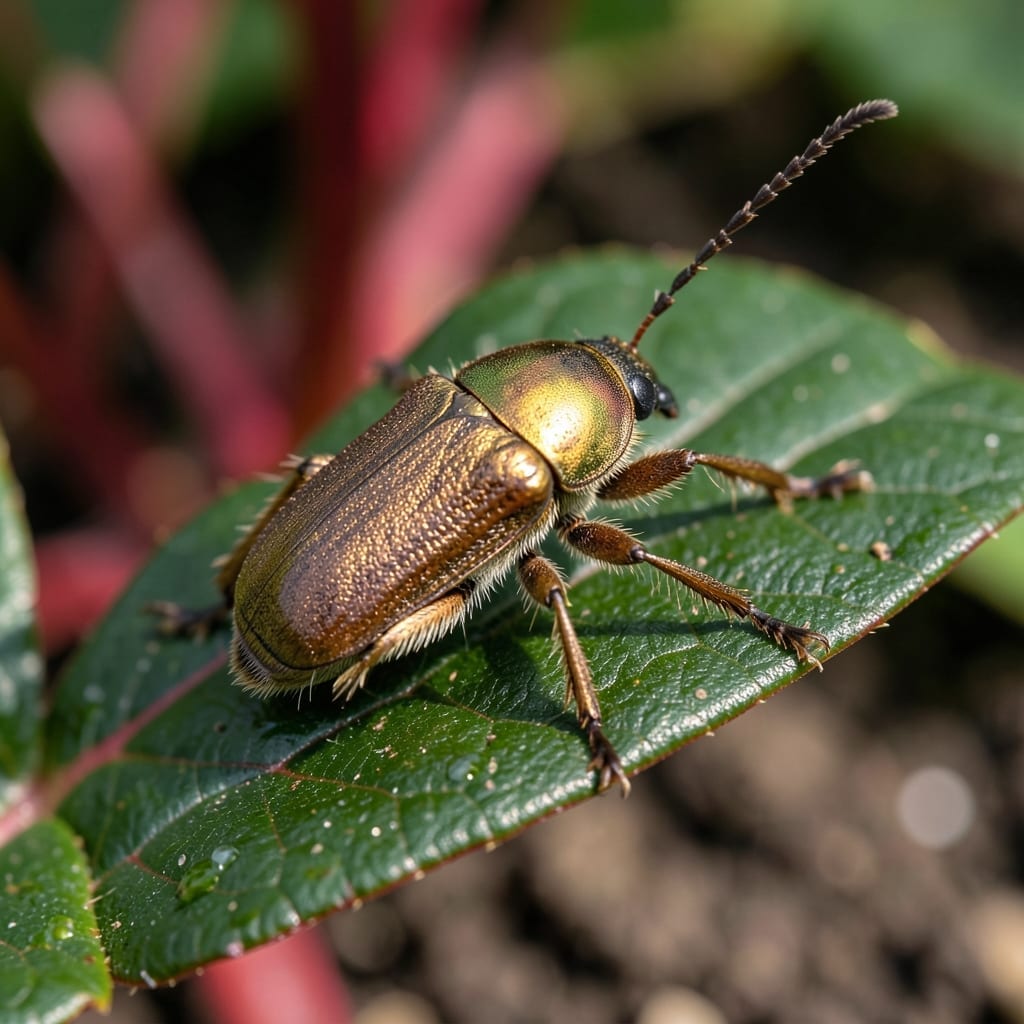
Spot them early and you save your roses. Japanese beetles show up in summer like uninvited guests, skeletonizing leaves and turning your garden into their personal buffet.
I learned the hard way that these metallic green pests with copper wings aren’t picky—they’ll devour 300+ plant species, from grapes to linden trees. The damage starts at the top of plants and works downward, leaving lace-like foliage in their wake.
The good news? You don’t need harsh chemicals. Hand-picking in early morning works surprisingly well, and organic sprays like neem oil disrupt their life cycle. Milky spore powder offers long-term control by targeting grubs in the soil.
Prevention is simpler than cure: remove attractants, use row covers, and maintain healthy soil. Your garden can outsmart these pests with the right approach.
The Japanese beetle (Popillia japonica) doesn’t just appear out of nowhere—its explosive population growth is tied to specific environmental and behavioral triggers. Understanding these causes helps you disrupt their life cycle before they devastate your garden.
These pests thrive in moist, well-drained soils rich in organic matter, which provide the perfect nursery for their grubs. Lawns and gardens with high thatch layers or frequent irrigation create a buffet for egg-laying females. Overwatering or poor drainage exacerbates the problem by keeping the top 2–4 inches of soil—where eggs are laid—consistently damp.
Adult beetles emerge in late June to early July when soil temperatures reach 60–65°F (15–18°C). Prolonged sunshine and temperatures above 85°F (29°C) accelerate their metabolism, leading to rapid feeding and mating. Gardens in full sun are prime targets, as the beetles prefer plants that bask in direct light.
Japanese beetles are highly attracted to plants emitting specific volatile compounds, like phenethyl propionate and geraniol, found in roses, grapes, and linden trees. They also release aggregation pheromones during feeding, which draw more beetles to the area—a domino effect that can overwhelm a garden in days. Over-fertilized plants (especially with nitrogen) produce lush, soft foliage that’s easier for beetles to consume.
Ironically, our own habits can fuel infestations. Transporting infested soil or mulch spreads grubs to new areas. Even mowing grass too short exposes soil to sunlight, warming it faster and speeding up grub development. Additionally, monoculture lawns (e.g., only Kentucky bluegrass) lack biodiversity, removing natural predators that would otherwise keep beetle populations in check.
Dealing with Japanese beetles doesn’t have to mean reaching for harsh chemicals. Here’s how to tackle the problem naturally, with fixes tied to the root causes—and smart ways to prevent future outbreaks.
Beetles are sluggish at dawn. Shake them off plants into a bucket of soapy water early—this removes adults before they lay eggs. Do this daily during peak season (June–July) for best results.
Mix 1 tbsp neem oil + 1 tsp mild soap + 1 quart water and spray on leaves, focusing on the undersides. Reapply after rain. Neem disrupts feeding and egg-laying without harming beneficial insects when used correctly.
Target the grubs (the real culprits) by applying Heterorhabditis bacteriophora nematodes to moist soil in late summer. Water before and after to help them burrow. This breaks the life cycle naturally.
Drape lightweight floating row covers over vulnerable plants like roses, grapes, or beans before beetles emerge. Secure edges with soil or stones to block access.
Prevention Tips:
Grubs are C-shaped, white with a brown head, and about 1 inch long. They live in soil and feed on roots before maturing into adult beetles.
They’re drawn to plants releasing specific scents like roses, grapes, and linden trees. Over-fertilized plants with soft foliage are especially vulnerable.
Apply in late summer to early fall when grubs are actively feeding. It takes 2-3 years to fully establish but provides long-term control.
Rarely, and only if handled roughly. Their bites are harmless but may feel like a pinch. They’re far more interested in your plants!