
Beautiful Plants For Your Interior
Beautiful Plants For Your Interior
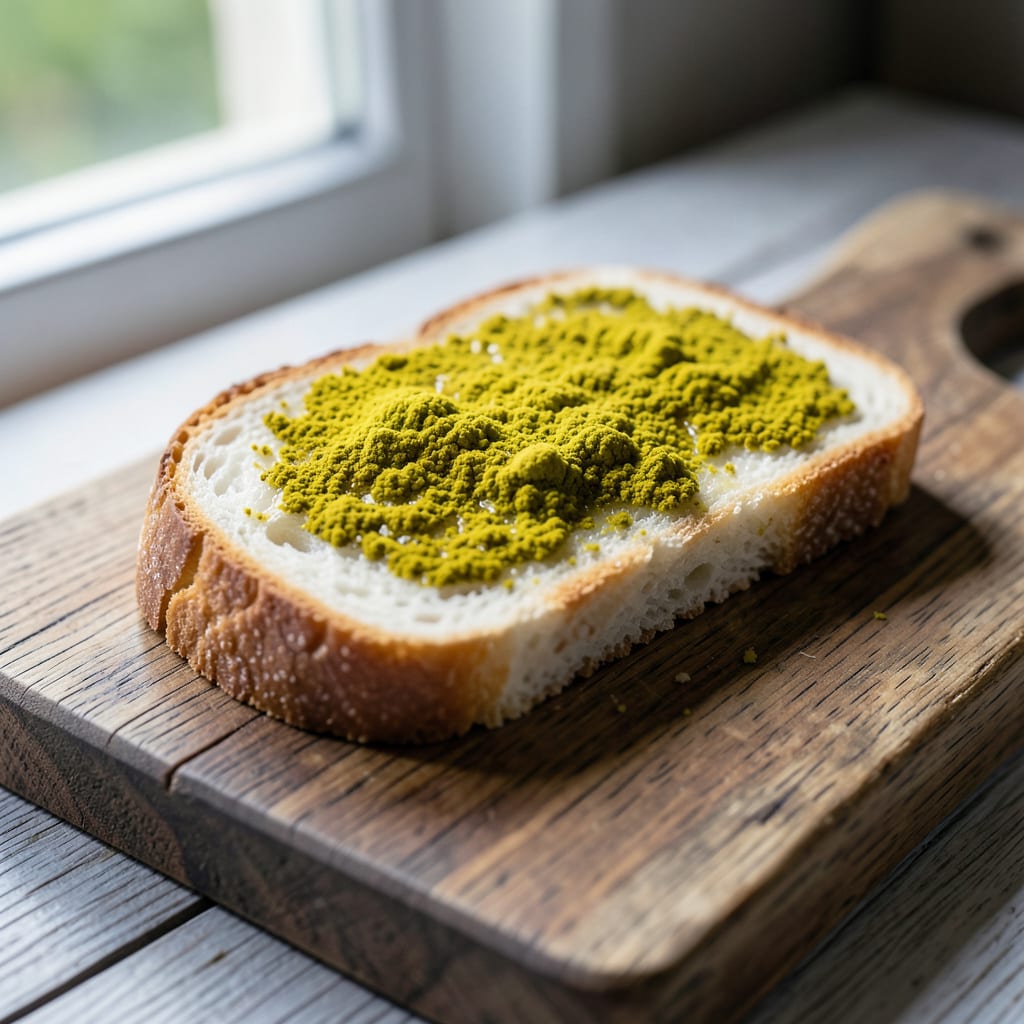
That yellow fuzz on your plants isn’t just ugly—it’s a warning sign. I’ve seen gardens go from thriving to struggling overnight because of this issue, and the longer it sits, the harder it is to fix.
Most gardeners don’t realize it spreads fast in damp, poorly ventilated spaces. It thrives on decaying leaves, overwatered soil, and crowded plants. Left unchecked, it can weaken your garden and even pose health risks if disturbed.
Good news: early action stops it in its tracks. Remove affected areas immediately, improve airflow, and adjust your watering routine. A little prevention keeps your plants safe and strong all season.
Works for flower beds, veggie patches, and container gardens. Here’s how to handle it properly.
Yellow mold, often found in damp or poorly ventilated areas, thrives due to specific environmental and biological factors. Understanding these causes can help you prevent its growth and protect your health. Below are the primary reasons why yellow mold appears.
Mold, including yellow varieties like Aspergillus or Serpula lacrymans, requires moisture to grow. Leaky pipes, high humidity (above 60%), or water damage create ideal conditions. Porous materials like wood, drywall, or fabric absorb moisture, providing a perfect breeding ground. Action: Fix leaks promptly and use dehumidifiers in prone areas.
Stagnant air traps humidity and prevents surfaces from drying. Bathrooms, basements, and kitchens—spaces with limited airflow—are hotspots. Without proper ventilation, spores settle and colonize. Action: Install exhaust fans or open windows to improve circulation.
Yellow mold feeds on organic matter like wood, paper, or food residues. Dust, dirt, or grease on surfaces can also sustain growth. In homes, improperly stored food (e.g., bread, cheese) or decaying plant material may harbor spores. Action: Clean surfaces regularly and store food in airtight containers.
While mold can grow in cold conditions, temperatures between 77–86°F (25–30°C) accelerate its spread. Heating systems or poor insulation can create warm pockets where yellow mold flourishes. Action: Maintain consistent temperatures and insulate prone areas.
Mold thrives in low-light environments, as UV light inhibits its growth. Closets, under sinks, or behind furniture are common hideouts. Action: Use UV lamps in storage areas or increase natural light exposure where possible.
Dealing with yellow mold requires immediate action to protect your health and home. Here’s how to tackle it based on common causes:
Yellow mold thrives in damp areas. Fix: Use a dehumidifier to keep humidity below 50%. Wipe down wet surfaces in bathrooms and kitchens daily. For existing mold, scrub with a mix of 1 part bleach to 10 parts water (wear gloves and a mask).
Leaky pipes or roofs create perfect mold breeding grounds. Fix: Locate and repair leaks promptly. Dry the affected area within 24–48 hours to prevent growth. For porous materials like drywall, removal may be necessary if mold has deeply penetrated.
Stagnant air traps moisture, encouraging mold. Fix: Install exhaust fans in bathrooms and kitchens. Open windows regularly to improve airflow. Consider an air purifier with a HEPA filter to capture mold spores.
Dust, dirt, or food particles can feed mold. Fix: Clean and vacuum frequently, especially in hidden corners. Use mold-resistant products like bathroom caulk or paint in prone areas.
Prevention Tips:
Yes, yellow mold releases spores that travel through air and land on new surfaces. It spreads fastest in damp, dark spaces with poor airflow. Act quickly to contain it before it takes hold elsewhere.
Avoid touching or inhaling any mold you find. Some yellow molds, like Aspergillus, can produce harmful mycotoxins. When in doubt, treat all mold as potentially hazardous and remove it safely.
Wear gloves, a mask, and goggles. Use a 1:10 bleach-to-water solution on non-porous surfaces. For porous materials like drywall, removal is often the only safe option.
It can if the moisture problem isn’t fixed. After cleaning, address leaks, improve ventilation, and keep humidity below 50% to prevent regrowth.
