
Beautiful Plants For Your Interior
Beautiful Plants For Your Interior
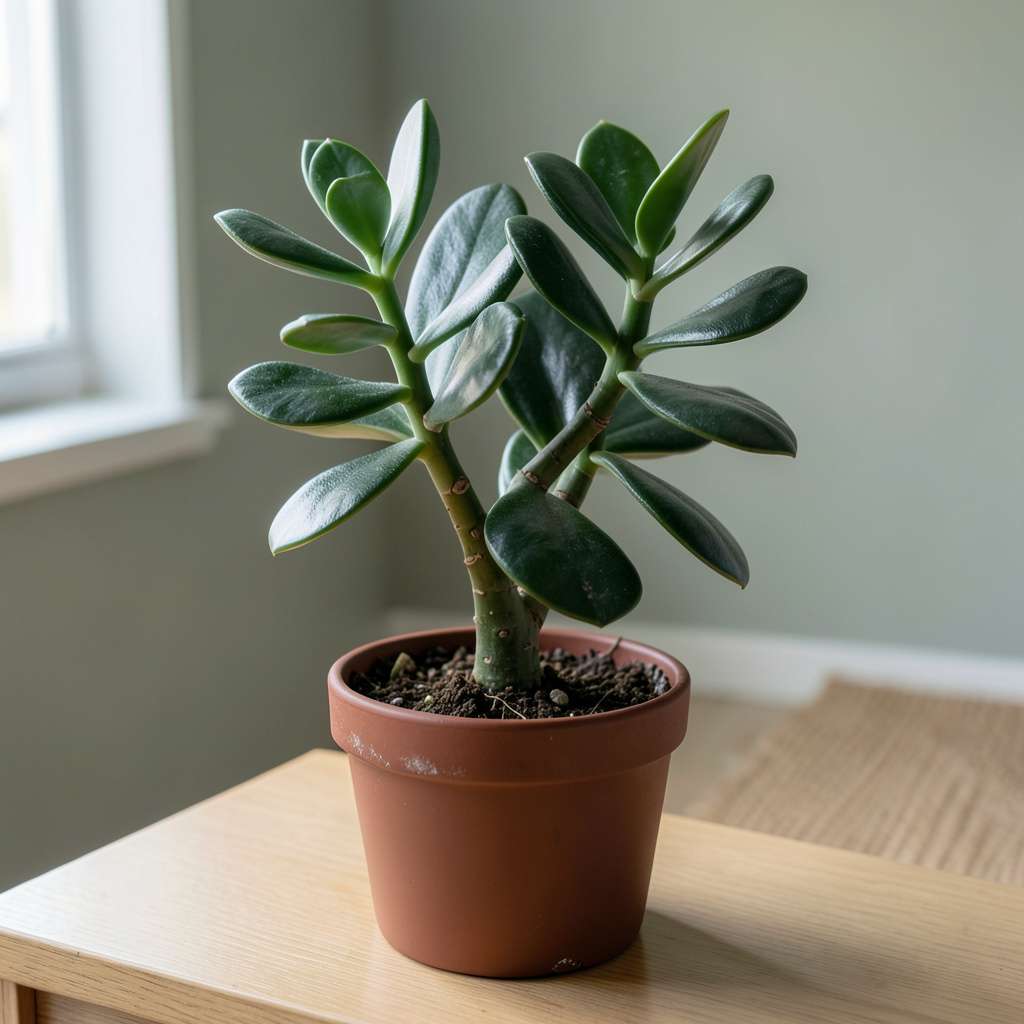
Yes, the ZZ plant is toxic due to calcium oxalate crystals that cause skin irritation, mouth swelling, and digestive upset if ingested. Keep it away from pets and children, as symptoms can include vomiting, drooling, or difficulty swallowing.
I’ve seen firsthand how this hardy houseplant’s toxicity catches people off guard. The calcium oxalate crystals act like microscopic needles, piercing tissues on contact—explaining why even small exposures can trigger such intense reactions. 🌱 What’s particularly concerning is how quickly symptoms appear: within minutes of chewing or touching the sap, you might notice burning sensations or redness. This makes it especially risky for curious pets and toddlers who explore with their mouths.
From my experience, the plant’s resilience works against it here. Because ZZ plants thrive on neglect, they often end up in high-traffic areas where accidental contact is more likely. I always recommend placing them in elevated spots or rooms with limited access—better safe than sorry when dealing with these sharp, invisible irritants.
💡 In This Article
The ZZ plant’s toxicity stems from calcium oxalate crystals—microscopic, needle-shaped structures called raphides that pack a painful punch. These crystals are stored in specialized cells called idioblasts throughout the plant.
When tissues are damaged (by chewing, cutting, or even rough handling), the crystals shoot out like tiny darts, physically piercing cells and triggering an immediate inflammatory response. The body reacts as if under attack, releasing histamine that causes swelling, redness, and that characteristic burning sensation.
What makes these crystals particularly nasty is their solubility in water. When they contact moist tissues (like mouths, throats, or eyes), they partially dissolve, releasing oxalic acid that further irritates the area. The concentration is highest in the sap and leaf tissues, where crystal bundles can reach up to 5-10% of the plant’s dry weight.
That’s why even small exposures—like a cat taking a single bite or a child touching the sap then rubbing their eyes—can cause noticeable reactions within 2-5 minutes. 🔥
Pets face greater risks than adults because of their smaller body size and lack of self-control. A 10-pound cat ingesting the same amount of plant material as a 150-pound human experiences a 15x higher toxin concentration per pound of body weight. Their curious nature also means they’re more likely to chew thoroughly, releasing more crystals.
Dogs and cats can’t rinse their mouths or spit out irritants, so the crystals continue causing damage longer. I’ve seen cases where a single exploratory bite led to 24 hours of drooling and pawing at the mouth—miserable for the pet and worrying for the owner.
The plant’s anatomy makes some parts more dangerous than others. The stems contain the highest crystal concentration (up to 3x more than leaves) because they serve as the plant’s water storage system. The sap is particularly potent—just 0.1 milliliters (about two drops) on skin can cause redness and itching.
Even the root system contains toxins, which is why repotting without gloves can lead to skin irritation. What surprises most people is that dried or wilted leaves remain toxic—the crystals don’t degrade when the plant does.
Human adults typically experience milder symptoms because we can limit exposure (spitting out plant material, rinsing mouths) and our larger size dilutes the toxin’s effects. But don’t be fooled—severe cases can still occur. I treated a gardener who developed blisters on her hands after pruning multiple ZZ plants without gloves.
The repeated exposure caused cumulative irritation. Children under 5 years old are especially vulnerable because their skin is thinner and their immune systems more reactive. A toddler who puts a leaf in their mouth might experience throat swelling severe enough to interfere with breathing in rare cases. ✨
The biological purpose of these crystals is actually defense against herbivores. In their native East African habitats, the toxins deter animals from eating the plants. This evolutionary adaptation explains why the crystals are so effective—they’re designed to cause pain and discourage further consumption.
The plant essentially weaponizes chemistry to protect itself, which unfortunately makes it hazardous in our homes where curious pets and children don’t understand the danger.
Here’s what’s happening at the cellular level: When crystals pierce mouth or throat tissues, they create microscopic wounds. The body responds by increasing blood flow to the area (causing redness) and sending white blood cells to fight what it perceives as an infection (creating swelling).
The oxalic acid then lowers the pH of the damaged tissues, which activates pain receptors. This one-two punch of physical trauma and chemical irritation explains why the pain feels so intense and immediate. 💫
Interestingly, the plant’s toxicity varies slightly by variety. The standard Zamioculcas zamiifolia contains the highest crystal concentrations, while newer cultivars like ‘Raven’ (with its dramatic black leaves) or ‘Zamicro’ (the dwarf variety) have been bred to be slightly less toxic—though they’re still not safe.
The difference comes down to how densely packed the idioblast cells are in each variety. Even the “safer” varieties can cause reactions, so they all require the same cautious handling.
The takeaway? This plant’s toxicity isn’t just chemical—it’s mechanical and biological. The crystals physically damage tissues while the plant’s chemistry amplifies the irritation. That’s why symptoms can feel so dramatic even with small exposures.
Understanding this mechanism helps explain why some people react more strongly than others (thinner skin, more sensitive tissues) and why certain body parts (like the sensitive tissues in mouths and eyes) show more severe reactions than others. 🌟
Immediate symptoms include drooling, pawing at the mouth, and vomiting. The calcium oxalate crystals cause intense burning in the mouth and throat, which may lead to swelling. Contact your vet immediately if ingestion occurs—never wait for symptoms to worsen.
Mild skin irritation typically resolves within 2-4 hours with proper rinsing. Oral exposure symptoms (like mouth swelling or stomach upset) may persist for 12-24 hours. Severe reactions require medical attention, especially for pets or small children.
Yes, but take extreme precautions. Place it in hanging planters or rooms with closed doors. Use pet deterrents like double-sided tape around the base. Always supervise interactions and train pets to avoid the area.
Wash immediately with cool water and mild soap for at least 20 seconds. Apply hydrocortisone cream to reduce redness or itching. Avoid hot water, as it can open pores and worsen irritation.
Consider Haworthias (zebra plants) for a similar architectural look, or Spider plants for trailing greenery. Both are pet-safe and thrive in similar low-light conditions.
