
Beautiful Plants For Your Interior
Beautiful Plants For Your Interior
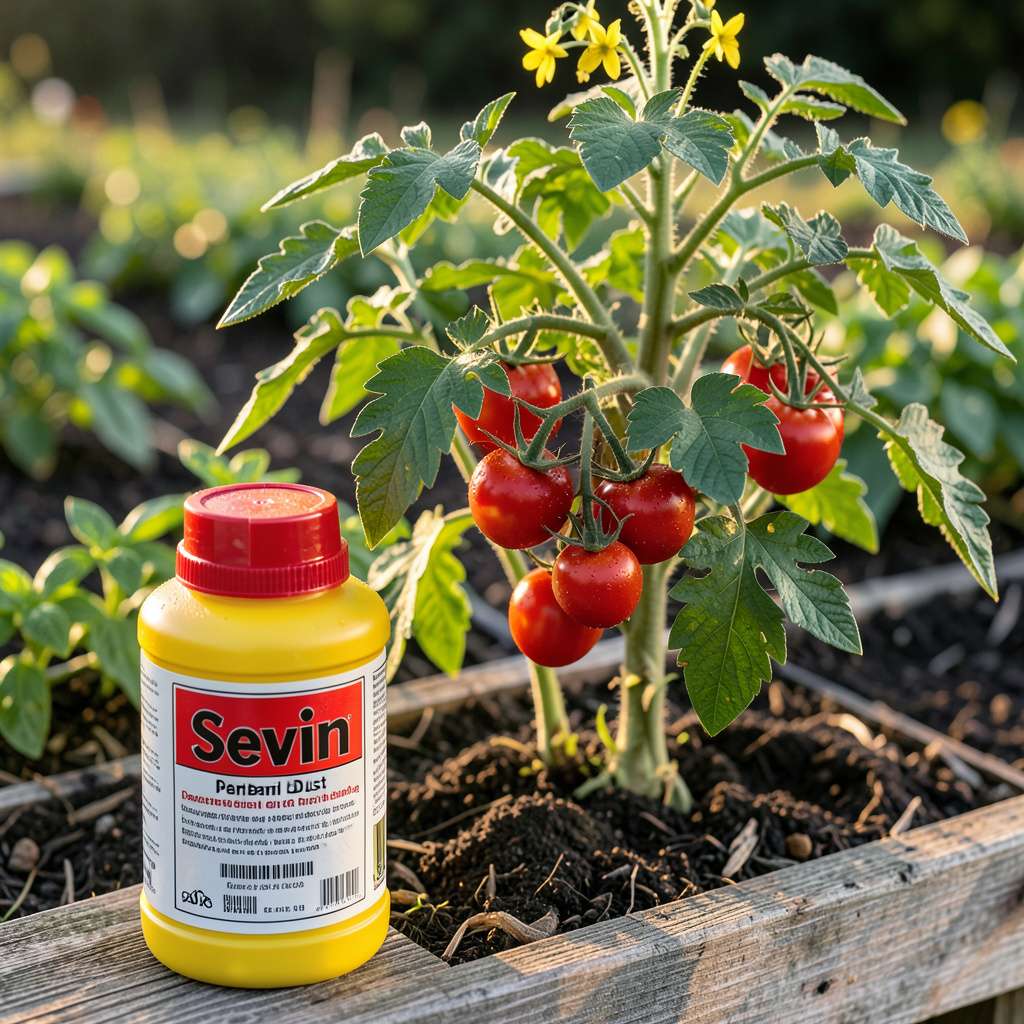
Sevin Dust can be used in vegetable gardens when applied strictly according to EPA-approved label instructions, but it contains carbaryl—a broad-spectrum insecticide toxic to bees and some beneficial insects. Always follow pre-harvest intervals (1-14 days, depending on the crop) to minimize residue risks.
I’ve worked with many gardeners who reach for this product when pests get out of control, but here’s what often gets overlooked: the timing of application makes all the difference. 🌱 Applying in the evening when bees are less active helps reduce exposure, and rotating with non-chemical methods prevents resistance buildup. What’s tricky is that carbaryl doesn’t discriminate—it’ll take out ladybugs and lacewings just as effectively as it handles cabbage worms. That’s why I always recommend weighing the immediate pest control benefits against the long-term ecosystem impact in your garden.
💡 In This Article
At its core, Sevin Dust contains carbaryl, a neurotoxic compound that attacks insects’ nervous systems by inhibiting acetylcholinesterase—an enzyme critical for nerve function. When pests like Japanese beetles or tomato hornworms come into contact with treated plants, the carbaryl particles stick to their bodies. Within hours, they experience muscle tremors, paralysis, and eventually death.
This contact action makes it effective against chewing insects, but here’s the catch: it doesn’t discriminate between pests and beneficial insects like bees or ladybugs.
The EPA classifies carbaryl as a Toxicity Category I chemical for eye irritation and Category II for oral toxicity, meaning it’s highly irritating and moderately toxic if ingested. In soil, carbaryl breaks down relatively quickly—its half-life ranges from 7-28 days depending on temperature, moisture, and microbial activity.
Warmer, wetter conditions speed up degradation, while dry, compacted soil can prolong its presence. What many gardeners don’t realize is that residue levels on leafy vegetables can remain detectable for 10-14 days post-application, even when following label rates.
Here’s where the real risk comes into play: bees and other pollinators are extremely sensitive to carbaryl. Studies show exposure to even 1/10,000th of a gram can disorient honeybees, impairing their ability to navigate back to the hive. The dust formulation is particularly problematic because it can drift onto nearby flowers during application.
Evening applications reduce bee exposure, but residue on blooming plants remains hazardous for 24-48 hours. Unlike systemic insecticides that plants absorb, carbaryl stays on surfaces—meaning it’s more likely to transfer to pollinators visiting treated plants.
What’s often overlooked is how carbaryl affects the broader garden ecosystem. It doesn’t just kill pests—it disrupts the food chain by eliminating predator insects that naturally control pest populations. I’ve seen gardens where repeated Sevin Dust use led to secondary pest outbreaks because beneficial insects like parasitic wasps and ground beetles were wiped out.
The product’s label warns against using it on plants in bloom precisely because of these pollinator risks, yet many gardeners apply it to flowering vegetables like squash or cucumbers without realizing the consequences.
The pre-harvest intervals exist for good reason: carbaryl residues decline through a combination of sunlight breakdown (photodegradation), microbial action, and rainfall wash-off. For example, tomatoes require a 3-day interval while leafy greens need 14 days—this isn’t arbitrary bureaucracy but reflects how long detectable residues persist on different plant surfaces.
Root crops like carrots present less risk because the chemical doesn’t translocate into the edible portion, but foliar vegetables absorb more through their waxy cuticles.
One critical factor is application method. Dust formulations are more prone to drift than liquid sprays, which is why I recommend using a duster with a targeted nozzle rather than broadcasting. Even then, carbaryl particles can become airborne and settle on unintended plants.
The EPA’s worker protection standards require 12-hour re-entry intervals for treated areas—meaning you shouldn’t handle those plants without protective gear during that period. This underscores why many organic certification programs prohibit carbaryl entirely, despite its EPA registration for conventional use.
Pre-harvest intervals vary by crop—tomatoes need 3 days, while leafy greens require 14 days. Always check the label for specifics.
These waiting periods ensure residues break down to safe levels. Never harvest early, as residue risks increase with shorter intervals.
Applying during bloom periods harms pollinators like bees. The dust remains toxic to them for 24-48 hours post-application.
Even evening applications aren’t foolproof—residue on flowers stays hazardous. Avoid treating squash, cucumbers, or melons when they bloom.
Neem oil and pyrethrin sprays offer comparable control for many pests. Kaolin clay creates physical barriers without chemical risks.
These break down faster (1-7 days) and have shorter harvest intervals. They require more frequent application but protect beneficial insects.
Never combine with other pesticides or fertilizers unless the label explicitly permits it. Chemical reactions can reduce effectiveness.
Test small areas first if unsure. Some oil-based products may increase plant sensitivity to carbaryl’s active ingredients.
Apply only at dusk when bees are less active. Remove or cover hives if within 100 feet of treatment area.
Consider non-chemical alternatives if hives are nearby. Even proper application poses risks to foraging bees the following day.
