
Beautiful Plants For Your Interior
Beautiful Plants For Your Interior
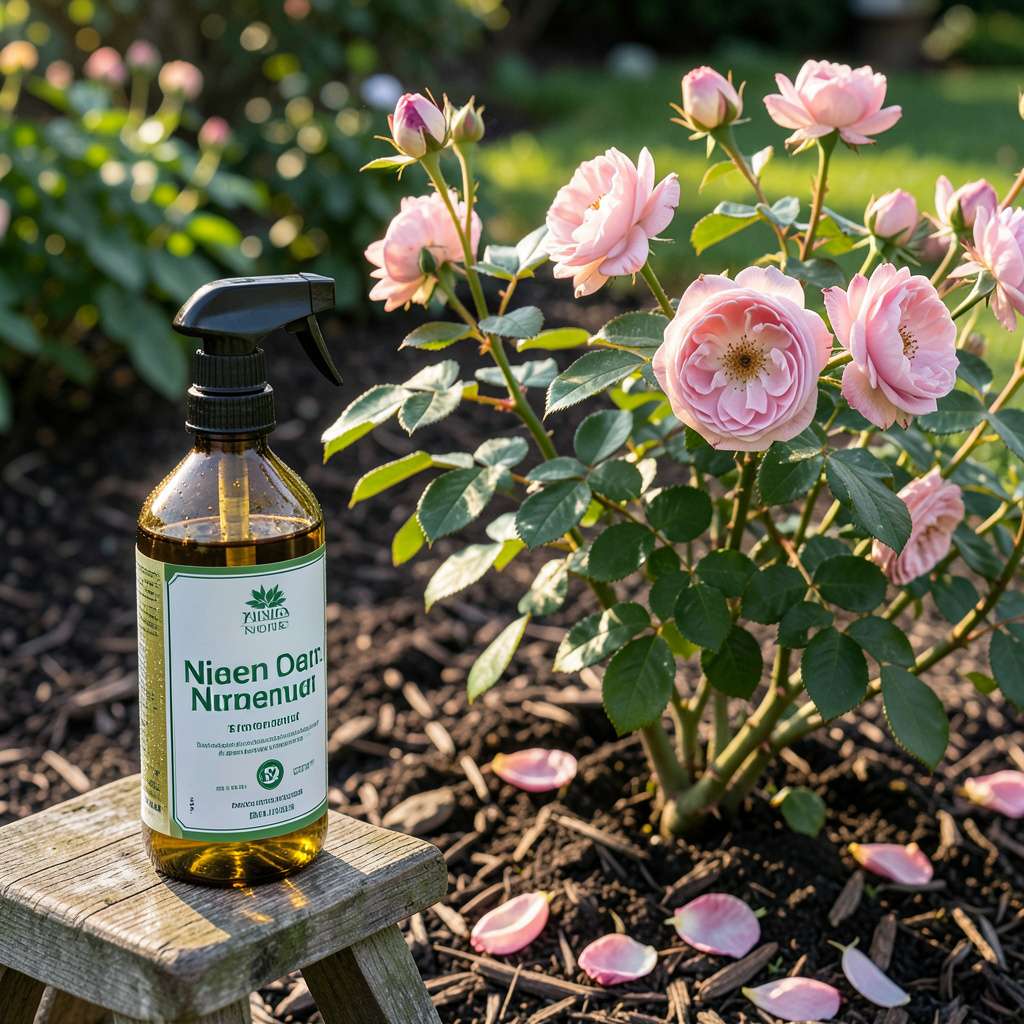
Neem oil is effective against powdery mildew due to its natural antifungal properties, acting as both a preventive and treatment when applied properly.
What makes neem oil particularly valuable in gardening is its ability to disrupt the growth cycle of fungi. 🌱 The active component, azadirachtin, interferes with fungal cell membranes, ultimately preventing spore germination. Additionally, its dual role as both a treatment and preventive measure means I can use it proactively to safeguard my plants from future outbreaks.
I’ve found that applying neem oil early in the morning or late in the evening maximizes its effectiveness while minimizing potential harm to beneficial insects. 🌼 Mixing it correctly and ensuring thorough coverage are also key steps to achieving the best results in managing powdery mildew.
💡 In This Article
The effectiveness of neem oil against powdery mildew can be attributed to its active ingredient, azadirachtin. This compound disrupts the integrity of fungal cell membranes, preventing the fungi from thriving. By inhibiting spore germination, azadirachtin not only treats existing infections but also serves as a preventive measure. 🌱
When applied, neem oil creates a barrier that deters fungal growth. Its antifungal properties are particularly beneficial during warm, humid conditions, which are ideal for powdery mildew. The oil works by reducing the viability of the spores, essentially stopping the disease in its tracks before it can spread to other parts of the plant. 🌼
For optimal results, applying neem oil early in the morning or late in the evening is recommended. This timing helps avoid exposure to direct sunlight, which can degrade the oil’s effectiveness. Additionally, thorough coverage on all plant surfaces is crucial to ensure that the oil reaches the fungal spores hiding in crevices. 🌿
Another advantage of using neem oil is its low toxicity to beneficial insects like bees and ladybugs when used correctly. This makes it a preferred choice for organic gardeners who want to maintain a healthy ecosystem in their gardens. However, caution should still be exercised to avoid harming these beneficials during application. 🌟
In practice, a mixture of about 2 tablespoons of neem oil per 1 gallon of water can be effective for treating powdery mildew. Adding a few drops of dish soap can help emulsify the oil and improve adhesion to plant surfaces. Regular applications every 7-14 days during peak growth seasons can enhance its preventive capabilities.
⚡
It’s also important to monitor your plants after treatment. If symptoms persist, adjusting the concentration or frequency of application might be necessary. Observing how your plants respond can provide insights into the best practices for your specific garden conditions. 🔍
