
Beautiful Plants For Your Interior
Beautiful Plants For Your Interior
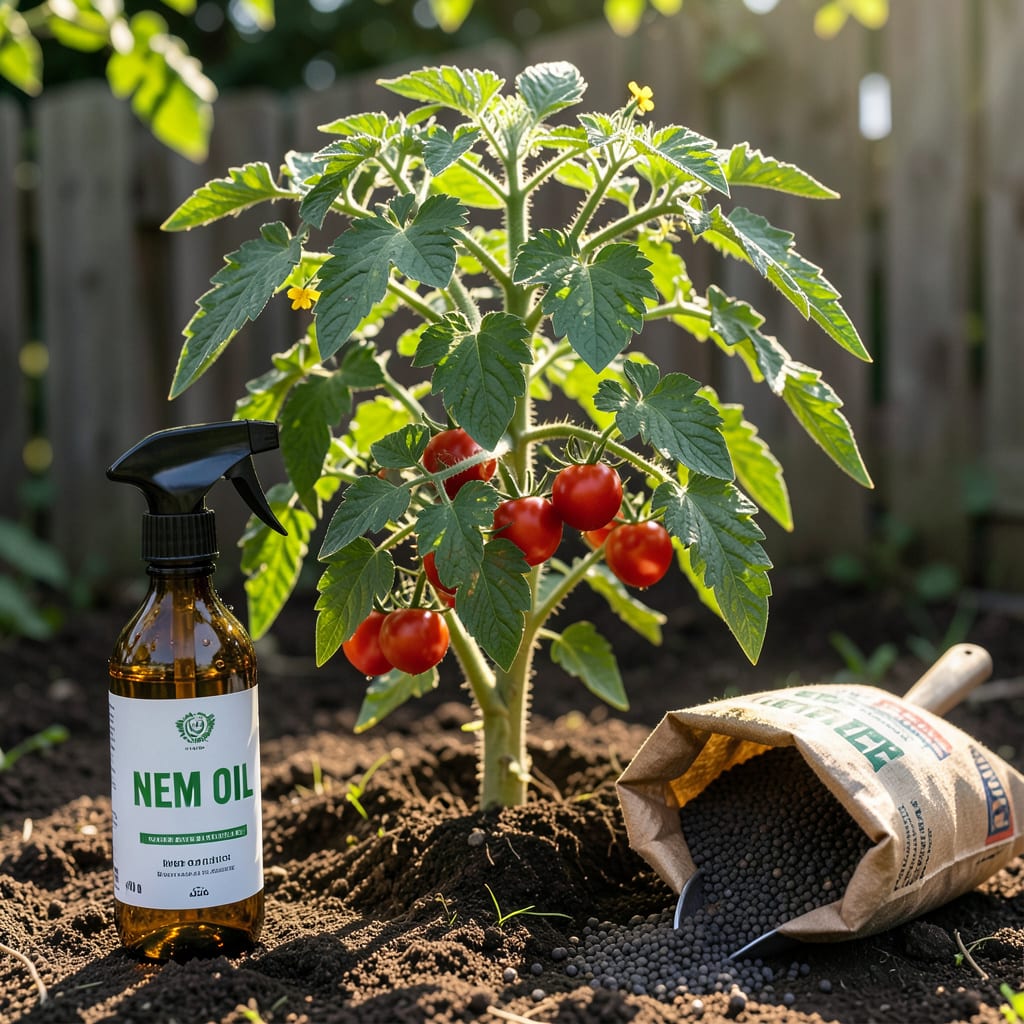
Neem oil is not a fertilizer—it lacks significant nitrogen, phosphorus, or potassium. However, it supports plant health by controlling pests and fungal diseases, indirectly improving growth conditions.
Think of neem oil as your garden’s protective shield rather than its multivitamin. 🌱 While it won’t feed plants with essential nutrients like traditional fertilizers, its active compounds (like azadirachtin) disrupt pest life cycles and prevent fungal infections. This means your plants can focus their energy on growth instead of fighting off attackers. I’ve seen stressed plants bounce back remarkably after neem treatments, though they still need proper fertilization for long-term vitality.
💡 In This Article
Fertilizers work by delivering essential macronutrients—nitrogen (N), phosphorus (P), and potassium (K)—in measurable ratios. For example, a balanced 10-10-10 fertilizer contains 10% of each nutrient by weight. Neem oil, however, contains less than 1% nitrogen and negligible amounts of P and K.
Its primary components are triglycerides (fatty acids) and azadirachtin, a compound that disrupts insect hormones but provides zero nutritional value to plants. 🌱
What sets fertilizers apart is their ability to directly fuel plant metabolism. A 5-3-3 organic fertilizer, for instance, might contain feather meal for nitrogen, bone meal for phosphorus, and kelp for potassium—each ingredient carefully selected for its nutrient density.
Neem oil’s composition is fundamentally different: it’s 90% fatty acids (like oleic and linoleic acid) and 0.2-0.8% azadirachtin, with no meaningful micronutrients like iron or zinc that plants crave. Think of it like comparing olive oil to a vitamin pill—one fuels your body, the other doesn’t.
The confusion often stems from neem oil’s indirect benefits. When you spray it on leaves, the azadirachtin repels aphids, whiteflies, and fungal spores, reducing stress on the plant. Less stress means the plant can allocate more energy to growth—but this is akin to removing weeds so your tomatoes get more sunlight.
The neem isn’t feeding the plant; it’s removing obstacles. 🛡️ Studies show that plants treated with neem oil may grow 15-20% taller than untreated plants only when combined with proper fertilization.
Here’s the kicker: neem oil can even inhibit nutrient uptake if overused. Its fatty acids may coat root hairs or leaf stomata, creating a temporary barrier that blocks water and mineral absorption.
This is why most organic gardening guides recommend using neem oil no more than once every 2 weeks—and always in the evening to avoid leaf burn from sun exposure. The oil’s role is purely defensive, like a garden fence, while fertilizers are the grocery delivery service for your plants.
For perspective, compare neem oil to fish emulsion, a true organic fertilizer. Fish emulsion contains 5% nitrogen, 1% phosphorus, and trace minerals, plus amino acids that stimulate microbial activity in the soil. Neem oil? It’s 0.5% nitrogen max, with no proven soil-enhancing properties.
The only overlap is that both are derived from natural sources—but that’s like calling a bandage and a steak both “beef products” because they come from cows. ✨
Where neem oil does shine is in its ability to preserve the nutrients your plants already have. By controlling powdery mildew or spider mites, it prevents leaves from yellowing and dropping prematurely. A healthy leaf canopy means more photosynthesis, which means more energy for root and fruit development.
But if your soil is depleted, neem oil won’t magically replenish it—just like how disinfecting a kitchen won’t stock your fridge. The two serve entirely different purposes in the garden ecosystem.
Neem oil contains less than 1% nitrogen and negligible phosphorus or potassium. Its main components are fatty acids (90%) and azadirachtin (0.2-0.8%), which repel pests but don’t feed plants. Think of it as a protective barrier, not a meal.
Yes, but timing matters! Apply fertilizer first, then wait 24-48 hours before using neem oil. This prevents the oil’s fatty acids from blocking nutrient absorption. I’ve seen best results with fish emulsion followed by neem spray for tomatoes and peppers.
For prevention, spray every 7-10 days or after rain. For active infestations, apply every 3-5 days until pests are gone. Always use in early morning/evening and never in temperatures above 90°F to avoid leaf burn. Consistency beats heavy doses!
When used correctly (evening applications, avoiding flowers), neem oil is bee-friendly. It only affects insects that chew leaves or suck sap. The OMRI listing confirms its organic safety, but always spray when pollinators are less active for extra caution.
Unopened neem oil lasts 1-2 years in a cool, dark place. Once opened, use within 6-12 months for maximum potency. Store in its original airtight container—if it thickens or smells rancid, it’s time to replace it.
