
Beautiful Plants For Your Interior
Beautiful Plants For Your Interior
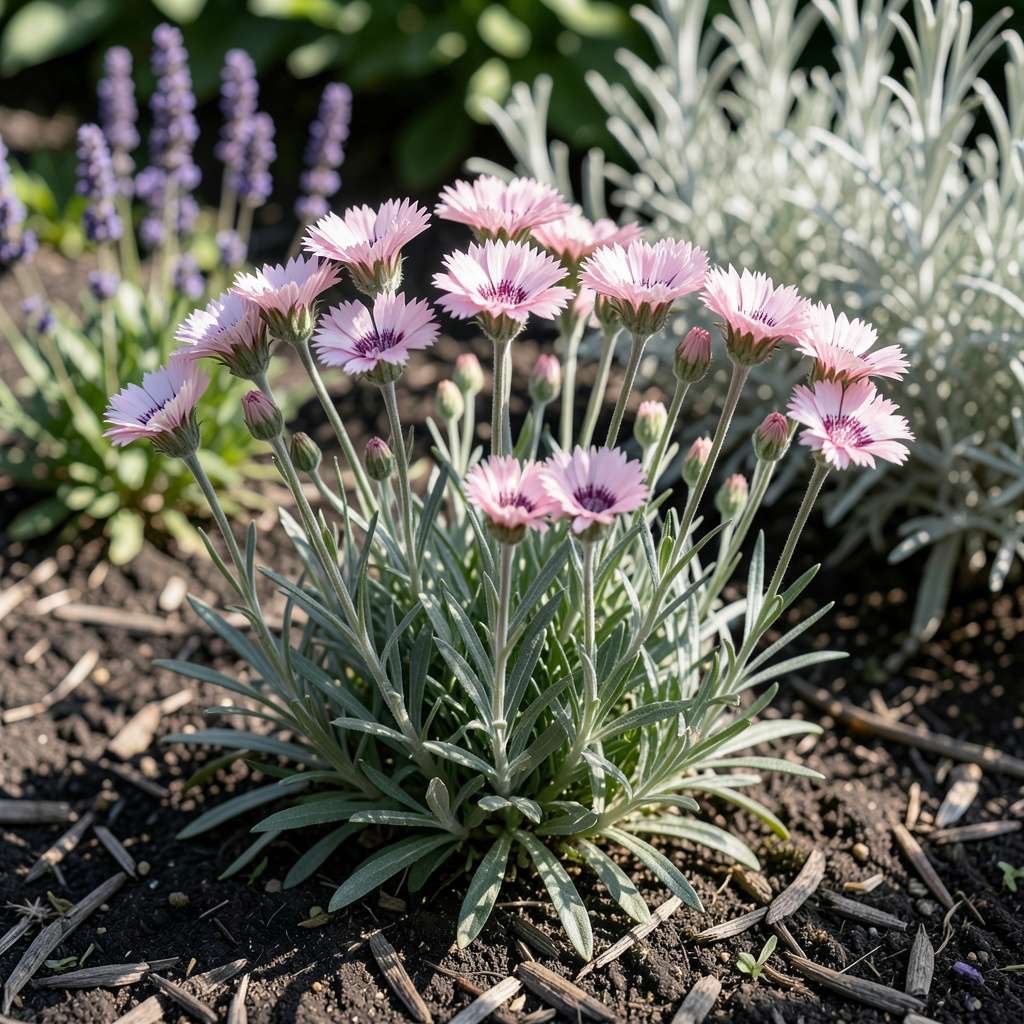
Dianthus is considered moderately deer-resistant due to its fragrant foliage and slightly bitter taste, though hungry deer may still nibble on young plants during food shortages. Planting in clusters can enhance protection.
I’ve found that dianthus holds up better than many ornamentals because deer naturally avoid its clove-like scent and fuzzy leaves. 🌿 This resistance isn’t absolute though—during harsh winters or droughts when food is scarce, even typically avoided plants can become targets. What makes dianthus particularly garden-worthy is its dual benefit: the same fragrance that deters deer also attracts pollinators like butterflies and bees.
From my experience, mature dianthus plants fare much better than fresh transplants. The key is establishing them well before deer pressure peaks in your area. I always recommend pairing them with other strongly scented herbs like lavender or thyme to create a multi-layered defense system that’s both beautiful and functional.
💡 In This Article
The secret lies in dianthus’s chemical defense system. These plants produce aromatic compounds like eugenol (also found in cloves) and coumarin, which give them that distinctive spicy fragrance we love but deer find unappealing.
Research shows these volatile organic compounds can be detected by deer from several feet away, triggering their natural avoidance of potentially toxic plants. The concentration is highest in the foliage, making the leaves particularly unpalatable.
Texture plays a surprising role too. Dianthus leaves have fine, hair-like structures called trichomes that create a fuzzy surface. When deer take a test nibble, these microscopic hairs irritate their mouths—similar to how eating pineapple can make your tongue tingle.
🌱 Varieties like Sweet William (Dianthus barbatus) have denser trichomes than carnations, giving them slightly better resistance. The flowers contain mild saponins that, while not toxic to deer, create an unpleasant bitter aftertaste.
What’s fascinating is how dianthus’s resistance varies by variety and growing conditions. Cottage pinks (Dianthus plumarius) often perform best, with resistance ratings around 7/10 from horticultural studies. Carnations (Dianthus caryophyllus) score lower at 5/10 because their larger flowers contain more nectar that can attract deer.
Stress factors matter too—drought-stressed plants produce fewer aromatic compounds, making them more vulnerable. I’ve noticed well-watered dianthus in partial shade maintains stronger deer resistance throughout the season.
The seasonal timing of deer pressure reveals why some gardeners see mixed results. In early spring when tender new growth emerges, deer may sample young dianthus shoots before the plant’s full aromatic defenses develop. 🌿 During winter food shortages, deer become less selective and may overcome their aversion.
This is why mature plants (2+ years old) show better resistance—they’ve had time to accumulate higher concentrations of defensive compounds in their tissues.
Comparative studies show dianthus performs similarly to other moderately resistant plants like:
The plant’s growth habit also contributes to its defensive strategy.
Dianthus forms dense, low-growing mats that make it difficult for deer to take large bites. The silvery-blue foliage of many varieties reflects light in ways that may appear unappetizing to deer. When planted in clusters of 5+ plants, they create a combined scent barrier that’s more effective than single specimens.
This is why landscape designers often use dianthus as border plants—they form a fragrant, textural barrier that deer prefer to avoid.
No plant is 100% deer-proof, including dianthus. While its fragrance and texture deter most deer, hungry animals during food shortages may still sample it. For best results, combine dianthus with other deer-resistant plants and use physical barriers for young specimens.
Cottage pinks (Dianthus plumarius) and Sweet William (Dianthus barbatus) show the best resistance due to their dense trichomes and strong fragrance. Carnations are slightly more vulnerable because their larger flowers attract deer. Always choose varieties with silvery-blue foliage for maximum deterrence.
Young plants in early spring and established plants during late winter food shortages face the highest risk. Deer are less selective when natural food sources are scarce. Mature plants (2+ years old) develop stronger defenses, so protect new plantings with temporary fencing or repellent sprays.
Yes, but choose products carefully. Putrescent egg-based or capsaicin sprays work well when applied in the evening. Always test on a few leaves first and avoid oil-based repellents that might clog the plant’s pores. Reapply every 4-6 weeks or after heavy rain for consistent protection.
Pair dianthus with strongly scented herbs like rosemary, lavender, or Russian sage. These create a multi-layered scent barrier. For groundcover combinations, try mixing with nepeta or salvia to form an effective living fence that deer prefer to avoid.
