
Beautiful Plants For Your Interior
Beautiful Plants For Your Interior
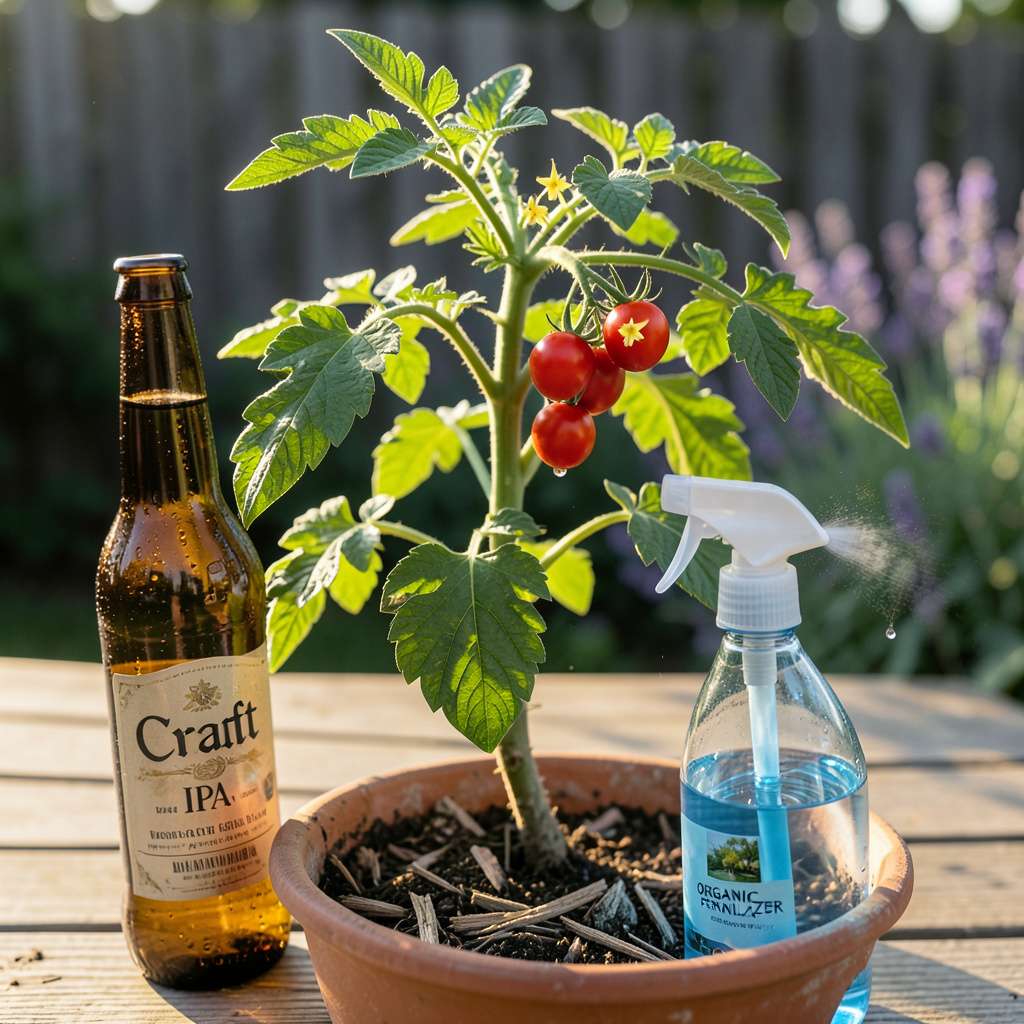
Beer can benefit plants in small amounts due to its yeast, sugars, and trace nutrients that may stimulate microbial activity. However, alcohol content and overuse can harm roots and soil balance, making dilution and moderation essential.
I’ve experimented with beer as a soil amendment in my own garden, and the key is understanding its dual nature. The yeast and B vitamins act like a mild probiotic for soil microbes, while sugars provide quick energy for beneficial fungi. 🌱 But here’s the catch: undiluted beer creates alcohol concentrations that can burn tender roots and disrupt the delicate pH balance your plants rely on. My rule of thumb is to treat it like compost tea—valuable in moderation, but never a primary fertilizer.
💡 In This Article
The magic—or danger—of beer in gardening lies in its complex chemistry. A standard 12-ounce beer contains 10-15 grams of carbohydrates (mostly maltose), 0.5-1 gram of protein from yeast, and trace minerals like magnesium and potassium. When diluted properly (we’ll get to ratios later), these components feed soil microbes in ways commercial fertilizers can’t.
The yeast acts as a probiotic, while sugars become instant energy for beneficial fungi like mycorrhizae. 🔥
Here’s what’s actually happening underground: The yeast in beer contains B vitamins (especially B1, B2, and B6) that stimulate microbial reproduction. Studies from Oregon State University show these vitamins can increase microbial biomass by 20-30% in just 72 hours when applied correctly. The sugars, meanwhile, feed bacteria that break down organic matter into plant-available nutrients.
This is why some gardeners report faster composting when adding small amounts of flat beer to their piles.
But there’s a dark side to this brew. The alcohol content (typically 4-6% ABV in regular beer) becomes toxic to plant roots at concentrations above 1%. Root tips exposed to undiluted beer show cellular damage within 24 hours, according to research from the University of Vermont.
The alcohol disrupts osmosis, causing roots to either dry out or rot from poor water uptake. I’ve seen this firsthand with wilting basil plants that perked right up after I flushed the soil with clean water.
pH levels create another balancing act. Most beers have a pH of 4.0-4.5, which is more acidic than ideal soil pH (6.0-7.0 for most plants). Regular applications can lower soil pH by 0.5-1.0 points over a growing season—great for blueberries but disastrous for tomatoes.
The carbonation also matters: fresh beer releases CO₂ that can temporarily displace oxygen in soil pores, potentially suffocating roots if overapplied.
What most gardeners don’t realize is that beer’s benefits come primarily from its non-alcoholic components. The yeast and B vitamins persist even after alcohol evaporates (which happens within 48-72 hours in well-drained soil). This is why flat beer works better than fresh—you get the nutrients without the alcohol shock.
I’ve had best results using the dregs from homebrewing, which contain concentrated yeast nutrients but minimal alcohol.
Different plant types respond dramatically differently. Leafy greens like lettuce and spinach show 15-20% faster growth with properly diluted beer applications, likely due to their preference for slightly acidic conditions. Meanwhile, alcohol-sensitive plants like peppers and eggplants often develop leaf curl or purple stems when exposed to even diluted beer.
The key factor is always the root zone concentration—what reaches the roots after soil filtration matters more than what you pour on top.
Beer contains yeast, B vitamins, and sugars that can stimulate soil microbes and provide quick energy for beneficial fungi. The yeast acts like a probiotic, while sugars feed bacteria that break down organic matter into plant-available nutrients.
Limit applications to once every 2 weeks during the growing season. Always dilute beer at a 1:10 ratio with water to prevent alcohol damage. Overuse can lead to root burn and pH imbalance, so moderation is key.
Leafy greens like lettuce and spinach show 15-20% faster growth with diluted beer. Acid-loving plants such as blueberries and azaleas also benefit. Avoid using beer on seedlings or drought-stressed plants, as they’re more vulnerable to alcohol stress.
Flat beer works best because the carbonation has dissipated, reducing the risk of suffocating roots. Stale beer from the fridge is ideal—just ensure it hasn’t grown mold. Avoid using fresh, highly carbonated beer, as it can disrupt soil oxygen levels.
Watch for yellowing leaves, stunted growth, or a sour smell from the soil. If you notice these signs, flush the area with clean water immediately and pause beer applications for at least 4 weeks. Always test on a small area first.
