
Beautiful Plants For Your Interior
Beautiful Plants For Your Interior
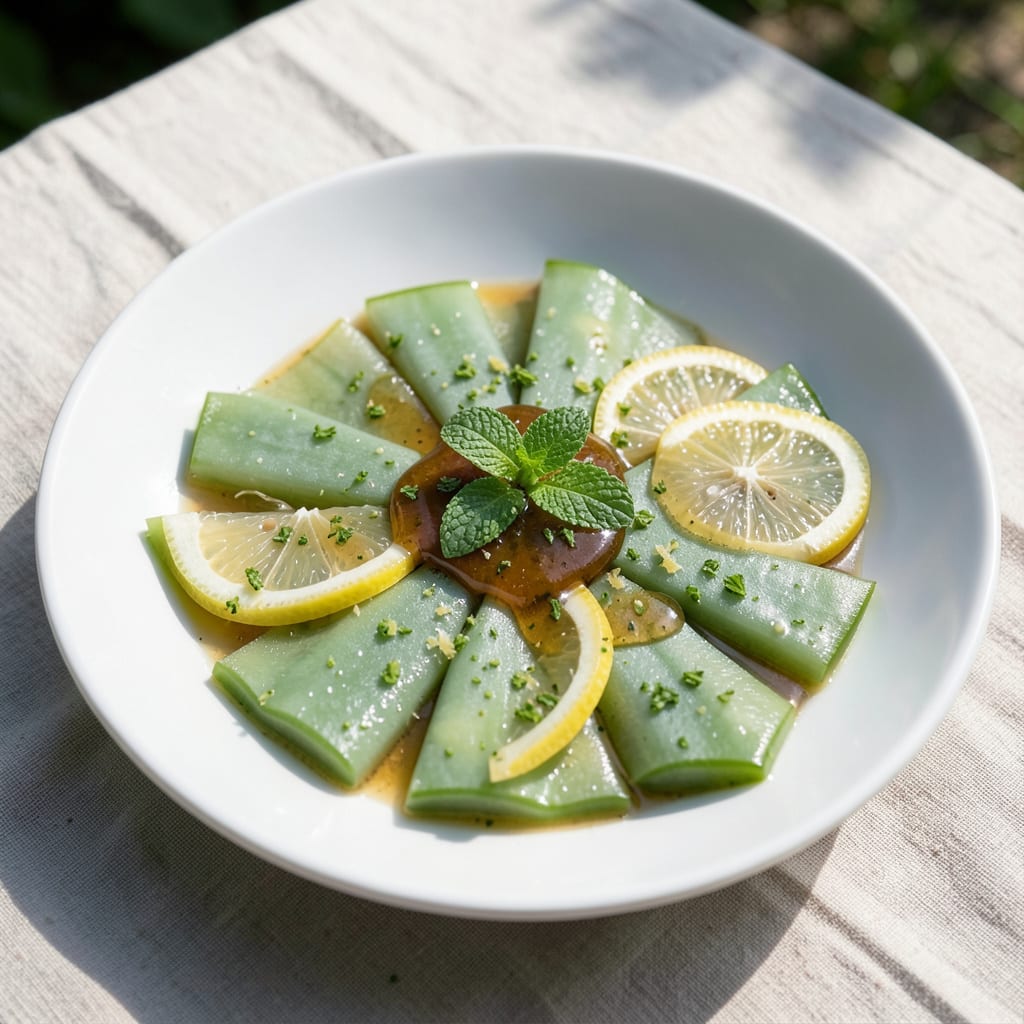
I discovered aloe vera’s antifungal power by accident last summer. 🌱 My struggling seedlings were covered in white spots until I tried a simple aloe gel spray—within days, the problem started clearing up.
Turns out, aloe contains compounds that naturally combat fungal growth on plants. It’s gentle enough for delicate foliage but tough on powdery mildew and leaf spot. The gel creates a protective barrier without harsh chemicals.
For best results, dilute fresh aloe gel with water and apply in the early morning. I’ve used this on roses, vegetables, and houseplants with consistent success.
Works especially well as a preventive measure during humid weather. Here’s how to make it part of your plant care routine.
Fungal infections thrive when conditions allow fungi to overgrow. Understanding the root causes helps explain why natural remedies like aloe vera may be considered. Below are the primary reasons these infections develop.
Fungi flourish in damp, warm areas like sweat-prone skin folds, locker rooms, or poorly ventilated shoes. These conditions weaken the skin’s barrier, making it easier for fungi (e.g., Candida or Trichophyton) to invade. Aloe vera’s moisture-balancing properties may help restore skin integrity in such cases.
A compromised immune system—due to stress, illness (e.g., diabetes), or medications like corticosteroids—reduces the body’s ability to fight fungal overgrowth. Aloe vera contains polysaccharides (e.g., acemannan) that may modulate immune responses, though it’s not a standalone cure.
Healthy skin has a slightly acidic pH (4.5–5.5) that inhibits fungal growth. Harsh soaps, antibiotics, or excessive sweating can disrupt this balance. Aloe vera’s alkaline nature (pH ~7) may temporarily neutralize acidity, but its anti-inflammatory compounds (e.g., anthraquinones) could help soothe infected areas.
Fungal spores spread through shared surfaces (towels, pools, or gym equipment) or close contact with infected individuals/pets. Aloe vera’s antimicrobial components (e.g., lupeol, salicylic acid) may inhibit some fungal strains, but prevention—like hygiene and avoiding contaminated areas—remains key.
If you’re dealing with a fungal infection and wondering if aloe vera can help, here’s how to use it effectively along with other practical solutions. Aloe vera’s anti-fungal properties can be harnessed in simple ways, but combining it with good habits ensures better results.
Apply fresh aloe vera gel directly to the affected area 2–3 times daily. Its natural compounds like acemannan help combat fungi while soothing irritation. For stubborn infections, mix aloe gel with a drop of tea tree oil (a known anti-fungal) for enhanced effects.
Fungal infections thrive in moist environments. After applying aloe, keep the area clean and dry. Change socks or clothing frequently if the infection is on the skin or feet, and avoid tight-fitting fabrics that trap moisture.
Aloe vera contains active compounds like acemannan and lupeol that disrupt fungal cell membranes. These natural agents also reduce inflammation while creating an inhospitable environment for fungal growth.
Pure 100% aloe vera gel works best. Avoid products with added alcohol or preservatives, as these can irritate skin. For plants, fresh gel is most effective when diluted with water.
Apply fresh aloe gel 2-3 times daily to affected skin areas. For plants, spray diluted aloe solution every 3-4 days or after rain. Consistency is key for visible results.
It’s most effective against mild skin fungi like athlete’s foot or ringworm. For severe infections or internal issues, consult a doctor. Aloe works best as a supplement to medical treatment.
