
Beautiful Plants For Your Interior
Beautiful Plants For Your Interior
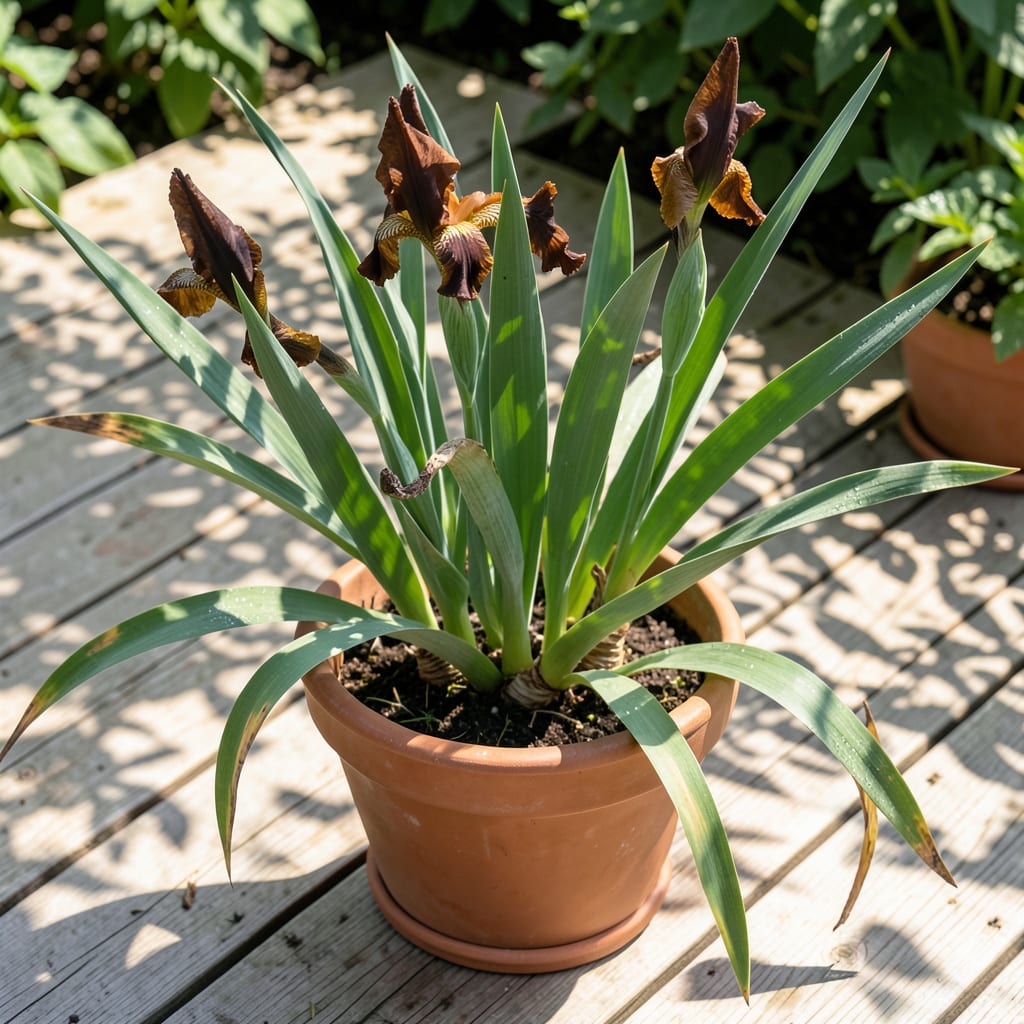
Brown iris leaves caught my eye in the garden last week. 🌿 I knew something was off—healthy iris foliage stays vibrant green until fall. This isn’t just an eyesore; it’s your plant signaling distress from disease, pests, or environmental stress. Ignore it, and the problem spreads.
Here’s the thing—most brown leaf issues are fixable if you act fast. I’ve saved dozens of iris clumps by catching the warning signs early. The key is knowing whether you’re dealing with fungal spots, boring insects, or just a thirsty plant in summer heat.
You’ll learn to diagnose the exact cause by examining leaf patterns, checking the soil, and inspecting for hidden pests. Each issue has a specific solution, from simple pruning to targeted treatments that restore health without harsh chemicals.
Works for all iris types, from bearded to Siberian. Let’s rescue your plants before the damage spreads.
Brown leaves on your irises are often a sign of distress, and pinpointing the cause is the first step to revival. Here are the most likely culprits:
Irises, especially bearded varieties, despise soggy roots. Overwatering or compacted soil suffocates the rhizomes, leading to root rot. Fungal pathogens like Phytophthora thrive in waterlogged conditions, causing leaves to yellow, then brown from the tips inward. Action: Ensure soil is well-draining, and water only when the top inch of soil is dry.
While irises love full sun, intense heat (especially in southern climates) can scorch leaves, turning them crispy and brown. This often appears as brown edges or patches on the most exposed foliage. Action: Provide afternoon shade in extreme heat or mulch to retain moisture.
Fungi such as Alternaria or Mycosphaerella (leaf spot) cause circular brown lesions with yellow halos. These spread rapidly in humid, wet conditions. Action: Remove infected leaves, improve air circulation, and apply a copper-based fungicide.
The iris borer (Macronoctua onusta) is a notorious pest. Its larvae tunnel into rhizomes, causing wilting and brown, water-soaked leaf bases. Action: Divide and inspect rhizomes in fall; destroy infested ones and use beneficial nematodes.
A lack of potassium or magnesium can cause leaf margins to turn brown (necrosis). Poor soil or excessive nitrogen (promoting leafy growth over root health) often triggers this. Action: Test soil and amend with a balanced fertilizer or compost.
When your iris leaves start turning brown, quick action can save your plants. Below are targeted fixes for the most common causes, along with prevention tips to keep your irises thriving.
Fix: Stop watering immediately and check the soil. If it’s soggy, improve drainage by amending the soil with compost or sand. For potted irises, ensure containers have drainage holes. Trim brown, mushy leaves with clean shears.
Prevention: Water only when the top inch of soil feels dry. Plant irises in well-draining soil or raised beds. 💡 Pro Tip: Mulch lightly to retain moisture without suffocating roots.
Fix: Move potted irises to a spot with afternoon shade. For in-ground plants, provide temporary shade cloth during peak heat. Trim crispy, brown edges to help the plant recover.
Prevention: Plant irises where they get morning sun and afternoon shade, especially in hot climates. Keep soil consistently moist (but not soggy) during heatwaves.
Fix: Remove and destroy infected leaves to prevent spread. Apply a copper-based fungicide or neem oil spray, following label instructions. Improve air circulation by thinning crowded plants.
Prevention: Avoid overhead watering—use a soaker hose instead. Space plants 12–18 inches apart and clean up debris around the base. ✨ Pro Tip: Disinfect pruning tools with rubbing alcohol between cuts.
Fix: Inspect leaves for aphids, iris borers, or slugs. Blast pests off with water or apply insecticidal soap for soft-bodied insects. For borers, remove and destroy affected rhizomes.
Prevention: Encourage natural predators like ladybugs. Remove dead foliage in fall to eliminate overwintering pests. Apply diatomaceous earth around plants for slugs.
Fix: Test your soil. If it’s lacking nutrients, apply a balanced fertilizer (10-10-10) or a high-nitrogen formula for yellowing leaves. Avoid over-fertilizing, which can burn roots.
Prevention: Feed irises lightly in early spring and again after blooming. Work compost into the soil annually to maintain fertility.
Yes, trim brown leaves at the base using clean shears to prevent disease spread. Remove only the affected parts if the rest of the leaf is still green and healthy.
No, once iris leaves turn brown, the damage is permanent. Focus on fixing the underlying issue so new growth stays vibrant and healthy.
Water deeply once a week, allowing the top 1-2 inches of soil to dry between waterings. Overwatering is a common cause of browning, so less is often better.
A copper-based fungicide or neem oil works well. Apply every 7-10 days until the issue resolves, and always follow label instructions.
