
Beautiful Plants For Your Interior
Beautiful Plants For Your Interior
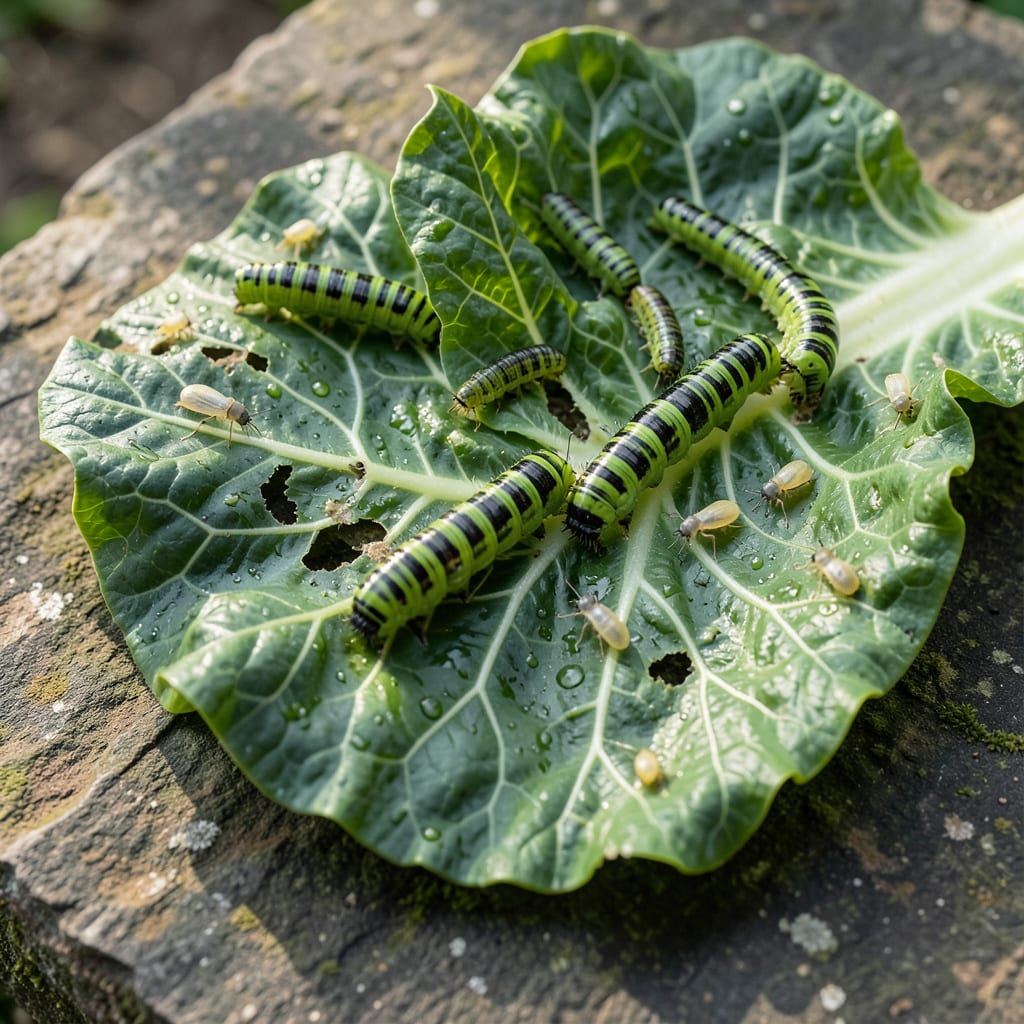
Cabbage leaves with holes overnight? I’ve been there. One morning your plants look fine, the next they’re Swiss cheese. The culprits are usually cabbage worms or aphids, and they move fast.
Here’s the thing—identification is half the battle. Tiny green worms mean cabbage loopers. Clusters of green bugs? Aphids. Both love tender new growth, and left unchecked, they’ll strip plants in days.
Organic solutions work best for home gardens. Hand-picking, row covers, and neem oil can save your crop without chemicals. I’ve saved entire harvests with just these three methods.
Prevention beats treatment every time. Healthy soil and companion planting make your cabbages less appealing to pests in the first place.
Cabbage leaves often fall victim to insect feeding due to several ecological and biological factors. Understanding these causes helps gardeners take targeted action to protect their crops.
Cabbage plants release volatile organic compounds (VOCs) that attract pests like cabbage loopers, aphids, and flea beetles. These insects have evolved to detect these chemical signals, which indicate a suitable food source. The high moisture and nutrient content in cabbage leaves make them especially appealing to hungry larvae and adults.
Monoculture gardening—growing only cabbage or related brassicas—creates an ideal environment for pests to thrive. Without predatory insects or competing plants, populations of leaf-eating insects can explode. Introducing companion plants like marigolds or nasturtiums disrupts this cycle by repelling pests or attracting beneficial predators.
Many cabbage pests are most active during warm, dry periods, particularly in late spring and early summer. Eggs laid on the undersides of leaves hatch into larvae that feed voraciously. Without intervention, a single generation can defoliate young plants in just a few weeks.
Stressed cabbage plants—due to poor soil, inconsistent watering, or nutrient deficiencies—are more susceptible to insect damage. Healthy plants can better resist or recover from pest attacks, while weakened ones emit stronger stress signals that attract more insects.
Here’s how to tackle the most common cabbage leaf pests with simple, effective fixes—and keep them from coming back.
Check leaves daily for small green caterpillars. Remove them by hand (drop in soapy water) or spray with Bacillus thuringiensis (Bt), a natural bacteria that targets worms without harming beneficial insects. Prevention tip: Cover plants with floating row covers early in the season to block adult butterflies from laying eggs. 💡
Spot clusters of tiny green or black bugs? Spray them off with a strong jet of water, or apply insecticidal soap. For long-term control, attract ladybugs and lacewings by planting nectar-rich flowers like marigolds nearby. Prevention tip: Avoid over-fertilizing with nitrogen, which aphids love. ✨
Shiny black beetles leaving tiny holes? Set up yellow sticky traps or lay down reflective mulch to confuse them. For severe infestations, dust plants with diatomaceous earth (reapply after rain). Prevention tip: Rotate crops yearly to disrupt their life cycle. 🎯
Slimy trails and jagged edges? Create a copper tape barrier around beds or set out shallow dishes of beer to trap them. Handpick at dusk for immediate results. Prevention tip: Keep the garden free of debris where they hide during the day. 🌡️
Combine these methods for a pest-free cabbage patch—naturally!
Look for visual clues. Tiny holes mean flea beetles, while jagged edges suggest slugs. Green caterpillars or clusters of small bugs indicate cabbage worms or aphids. Check leaf undersides for eggs or larvae.
Handpick caterpillars daily and drop them in soapy water. For quicker results, apply Bt (Bacillus thuringiensis) spray, which kills worms within 2-3 days without harming other insects.
Yes! Planting marigolds, nasturtiums, or dill near cabbage repels pests and attracts beneficial insects like ladybugs. This natural method reduces the need for chemical interventions.
A strong water spray dislodges aphids, while crushed eggshells create barriers against slugs. Diatomaceous earth is also effective but must stay dry to work.
