
Beautiful Plants For Your Interior
Beautiful Plants For Your Interior
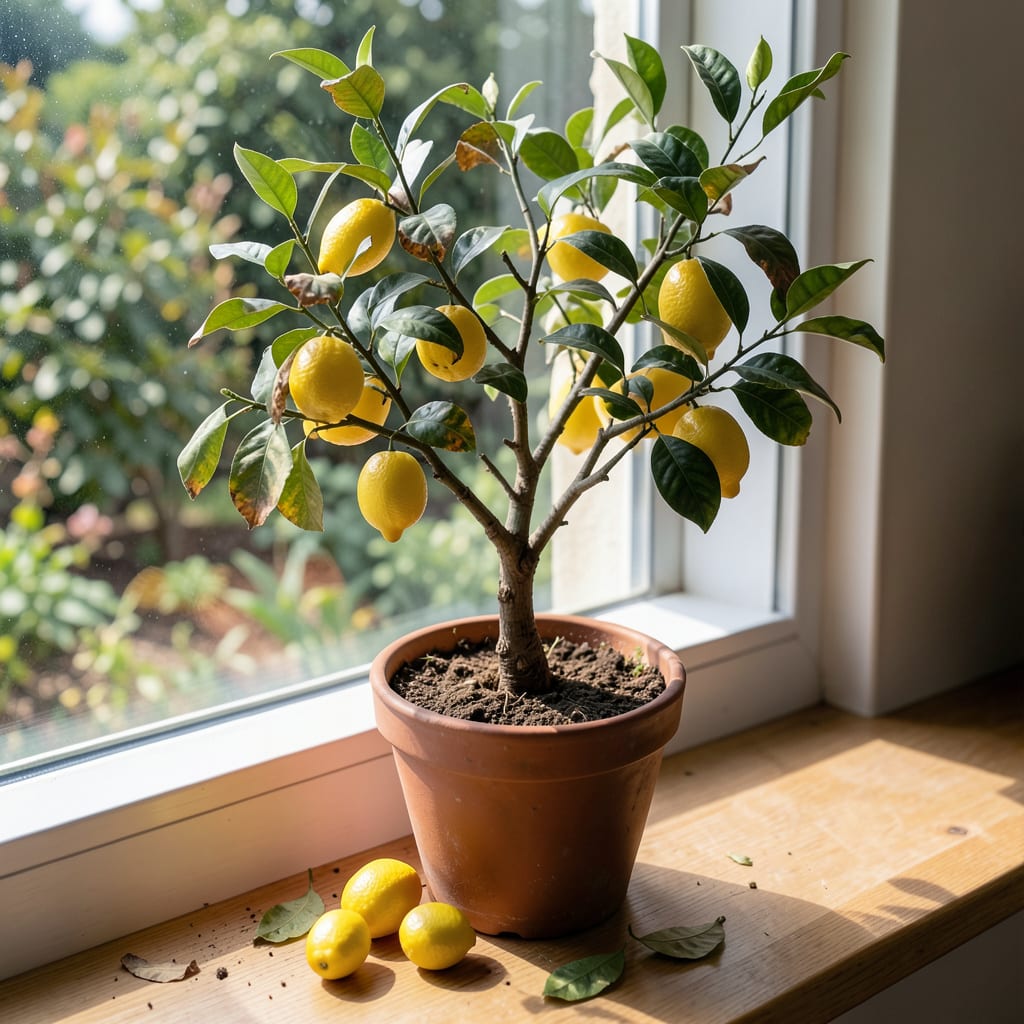
Yellow leaves dropping like confetti? Your lemon tree’s crying for help. 🌱 I’ve nursed mine back from the brink more times than I’d like to admit—usually it’s one of four simple fixes.
The usual suspects: too much or too little water, not enough light, or a pest party crashing on the leaves. Each has a tell—wilted tips scream overwatering, pale leaves beg for sunlight. Fix the right issue, and you’ll see new growth within 2-3 weeks.
No fancy tools needed. A moisture meter, better lighting, or neem oil spray can turn things around fast. The key is acting before more than 30% of leaves are gone.
Here’s the thing—once you spot the problem, the solution’s often easier than you think. Let’s save that citrus.
Indoor lemon trees shed leaves primarily due to stress from suboptimal growing conditions. These tropical plants thrive in specific environments, and even minor deviations can trigger abscission—the natural process of leaf detachment. Below are the most common culprits, explained with actionable insights.
Lemon trees prefer a stable range of 70–85°F (21–29°C) during the day and a slight drop at night. Sudden cold drafts (e.g., near windows or AC vents) or heat spikes (e.g., radiators) disrupt their metabolism. Chilling injury below 50°F (10°C) damages cell membranes, leading to leaf yellowing and drop. Fix: Move the tree away from drafts and use a space heater or thermal curtain to maintain consistency.
Overwatering suffocates roots by depleting oxygen in the soil, causing root rot (often signaled by a foul odor or mushy roots). Underwatering, on the other hand, starves the tree of moisture, prompting leaf loss to conserve water. Ideal practice: Water only when the top 1–2 inches of soil are dry. Ensure pots have drainage holes to prevent soggy conditions.
Lemon trees require 8–12 hours of bright, indirect light daily. Inadequate light weakens photosynthesis, reducing the tree’s ability to sustain foliage. Leaves may turn yellow (chlorosis) before dropping. Solution: Place the tree near a south-facing window or supplement with grow lights (LED or fluorescent) for 12–14 hours/day.
A lack of nitrogen (pale leaves), magnesium (yellow patches between veins), or iron (yellowing young leaves) can trigger leaf drop. Indoor soils often deplete nutrients faster. Action: Use a citrus-specific fertilizer (high in nitrogen, potassium, and micronutrients) every 4–6 weeks during growing season. For iron deficiency, chelated iron foliar sprays work quickly.
Spider mites, aphids, and scale insects sap sap from leaves, weakening the tree. Infestations often appear as sticky residue (honeydew) or fine webbing. Treatment: Isolate the tree, wipe leaves with neem oil or insecticidal soap, and repeat weekly until pests are gone. Increase humidity to deter spider mites.
Don’t let leaf drop ruin your indoor lemon tree! Here’s how to tackle the most common causes with simple, actionable fixes.
If your tree isn’t getting enough light, move it to a south-facing window for 6–8 hours of sunlight daily. No bright spot? Use a grow light (LED or fluorescent) for 12–14 hours a day. Prevention tip: 💡 Rotate the pot weekly so all sides get even exposure.
Overwatered? Let the soil dry out until the top 1–2 inches are dry before watering again. Underwatered? Give it a deep soak until water drains from the bottom. Always use pots with drainage holes to avoid root rot. Prevention tip: 🌡️ Stick your finger in the soil—if it feels damp, wait!
Yellowing leaves often mean a lack of nitrogen, potassium, or magnesium. Use a citrus-specific fertilizer every 4–6 weeks during growing season (spring to fall). For quick fixes, try a foliar spray of Epsom salt (1 tbsp per gallon of water) for magnesium. Prevention tip: ✨ Always dilute fertilizer to half-strength to avoid burning roots.
Check under leaves for spider mites, aphids, or scale. Wipe leaves with a damp cloth or spray with neem oil (mix 1 tsp per quart of water). Repeat every 5–7 days until pests are gone. Prevention tip: 🎯 Isolate new plants for 2 weeks to prevent infestations.
Keep your tree away from drafts (AC, heaters, or doors) and maintain 65–75°F temperatures. If humidity is low (below 40%), place a pebble tray with water underneath or use a humidifier. Prevention tip: 🌿 Mist leaves occasionally for a quick humidity boost.
Water when the top 1-2 inches of soil are dry. This usually means every 7-10 days, but check soil moisture with your finger. Overwatering causes root rot, while underwatering leads to leaf drop.
Provide 8-12 hours of bright, indirect light daily. A south-facing window is ideal, or use a grow light if needed. Rotate the pot weekly for even exposure.
Yes! Once you fix the underlying issue (water, light, nutrients, or pests), new growth appears in 2-3 weeks. Act quickly if over 30% of leaves are gone.
Check leaf undersides for tiny bugs or webbing (pests). Yellow patterns between veins often signal nutrient deficiency. Sticky residue usually means pests.
