
Beautiful Plants For Your Interior
Beautiful Plants For Your Interior
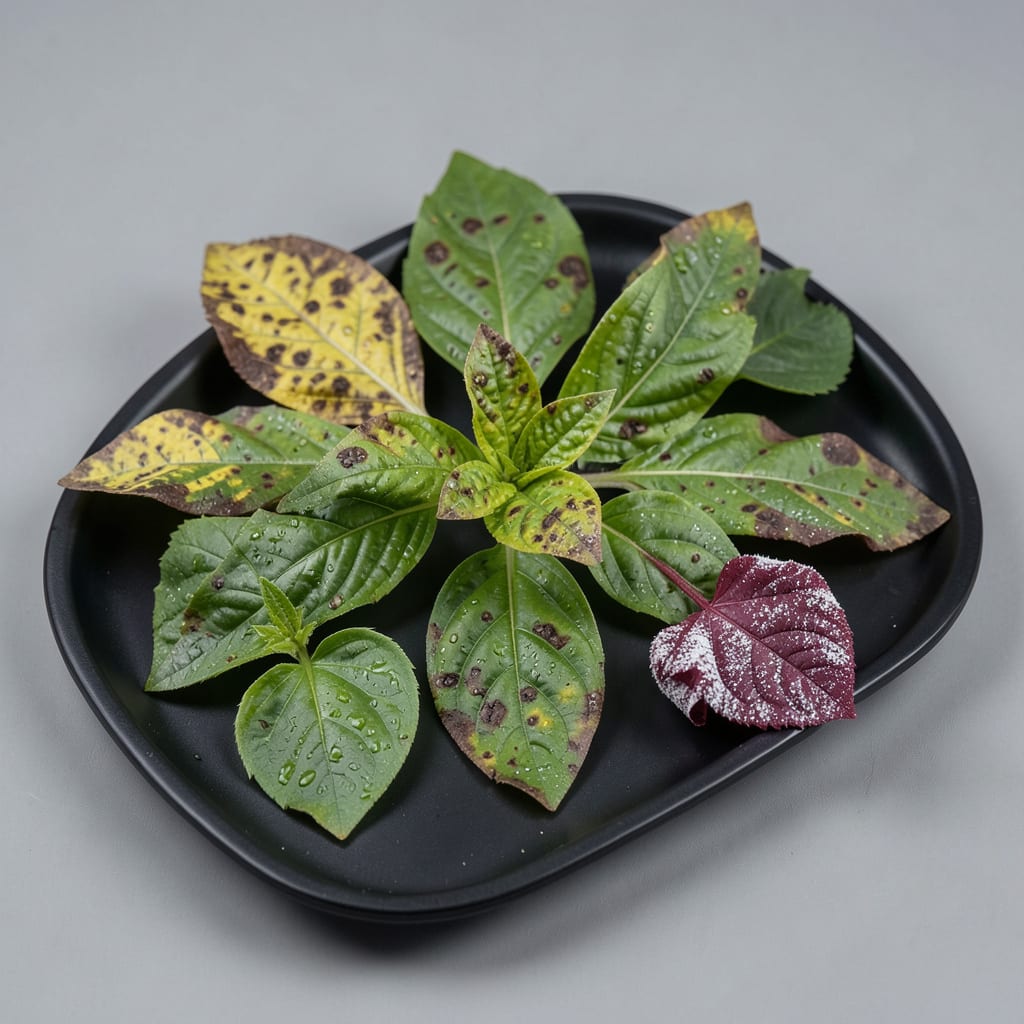
That yellow spot on your tomato leaf isn’t just ugly—it’s a warning. 🌱 I’ve spent too many mornings staring at sick plants, wondering if it’s fungus, bacteria, or just my imagination. Visual diagnosis changed everything for me.
You don’t need a degree in plant pathology to spot trouble early. A simple photo can reveal patterns in leaf discoloration, spots, or growth distortions that point straight to the problem. Most diseases announce themselves if you know what to look for.
Within minutes, you can match symptoms to common issues like powdery mildew, rust, or blight. The earlier you catch it, the better your chances of saving the plant—and the rest of your garden.
Works for vegetables, flowers, even houseplants. Here’s how to start diagnosing like a pro.
Plant diseases don’t appear out of nowhere—they’re triggered by specific biological, environmental, or cultural factors. Understanding these root causes helps you prevent problems before they start. Here’s a breakdown of the most common culprits:
Most plant diseases stem from pathogenic organisms like fungi, bacteria, viruses, and nematodes. Fungi (e.g., Powdery Mildew, Rust) thrive in damp, poorly ventilated conditions, while bacteria (e.g., Fire Blight, Leaf Spot) often spread through water splashes or contaminated tools. Viruses (e.g., Tobacco Mosaic Virus) require a vector—like aphids or infected seeds—to infect plants. Nematodes, microscopic worms, attack roots, causing wilting and stunted growth.
Extreme or inconsistent conditions stress plants, making them vulnerable to disease. Overwatering leads to root rot, while drought weakens defenses against pests. Temperature swings, poor soil drainage, or nutrient deficiencies (e.g., nitrogen, potassium) can also trigger physiological disorders that mimic disease symptoms, like leaf yellowing or necrosis.
Even well-meaning gardeners can accidentally spread disease. Reusing contaminated soil, failing to sterilize pruning tools, or crowding plants (reducing airflow) creates ideal conditions for pathogens. Over-fertilizing, especially with nitrogen, can promote lush but weak growth that’s more susceptible to infection. Proper sanitation and spacing are simple yet powerful preventative measures.
Once you’ve spotted a problem, quick action can save your plants. Here’s how to tackle common issues based on what you see in your photos.
If leaves turn yellow (especially lower ones), your plant may lack nitrogen, iron, or magnesium. Fix: Use a balanced fertilizer or add compost. For iron deficiency, apply chelated iron. Prevention tip: 💡 Test soil annually and amend as needed.
Tiny dots or fine webbing under leaves mean spider mites. Fix: Spray plants with water to dislodge mites, then apply neem oil or insecticidal soap. Repeat every 3–5 days. Prevention tip: ✨ Keep humidity high and inspect new plants before bringing them home.
Dark, spreading spots often signal fungal infections like anthracnose or leaf spot. Fix: Remove affected leaves and treat with a copper-based fungicide. Improve air circulation. Prevention tip: 🌡️ Avoid overhead watering and space plants properly.
Caterpillars, slugs, or beetles chew leaves, leaving ragged edges or holes. Fix: Handpick pests (wear gloves!) or use organic sprays like Bacillus thuringiensis (Bt) for caterpillars. Prevention tip: 🎯 Rotate crops and use row covers.
Drooping leaves can mean too much or too little water. Fix: Check soil moisture—water if dry, or let it dry out if soggy. Adjust your watering schedule. Prevention tip: 📊 Use a moisture meter for accuracy.
Early intervention is key! Pair these fixes with regular photo checks to catch new issues fast.
Focus on affected leaves, stems, and roots from multiple angles. Include close-ups of spots, patterns, or damage. Shoot in natural light for clear symptom visibility.
Many diseases share symptoms like yellowing or spots. Environmental stress can mimic disease too. Always consider plant type, location, and recent care when diagnosing.
With clear images, accuracy reaches 80-90% for common issues. Rare diseases or early stages may need expert confirmation. Cross-reference with multiple sources.
The same visual clues apply to indoor plants. Look for leaf discoloration, unusual growths, or pest evidence. Houseplants often suffer from poor light or overwatering.
