
Beautiful Plants For Your Interior
Beautiful Plants For Your Interior
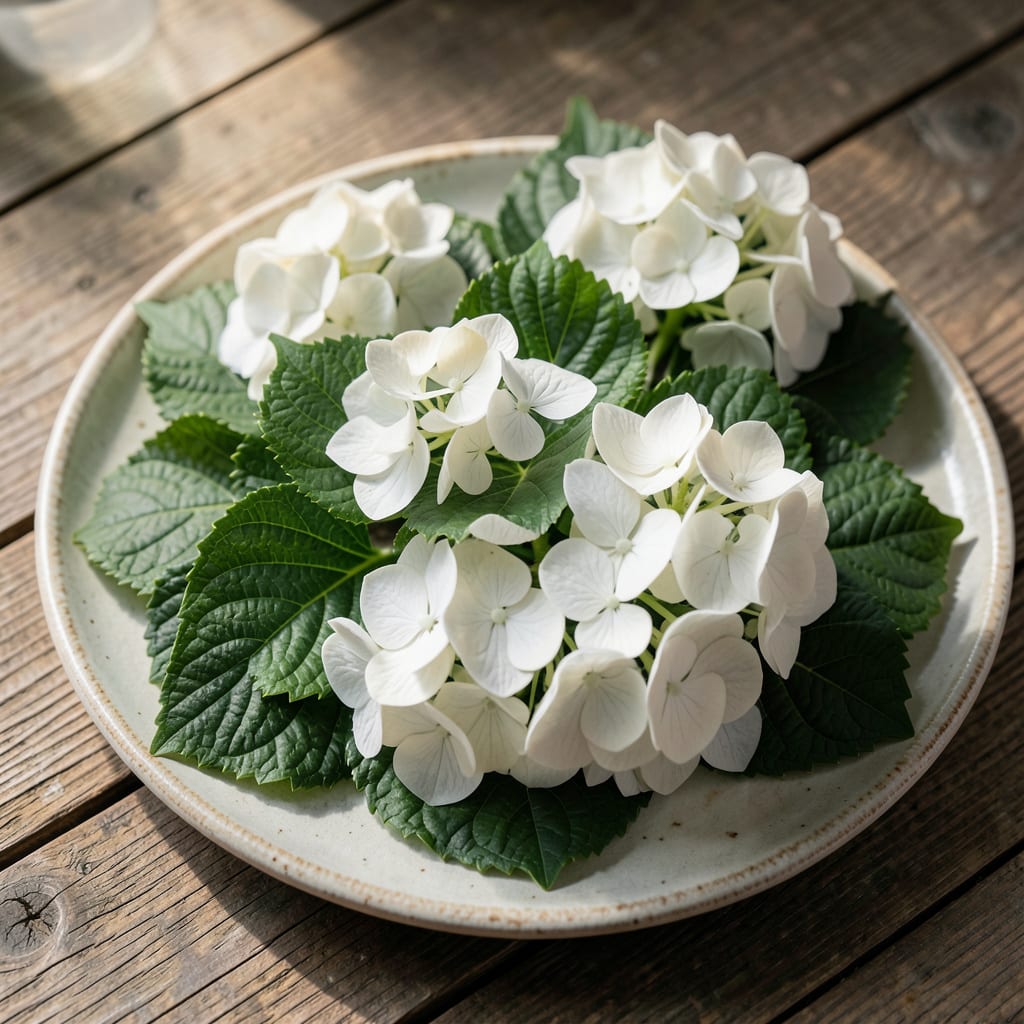
White hydrangea leaves caught me off guard last summer. I thought it was just sunburn, but the problem ran deeper—powdery mildew had taken hold, and my plants paid the price.
Turns out, white leaves usually signal powdery mildew or nutrient deficiency. Too much shade, poor air flow, or a lack of phosphorus can all trigger this, and the fix starts with identifying which issue you’re dealing with.
Once you know the cause, solutions are straightforward. A baking soda spray handles mildew, while a balanced fertilizer corrects deficiencies. Both take 1-2 weeks to show improvement.
Prevention is simpler than treatment. Space plants properly, water at the base, and keep an eye on leaf color. Healthy hydrangeas have deep green leaves, not pale or powdered ones.
Hydrangea leaves turning white can signal several underlying issues, each with distinct triggers. Below are the most common causes, explained scientifically for clarity and actionable solutions.
Erysiphe polyphaga or Podosphaera fungi thrive in humid, poorly ventilated conditions. These pathogens form a white, powdery coating on leaves by drawing nutrients from plant cells, disrupting photosynthesis. High humidity (above 60%) and temperatures between 60–80°F accelerate spores’ spread. Action: Improve airflow, avoid overhead watering, and apply sulfur-based fungicides.
Chlorosis—yellowing between leaf veins—can progress to white if severe, often due to iron (Fe) or magnesium (Mg) deficiency. Iron is immobile in plants; deficient leaves (typically new growth) turn pale as chlorophyll production halts. Magnesium deficiency starts in older leaves, causing interveinal white patches. Soil pH above 6.5 locks out iron, while sandy or waterlogged soils leach magnesium. Action: Test soil pH (target 5.2–6.0 for hydrangeas) and amend with chelated iron or Epsom salts (MgSO₄).
Excess moisture in root zones forces water into leaf cells faster than they can expel it, rupturing epidermal layers. This creates white, blister-like spots or crusty deposits, especially on lower leaves. Common in heavy clay soils or containers without drainage. Action: Reduce watering frequency, ensure pots have drainage holes, and use well-draining soil mixes.
Foliar contact with certain chemicals (e.g., glyphosate drift or copper-based fungicides) can bleach leaves white as they disrupt cellular respiration. Symptoms appear within days of exposure, often in patches. Action: Rinse leaves immediately with water if accidental spray occurs; avoid applying pesticides on windy days.
If your hydrangea leaves are turning white, act fast to restore their vibrant green. Below are targeted fixes for the most common causes, along with prevention tips to keep your plant healthy.
This fungal disease creates a white, powdery coating on leaves. Fix: Spray affected leaves with a mix of 1 tablespoon baking soda, 1 teaspoon neem oil, and 1 gallon of water. Apply weekly until the issue resolves. Remove heavily infected leaves to prevent spread.
Prevention: Improve air circulation by spacing plants properly. Water at the base to keep leaves dry, and avoid overhead watering in the evening.
Too much direct sunlight can bleach leaves, turning them white or pale. Fix: Move potted hydrangeas to a shadier spot or use shade cloth for in-ground plants. If leaves are crispy, trim them to encourage new growth.
Prevention: Hydrangeas thrive in partial shade. Aim for morning sun and afternoon shade, especially in hot climates.
White or yellowing leaves with green veins often signal iron or magnesium deficiency. Fix: Apply a chelated iron supplement or Epsom salt solution (1 tablespoon Epsom salt per gallon of water) to the soil. Test your soil’s pH—hydrangeas prefer 5.2–6.2 for optimal nutrient uptake.
Prevention: Feed hydrangeas with a balanced, acid-loving plant fertilizer in spring and mid-summer. Mulch with compost to maintain soil health.
Soggy roots can lead to leaf discoloration and fungal growth. Fix: Let the soil dry slightly between waterings. If the plant is in a pot, ensure drainage holes are unclogged. For in-ground plants, amend heavy clay soil with organic matter.
Prevention: Water deeply but infrequently—about 1–2 inches per week. Use a moisture meter to avoid guessing.
💡 Pro Tip: Regularly inspect your hydrangea for early signs of trouble. Catching issues like white leaves early makes treatment easier and more effective!
Yes, powdery mildew spreads easily via airborne spores. Isolate affected hydrangeas and avoid touching healthy plants after handling infected ones.
Apply a neem oil solution every 7-10 days until symptoms disappear. Always spray in the evening to avoid leaf burn from sun exposure.
Severely damaged leaves won’t turn green again, but new growth will if you fix the underlying issue. Remove white leaves to redirect the plant’s energy.
Amend soil with aluminum sulfate (5 tbsp per gallon of water) for quick results, or use sulfur for gradual adjustment. Test pH after 2-3 weeks.
