
Beautiful Plants For Your Interior
Beautiful Plants For Your Interior
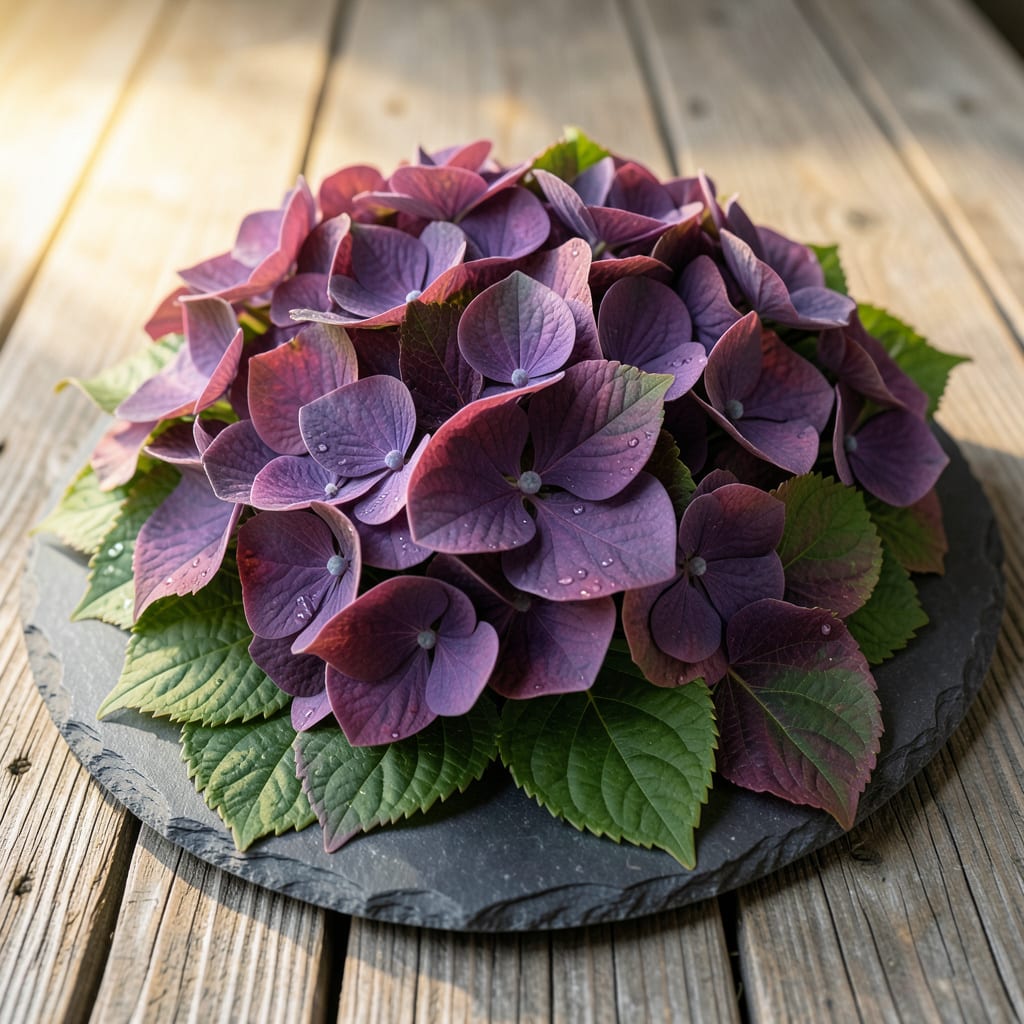
Purple hydrangea leaves always signal something’s off. I’ve seen this happen when the soil’s too alkaline or phosphorus gets locked out, leaving plants starved for nutrients they can actually use.
The fix starts with a simple soil test—$10 at any garden center tells you exactly what’s missing. Most purple leaves mean your plant’s struggling to absorb what it needs, not that the nutrients aren’t there.
Adjusting with the right amendments brings back that vibrant green within weeks. I’ve rescued hydrangeas in 14 days by correcting pH and adding a balanced fertilizer.
This works for bigleaf and oakleaf varieties alike. Catch it early and your shrubs will thank you with healthier growth and better blooms next season.
Hydrangea leaves turning purple can be alarming, but it’s often a sign of an underlying issue 🌱. Here are the most common causes, explained with actionable insights:
When soil lacks sufficient phosphorus, hydrangeas may develop purple-tinged leaves, especially on the undersides or along veins. Phosphorus is vital for energy transfer and root development. Test your soil—if pH is too high (above 7.0), phosphorus becomes less available. Amend with bone meal or a balanced fertilizer (e.g., 10-10-10) to restore levels.
Extreme heat or cold can trigger anthocyanin production, the pigment responsible for purple hues. Hydrangeas prefer 60–75°F (15–24°C). If nights drop below 50°F (10°C) or days exceed 90°F (32°C), leaves may purple as a stress response. Mulch heavily in winter and provide afternoon shade in summer to stabilize conditions.
An excess of nitrogen (promoting leafy growth) or potassium (boosting flower production) can block phosphorus uptake, leading to discoloration. Avoid over-fertilizing with high-nitrogen blends. Instead, use a slow-release, phosphorus-rich fertilizer and flush the soil with water if salt buildup is suspected.
Root stress from poor drainage or dry soil disrupts nutrient absorption. Purple leaves often appear in waterlogged hydrangeas due to oxygen-starved roots. Ensure pots have drainage holes, and amend heavy clay soil with compost. Water deeply when the top inch of soil is dry, but avoid soggy conditions.
If your hydrangea leaves are turning purple, the issue is usually fixable with a few targeted adjustments. Below are practical solutions for the most common causes, along with prevention tips to keep your plant thriving.
Purple leaves often signal a phosphorus deficiency. To correct this:
Prevention tip: 💡 Fertilize in early spring and mid-summer to maintain steady nutrient supply.
Hydrangeas prefer slightly acidic soil (pH 5.5–6.5). If the pH is off:
Prevention tip: 🌡️ Monitor pH annually and amend as needed.
Excessive sun or cold stress can cause purple hues. Try this:
Prevention tip: ✨ Choose a sheltered spot with dappled sunlight for best results.
No, the purple tint is reversible with proper care. Correcting nutrient deficiencies or pH imbalance often restores green leaves within 2-4 weeks.
Yes, over-fertilizing with nitrogen or potassium can block phosphorus uptake, leading to purple leaves. Always follow package instructions for application rates.
Remove severely discolored leaves to redirect energy, but don’t over-prune. Focus on fixing the root cause first.
Possibly. Phosphorus deficiency can reduce blooming. Addressing the issue quickly helps ensure healthy flowers next season.
