
Beautiful Plants For Your Interior
Beautiful Plants For Your Interior
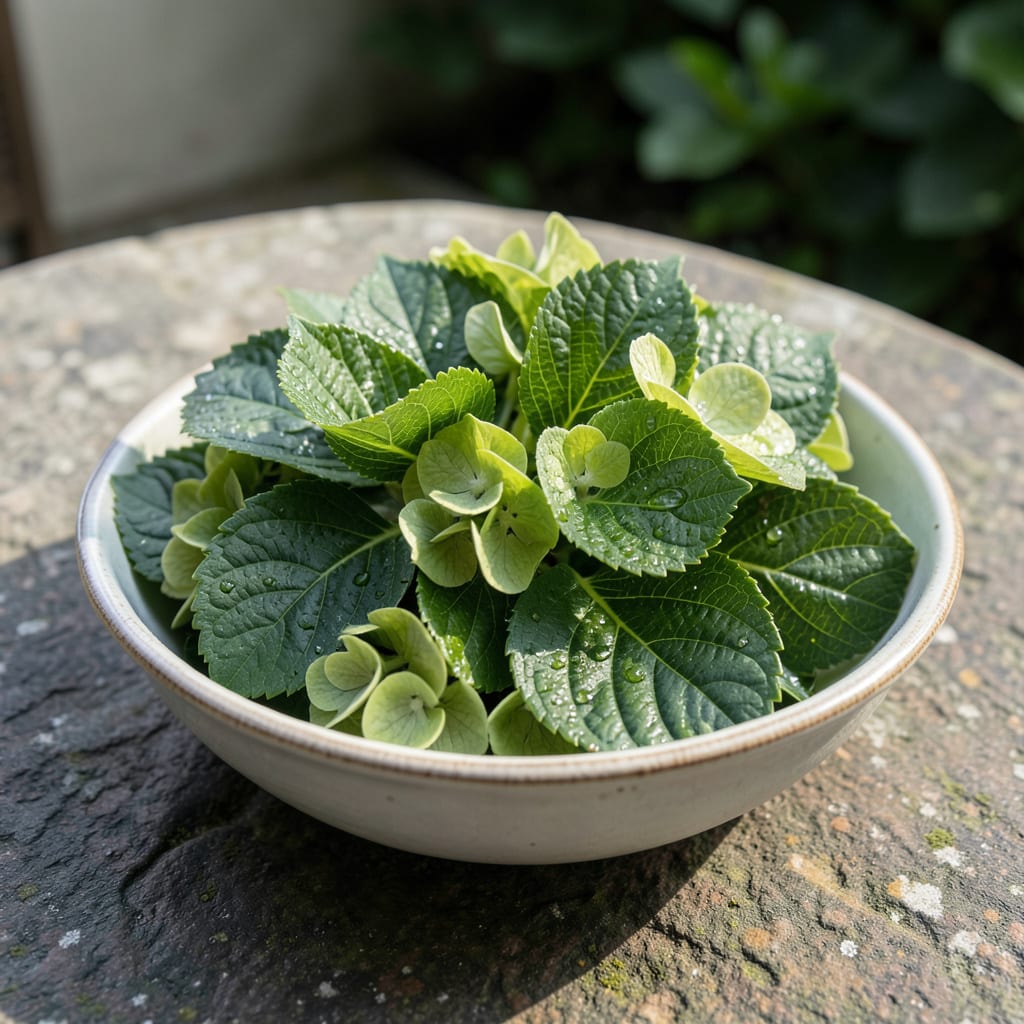
Those upward-curling hydrangea leaves had me stumped last summer. Turns out it’s often the plant’s SOS for thirst—roots pulling moisture from the edges first, forcing leaves to cup like tiny bowls.
I’ve seen this happen most on hot afternoons with dry soil just an inch down. But don’t jump to watering yet—overwatering can cause the same symptom, so check the dirt first.
Once you confirm it’s dry, a deep soak at the base (not overhead) usually perks them up within 24 hours. The leaves unfurl like they’re stretching after a nap.
Prevent it next time with mulch and consistent morning watering. Your hydrangeas will thank you with full, flat leaves and better blooms.
Hydrangea leaves curling upwards often signal that the plant is under stress. Below are the most common causes, explained with scientific clarity and actionable insights.
When hydrangeas don’t receive enough water, their cells lose turgor pressure (the internal pressure that keeps plant tissues rigid). This causes the leaves to curl upwards as a survival mechanism to reduce surface area and minimize water loss through transpiration. Check the soil: if it’s dry 1–2 inches below the surface, your plant is likely thirsty.
High temperatures (above 85°F or 29°C) or intense direct sunlight can trigger heat stress, leading to upward leaf curling. Hydrangeas, especially bigleaf varieties (Hydrangea macrophylla), prefer partial shade. Excessive sun exposure disrupts the plant’s ability to regulate water, forcing leaves to curl to conserve moisture.
Hydrangeas thrive in humid environments. Dry air (common in indoor settings or arid climates) accelerates transpiration, causing leaves to lose water faster than the roots can absorb it. This imbalance results in curled, crispy-edged foliage. Grouping plants together or using a humidifier can help restore balance.
Compromised roots—whether from overwatering, root rot, or physical damage—can’t absorb water efficiently, mimicking underwatering symptoms. Poor drainage exacerbates this by suffocating roots and preventing nutrient uptake. Inspect the roots: healthy ones are firm and white, while damaged roots appear mushy or black.
When your hydrangea leaves start curling upwards, quick action can restore their health. Below are targeted fixes for the most common causes, along with prevention tips to keep your plant thriving.
If the soil feels dry 1-2 inches down, your hydrangea is likely thirsty. Water deeply at the base until the soil is moist but not soggy. Use a slow-dripping hose or watering can to ensure the roots absorb moisture. For prevention, mulch around the base to retain moisture and reduce evaporation. 💡 Pro tip: Water early in the morning to minimize evaporation and fungal risks.
During heatwaves, hydrangeas can lose moisture faster than they absorb it. Move potted plants to a shadier spot or use shade cloth for in-ground plants. Increase watering frequency temporarily, but avoid wetting the leaves to prevent burns. Prevent future stress by planting hydrangeas in areas with afternoon shade, especially in hot climates.
Inspect the undersides of leaves for aphids, spider mites, or scale. Blast them off with a strong stream of water or apply insecticidal soap or neem oil. Repeat every 3-5 days until pests are gone. 🌿 Prevention: Encourage beneficial insects like ladybugs and lacewings, and keep the area around your hydrangea free of debris.
Too much fertilizer can cause leaf curl due to salt buildup. Flush the soil with water to leach out excess salts, and hold off on fertilizing for a few weeks. Resume with a balanced, slow-release fertilizer at half strength. ✨ Pro tip: Test your soil annually to avoid overfeeding.
Water deeply 2-3 times per week in hot weather, ensuring soil stays moist 1-2 inches down. Morning watering works best to reduce evaporation.
Yes, hydrangeas prefer partial shade. Direct afternoon sun above 85°F can stress leaves, causing them to curl. Use shade cloth if needed.
Often yes! If caused by thirst, leaves typically unfurl within 24 hours of deep watering. Severe cases may take longer.
No. Pests, over-fertilizing, or poor drainage can also cause curling. Always check soil moisture and inspect leaves for bugs first.
