
Beautiful Plants For Your Interior
Beautiful Plants For Your Interior
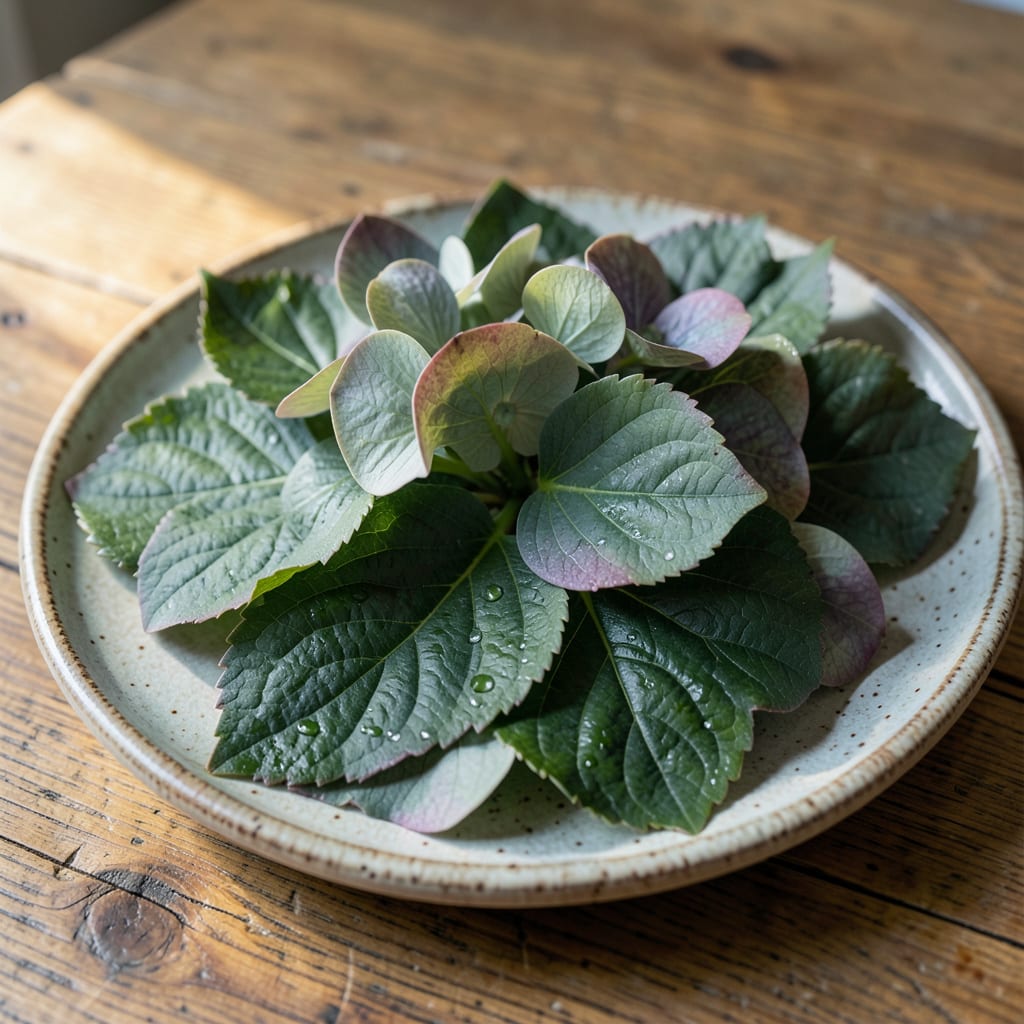
Those curled hydrangea leaves caught me off guard last summer. I watched them twist tighter each afternoon, like they were trying to escape something. Turns out, they were.
Nine times out of ten, it’s water stress—either too much or too little. But pests, disease, or even too much sun can trigger the same reaction. The fix starts with a quick soil check and a close look at the undersides of those leaves.
Once you identify the cause, recovery can be surprisingly fast. I’ve seen leaves unfurl within 24 hours of correcting water issues. The key is acting before the curl becomes permanent.
Prevention is simpler than you’d think: consistent watering, afternoon shade, and regular inspections. Your hydrangeas will thank you with full, healthy foliage all season.
Hydrangea leaves curling up often signal distress, and the causes can be both environmental and biological. Here’s a breakdown of the most common culprits:
When temperatures soar or water is scarce, hydrangeas conserves moisture by curling their leaves. This is a defense mechanism to reduce surface area and minimize water loss through transpiration. Dry soil or inconsistent watering exacerbates this issue, especially in full-sun exposures.
Too much water can be just as harmful as too little. Soggy soil suffocates roots, preventing them from absorbing oxygen and nutrients. This leads to root rot, which disrupts water uptake and causes leaves to curl as the plant struggles to maintain turgor pressure. Check for yellowing leaves or a foul odor from the soil as additional signs.
Sap-sucking pests like aphids, spider mites, or scale insects drain vital fluids from leaves, causing them to curl and distort. These pests often hide on the undersides of leaves, so inspect carefully. Their feeding disrupts the plant’s vascular system, leading to stunted growth and leaf deformation.
Fungal infections such as powdery mildew or leaf spot can weaken hydrangea foliage, leading to curling. These diseases thrive in humid, poorly ventilated conditions and often leave visible spots or a powdery residue on leaves. Infected leaves may curl as the plant attempts to isolate the damaged areas.
A lack of essential nutrients, particularly magnesium or nitrogen, can cause leaves to curl and turn yellow. Magnesium deficiency often appears as interveinal chlorosis (yellowing between veins), while nitrogen deficiency leads to overall pale or stunted growth. A soil test can confirm if your hydrangea is starving for key nutrients.
When your hydrangea leaves start curling up, prompt action can restore their health. Below are targeted fixes for the most common causes, along with tips to prevent future issues.
If the leaves are curling due to excessive heat or sunlight, move potted hydrangeas to a shadier spot immediately. For in-ground plants, erect a shade cloth during peak afternoon hours. Mulch the base with organic material to retain moisture and cool the roots.
Prevention tip: 💡 Plant hydrangeas in locations with morning sun and afternoon shade, especially in warmer climates.
For underwatered hydrangeas, give the plant a deep watering—soak the soil until it’s moist 6-8 inches down. If the soil is soggy (a sign of overwatering), stop watering and let it dry out. Improve drainage by amending the soil with compost or perlite.
Prevention tip: 🎯 Water when the top 1-2 inches of soil feel dry, and ensure pots have drainage holes.
Inspect the undersides of leaves for pests like aphids or spider mites. Spray off visible pests with a strong stream of water, then apply neem oil or insecticidal soap every 5-7 days until they’re gone. For severe cases, use a targeted pesticide.
Prevention tip: ✨ Regularly check leaves and encourage beneficial insects like ladybugs.
If curling is paired with spots or discoloration, remove affected leaves and treat with a copper-based fungicide. Space plants properly for airflow, and avoid overhead watering to reduce humidity around foliage.
Prevention tip: 🌿 Prune regularly to improve ventilation and water at the base of the plant.
Yellowing leaves with curling edges may signal a lack of magnesium or iron. Apply a balanced fertilizer or a specific supplement (e.g., Epsom salt for magnesium). Test your soil for precise adjustments.
Prevention tip: 📊 Feed hydrangeas with a slow-release fertilizer in early spring and mid-summer.
Leaves often begin to unfurl within 24-48 hours of addressing water stress. For pest or disease issues, recovery may take 3-7 days depending on severity.
Water in the early morning to allow foliage to dry before evening. This prevents fungal growth while ensuring hydration during the hottest part of the day.
Curled leaves have reduced efficiency but can still function. Prolonged curling starves the plant of energy, so address the cause quickly to prevent long-term damage.
Remove severely damaged leaves to redirect energy. If only tips are curled, wait for recovery—pruning healthy tissue can stress the plant further.
