
Beautiful Plants For Your Interior
Beautiful Plants For Your Interior
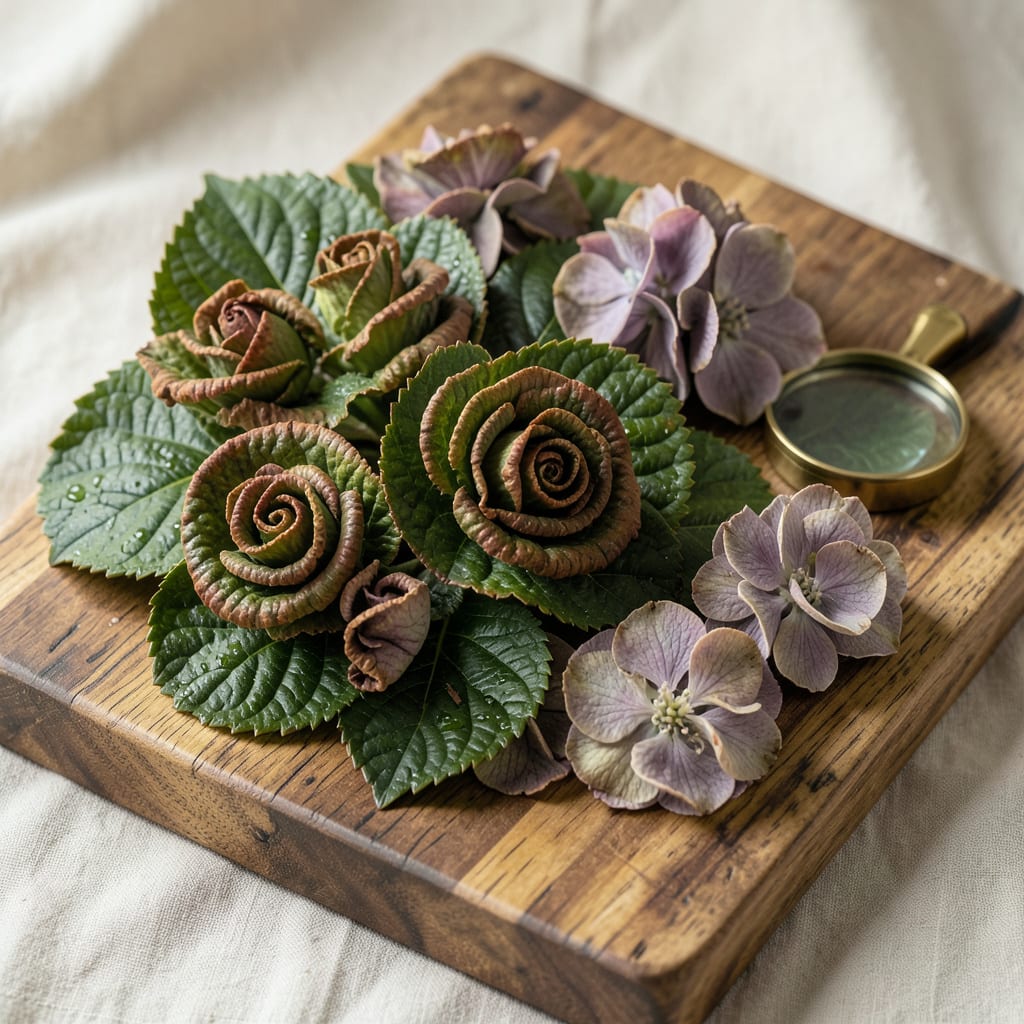
Curling hydrangea leaves always signal something’s wrong. I’ve seen this issue wipe out entire bushes when ignored too long.
The usual culprits are fungal infections, water stress, or aphid damage. Each leaves different visual clues: spots for fungus, crisp edges for drought, or sticky residue for pests. Catching it early means saving your plant.
Most fixes are simpler than you’d think. Better air circulation, consistent watering, or a quick neem oil spray often does the trick. The key is acting before the damage spreads to stems.
Works for bigleaf, panicled, and oakleaf varieties. Here’s how to spot and stop it.
Leaf curl in hydrangeas is a distress signal, often caused by environmental stress, pathogens, or cultural missteps. Understanding the root cause helps you target the right fix. Below are the most common triggers, explained with actionable insights.
Hydrangeas thrive in consistent moisture and moderate temperatures. When exposed to prolonged heat or drought-like conditions, the plant conserves water by curling its leaves to reduce surface area. This is a survival mechanism called transpirational stress. Similarly, overwatering can suffocate roots, leading to poor water uptake and subsequent leaf curl. Always check soil moisture 2 inches deep—it should feel like a wrung-out sponge.
Fungi like Powdery Mildew and Leaf Spot disrupt the hydrangea’s ability to photosynthesize efficiently. Powdery mildew (caused by Erysiphe spp.) coats leaves in a white, powdery film, while leaf spot (often Cercospora or Septoria) creates dark, water-soaked lesions. Both can cause edges to curl as the plant struggles to retain moisture. These pathogens thrive in humid, poorly ventilated conditions, so improve airflow and avoid overhead watering.
Sap-sucking pests like aphids, spider mites, and thrips pierce leaf cells, causing tissue distortion and curl. Aphids, for example, excrete honeydew, a sticky substance that fosters sooty mold growth, further stressing the plant. Inspect the undersides of leaves for tiny insects or webbing. Neem oil or insecticidal soap can provide effective control when applied early.
A lack of essential micronutrients, particularly magnesium or iron, can lead to leaf curl. Magnesium deficiency often manifests as interveinal chlorosis (yellowing between veins) followed by curling. Iron deficiency causes similar symptoms but is more common in alkaline soils (pH > 7.0). Conduct a soil test and amend with chelated iron or Epsom salt (for magnesium) as needed.
Tackling leaf curl on your hydrangeas starts with identifying the root cause. Below are actionable fixes for the most common culprits, paired with prevention tips to keep your plants thriving. 🌿
Fix: Check soil moisture 2 inches deep. If dry, water deeply until the soil is damp but not soggy. If waterlogged, improve drainage by amending the soil with compost or moving the plant to a raised bed. Let the top inch of soil dry out between waterings.
Prevention: Use a moisture meter to monitor soil conditions. Mulch around the base (2–3 inches of organic material) to retain moisture evenly. 💡
Fix: Remove and destroy affected leaves to prevent spread. Apply a baking soda spray (1 tsp baking soda + 1 quart water + a few drops of dish soap) or a neem oil solution (follow label instructions) weekly until symptoms subside.
Prevention: Space plants for airflow, water at the base (avoid wetting leaves), and clean up fallen debris. Prune dense growth in early spring. ✨
Fix: Blast pests off with a strong stream of water. For stubborn infestations, use insecticidal soap or horticultural oil, applying in the early morning or late evening. Repeat every 5–7 days as needed.
Prevention: Encourage beneficial insects like ladybugs by planting companion flowers (e.g., marigolds). Inspect leaves regularly, especially the undersides. 🎯
Fix: Provide afternoon shade for heat-stressed plants using a shade cloth. Shield from strong winds with a barrier or relocate to a sheltered spot. For transplant shock, keep soil consistently moist and avoid fertilizing for 2–3 weeks.
Prevention: Acclimate new plants gradually to outdoor conditions. Apply a layer of mulch to insulate roots from temperature swings. 🌡️
Fix: Test soil pH (hydrangeas prefer 5.5–6.5). If too alkaline, amend with sulfur; if too acidic, add lime. Use a balanced, slow-release fertilizer (10-10-10) or one formulated for acid-loving plants if leaves are yellowing.
Prevention: Fertilize in early spring and mid-summer, following package instructions. Avoid over-fertilizing, which can burn roots. 📊
Check leaf undersides for tiny insects or webbing (pests). Fungal diseases often show spots, powdery coating, or yellowing between veins. Pests leave sticky residue, while diseases create distinct patterns.
New growth typically recovers once the cause is addressed. Severely damaged leaves may not uncurl, but the plant will produce healthy foliage. Focus on preventing spread to new leaves.
Yes! Over-fertilizing creates salt buildup in soil, burning roots and preventing water uptake. This triggers leaf curl as the plant conserves moisture. Always follow package rates.
Move it to shade immediately and water deeply at the base. Mist leaves lightly in early morning. A 2-3 inch mulch layer helps retain moisture long-term.
