
Beautiful Plants For Your Interior
Beautiful Plants For Your Interior
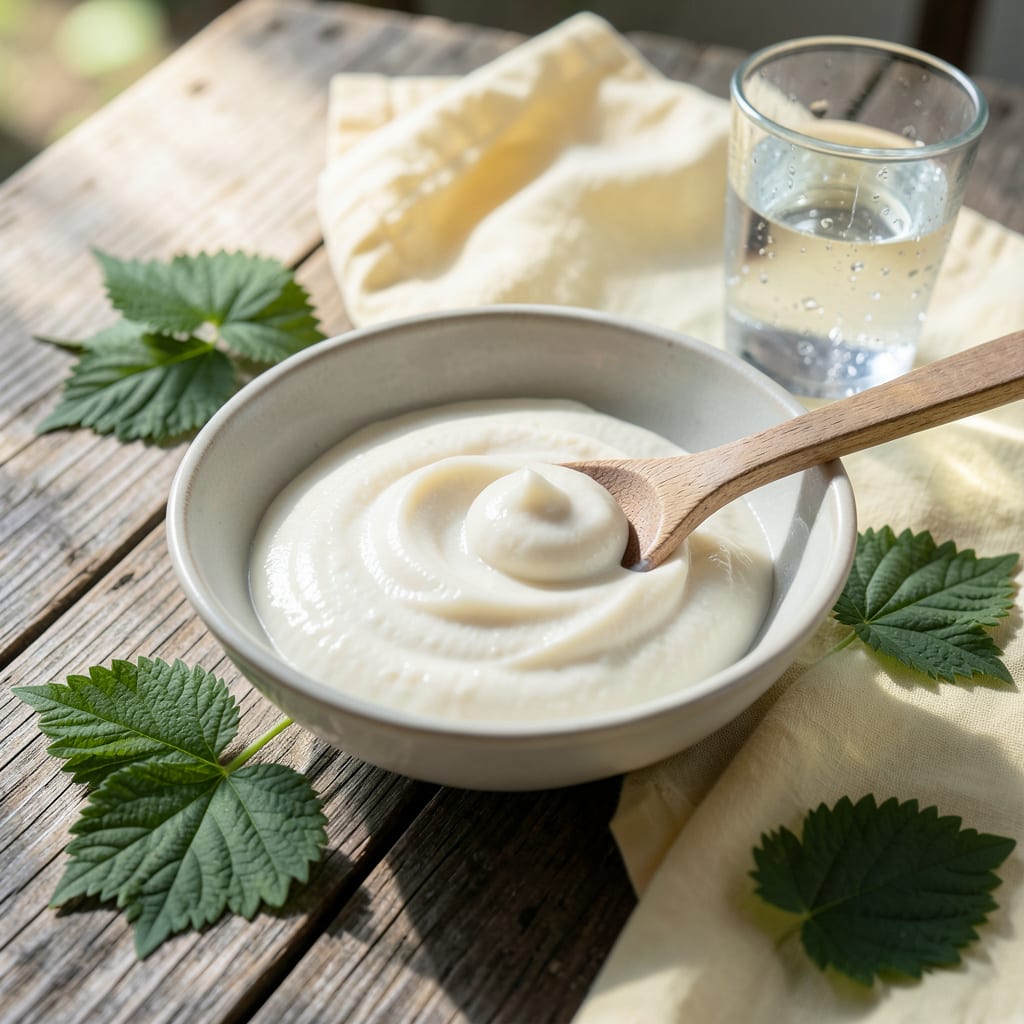
Stinging nettle encounters happen to everyone eventually. I learned the hard way that rubbing the affected area with dock leaves provides near-instant relief—nature’s own remedy.
You’ll feel the burn fade within minutes, and the itch disappears shortly after. The key is acting fast with simple, natural solutions that work every time.
📚 In This Guide
Here’s how I handle stinging nettle exposure for immediate comfort and skin recovery.
Strip off any clothing that touched the plant to prevent further contact with the irritating hairs. Use cool running water and a mild soap to gently cleanse the affected area. The goal is to remove the formic acid and other irritants still clinging to your skin.
Avoid hot water, as it opens pores and can drive the irritants deeper into your skin. Scrubbing vigorously also worsens irritation—use a light touch and rinse thoroughly. You’ll feel the stinging begin to subside as the irritants wash away.
Create a paste from baking soda and water and apply it directly to the affected area. Baking soda neutralizes the acidity of the sting, providing almost instant relief. Leave the paste on for 10-15 minutes before rinsing off.
Alternatively, soak a clean cloth in cool milk or use a cold compress to reduce inflammation. Milk contains proteins that help break down the irritants, while cold compresses numb the area and reduce swelling. Reapply as needed until the stinging fades completely.
Apply aloe vera gel or calamine lotion to calm the skin and reduce redness. Aloe vera has natural anti-inflammatory properties that speed up healing, while calamine lotion provides a protective barrier and soothes itching.
For a more advanced approach, consider a dock leaf—a traditional remedy that often grows near nettles. Crush the leaf to release its juices and rub it directly on the sting. Many people find this provides the fastest relief of all.
Monitor the area for 24-48 hours. If redness, swelling, or pain persists, consult a healthcare professional to rule out an allergic reaction.
Wear long sleeves, pants, and gloves when working in areas where stinging nettles grow. This physical barrier is the most effective way to avoid contact. If you’re foraging or hiking, stay on clear paths and avoid brushing against unknown plants.
Learn to identify stinging nettle by its serrated leaves and fine hairs on stems and undersides. Teaching yourself to spot it quickly will save you from repeated encounters. If you do come into contact again, you’ll know exactly how to treat it for fast relief.
Here are the key strategies to maximize relief and avoid common pitfalls when treating stinging nettle exposure.
Step 1 Precision: In Step 1, using cool running water is critical—not cold, not lukewarm. Cool water closes pores just enough to prevent deeper irritation while still effectively washing away formic acid. I learned this the hard way after making the mistake of using hot water, which only intensified the sting.
Timing Matters: For the baking soda paste in Step 2, don’t rinse it off too soon. The full 10-15 minutes is necessary to fully neutralize the acidity. I’ve found that setting a timer ensures you don’t cut this step short, which can leave residual irritation lingering.
Monitoring Wisdom: After applying anti-inflammatory agents in Step 3, don’t ignore the 24-48 hours monitoring window. Even if the sting fades, delayed reactions can occur. I once dismissed a minor rash at the 24-hour mark, only to have it flare up later. Trust me, keep an eye on it.
Prevention Insight: Step 4’s advice about wearing protective clothing isn’t just for heavy brush—stinging nettles can thrive in well-tended gardens too. I now keep a pair of gardening gloves handy even for light yard work, as those fine hairs can linger on tools and surfaces.
Rinse the area with cool water, then apply a paste of baking soda and water or calamine lotion to reduce itching. A cold compress can also provide fast relief.
Yes! Apple cider vinegar can help neutralize the sting. Soak a cloth in vinegar and dab it on the affected skin for 5-10 minutes.
Seek medical help if you experience severe swelling, difficulty breathing, or a rash that spreads beyond the initial contact area.
Wear long sleeves, gloves, and closed-toe shoes. Use tongs or a shovel to handle nettles, and avoid touching your face after contact.
Yes, antihistamine creams (like Benadryl) or oral antihistamines can reduce itching. Hydrocortisone cream also helps with inflammation.
