
Beautiful Plants For Your Interior
Beautiful Plants For Your Interior
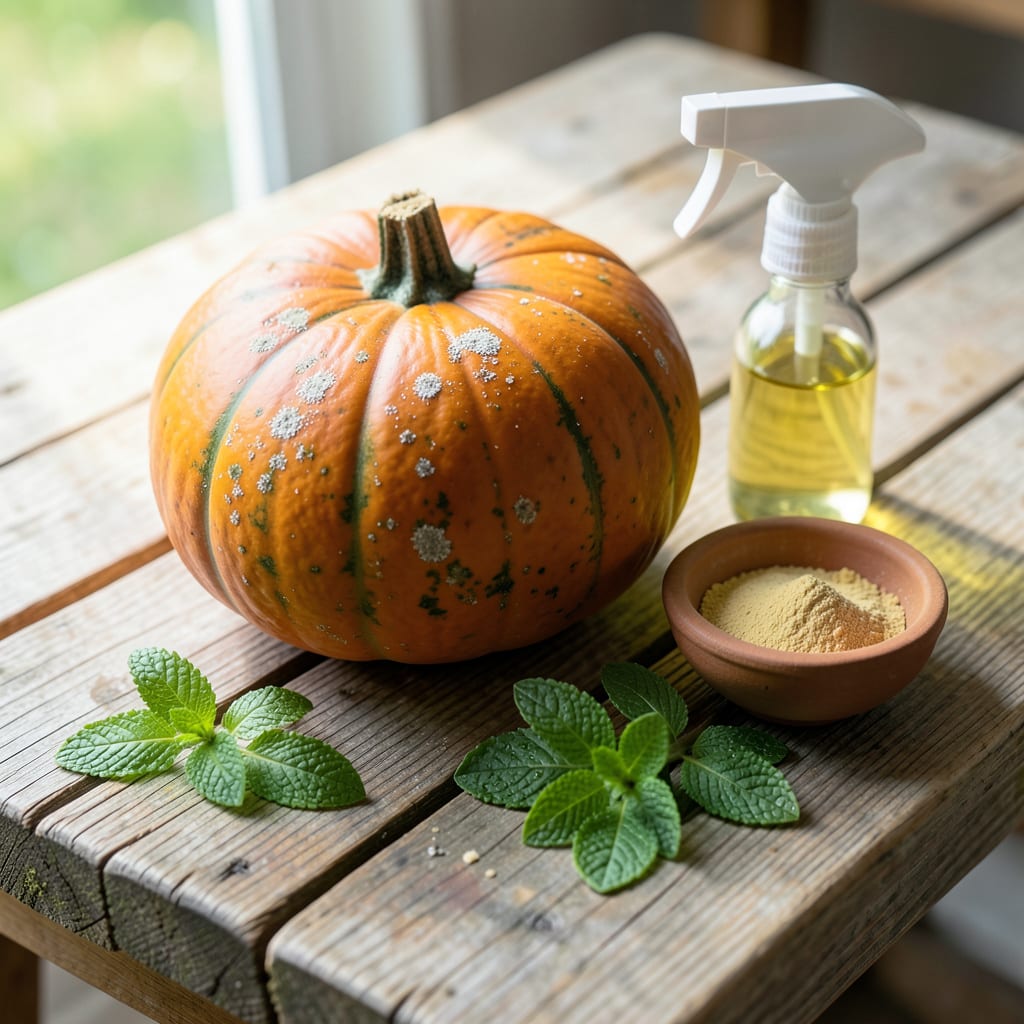
That white powder on your pumpkin leaves isn’t flour. I’ve lost entire patches to powdery mildew before learning the 3 organic fixes that actually work.
This fungus spreads fast in warm, dry days with cool nights—perfect fall weather. The key is catching it early before it weakens vines and stunts your harvest.
You’ll see leaves turn yellow, then crisp, but the right treatment can stop the spread in 48 hours. No fancy sprays required—just household items and good timing.
Works for all pumpkin varieties, from Jack-o’-lanterns to heirloom pie types. Here’s how to save your patch.
Powdery mildew on pumpkins is a common fungal disease triggered by specific environmental and cultural conditions. Understanding the root causes helps you prevent its spread and protect your crop. Below are the primary factors that create the perfect storm for this pesky fungus.
The fungus Podosphaera xanthii thrives in environments with high relative humidity (60-80%) but dry leaf surfaces. Unlike other fungal diseases, powdery mildew doesn’t need free water to germinate—just moisture in the air. When pumpkin vines grow in crowded spaces or poorly ventilated areas, humidity builds up, giving the spores a foothold. Evenings with heavy dew or foggy mornings can accelerate infection.
Dense plantings or overgrown foliage restrict airflow, trapping moisture around leaves. Pumpkins with thick canopies or those grown in shaded areas are especially vulnerable. Without proper ventilation, spores settle and multiply rapidly. Pruning excess leaves and spacing plants 3-5 feet apart can dramatically reduce risk.
Powdery mildew flourishes in temperatures between 68-80°F (20-27°C), with cool nights (50-60°F / 10-15°C) promoting spore production. These conditions are common in late summer and early fall—right when pumpkins are maturing. Fluctuating temperatures stress the plants, weakening their natural defenses against the fungus.
While the fungus doesn’t require wet leaves to infect, overhead watering (especially in the evening) can create prolonged leaf wetness, indirectly fostering ideal conditions. Water at the base of the plant early in the day to allow foliage to dry quickly. Drip irrigation is the safest choice for pumpkins prone to mildew.
Some pumpkin cultivars lack genetic resistance to powdery mildew. Heirloom varieties like ‘Howden’ or ‘Jack-O’-Lantern’ are often more vulnerable than modern hybrids bred for disease resistance. If mildew is a recurring issue, consider planting resistant varieties such as ‘Gladiator’ or ‘Magic Lantern’.
Powdery mildew doesn’t have to spell the end for your pumpkin patch. Here’s how to tackle it head-on, with practical fixes for every cause and smart prevention to keep your vines thriving.
Thick foliage traps humidity, creating a playground for mildew. Thin out leaves to let air flow freely—remove about 1/3 of the oldest or most crowded leaves, focusing on the plant’s center. Space pumpkin plants 5–6 feet apart at planting to prevent overcrowding. For existing plants, prune affected leaves immediately and dispose of them in the trash (not compost).
Wet leaves are mildew magnets. Water at the base of the plant using a soaker hose or drip irrigation system to keep foliage dry. If you must use a hose, water early in the morning so leaves dry quickly in the sun. Avoid evening watering, as cool, damp nights encourage fungal growth.
Reduce humidity around your pumpkins by mulching with straw to prevent soil splash (which spreads spores) and to retain moisture in the soil instead of the air. If your garden is in a humid climate, space plants farther apart or grow them on a trellis to improve airflow. A small fan on low can also help circulate air in greenhouses or enclosed spaces.
For active infections, remove and destroy heavily affected leaves or vines. Then, apply a homemade spray of 1 tablespoon baking soda + 1 teaspoon dish soap + 1 gallon of water. Spray weekly at the first sign of mildew, or use neem oil (follow label instructions) for a stronger organic option. Always spray in the early morning to avoid sunburn on leaves.
Yes! Mix 1 tablespoon baking soda + 1 teaspoon dish soap + 1 gallon water for an effective spray. Apply weekly at first signs, always in the early morning to prevent leaf burn.
You should see improvement within 48 hours of treatment if caught early. Remove heavily infected leaves first for best results. Consistent application prevents new outbreaks.
Yes, powdery mildew can spread to related plants like squash and cucumbers. Isolate affected pumpkins and avoid overhead watering to contain it. Always dispose of infected material in the trash.
Plant resistant varieties like ‘Gladiator’ or ‘Magic Lantern’, and rotate crops yearly. Improve airflow by spacing plants 5-6 feet apart and using trellises.
