
Beautiful Plants For Your Interior
Beautiful Plants For Your Interior
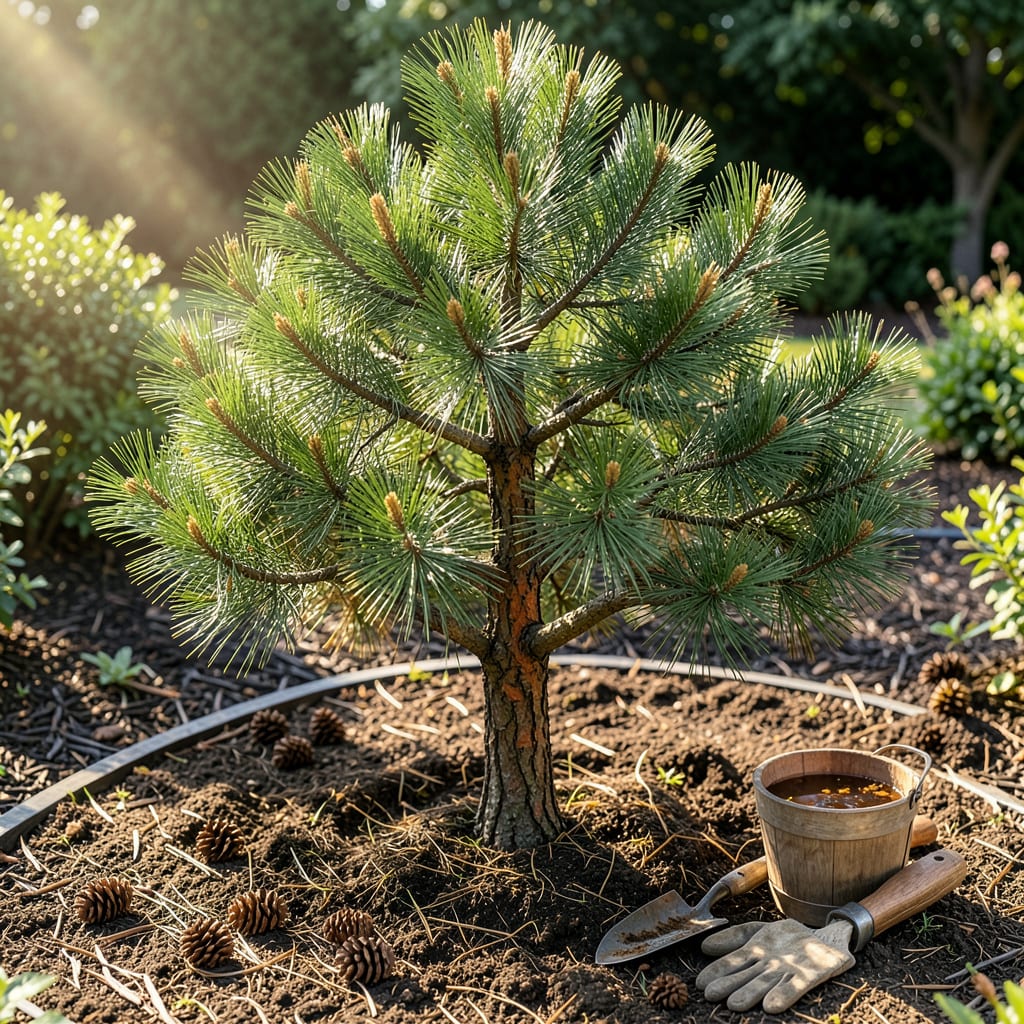
Nothing hits harder than watching a once-vibrant pine slowly turn brown. I’ve stood under dying branches, wondering what went wrong—was it drought, beetles, or something deeper in the soil?
Here’s the thing—browning often starts with stress. Too little water, too much, or an invisible pest slowly starving the tree. The good news? Most pines can bounce back with the right intervention.
You’ll spot the difference within 2-4 weeks of treatment: needles regaining color, new growth pushing through. Early action makes all the difference.
Works for young saplings or mature giants. Let’s figure out what your tree needs to thrive again.
A pine tree turning brown is often a sign of underlying stress, disease, or environmental factors. Understanding the root cause is the first step toward reviving your tree. Here’s a breakdown of the most common reasons:
Extreme weather conditions, such as drought, heatwaves, or frost damage, can cause needles to turn brown. Pines need consistent moisture, and prolonged dry spells disrupt their ability to absorb water and nutrients. Similarly, late spring frosts can damage new growth, leading to browning. Salt spray from roads in winter can also dehydrate needles, especially in exposed locations.
Several insects target pines, with pine bark beetles, sawflies, and spider mites being the most destructive. Bark beetles bore into the tree, disrupting nutrient flow, while sawfly larvae feed on needles, causing them to turn brown and drop. Spider mites thrive in hot, dry conditions, sucking sap from needles and leaving behind a stippled, discolored appearance. Check for tiny holes in the bark, sawdust-like frass, or webbing to confirm an infestation.
Fungi like Dothistroma needle blight, brown spot needle disease, or root rot can turn pine needles brown. Dothistroma creates distinctive red or brown bands on needles before they die, while brown spot causes mottling and premature needle drop. Root rot, often caused by Phytophthora or Armillaria, attacks the roots in waterlogged soil, starving the tree of water and nutrients. Yellowing or wilting needles paired with stunted growth may signal a fungal issue.
Pines require a balance of nitrogen, magnesium, and iron to stay healthy. A nitrogen deficiency often causes uniform yellowing of older needles, while magnesium or iron shortages lead to interveinal chlorosis (yellowing between needle veins). Poor soil quality or excessive competition from other plants can exacerbate these deficiencies, weakening the tree and making it more susceptible to browning.
Mechanical injuries from lawnmowers, construction, or improper pruning can damage a pine’s bark or roots, leading to localized browning. Even compaction from heavy foot traffic can suffocate roots, reducing their ability to absorb water. Additionally, herbicide drift from nearby treatments can cause chemical burns, resulting in brown or blackened needles.
Once you’ve identified why your pine tree is turning brown, these targeted fixes can help restore its health. Address each issue promptly to give your tree the best chance of recovery.
If dry soil is the culprit, water your pine deeply once a week during dry spells. Use a soaker hose to deliver moisture slowly at the base, ensuring it reaches the root zone (12–18 inches deep). Avoid shallow watering, which encourages weak roots. Prevention tip: 💡 Mulch around the base with 2–4 inches of wood chips to retain moisture and regulate soil temperature.
For bark beetles or sawflies, remove heavily infested branches and dispose of them far from the tree. Apply horticultural oil or neem oil to suffocate pests, or use insecticidal soap for active outbreaks. For severe cases, consult an arborist for systemic insecticides. Prevention tip: 🎯 Keep trees healthy with proper watering and fertilization to deter pests naturally.
Prune away infected branches (sterilize tools with rubbing alcohol between cuts!) and improve air circulation by thinning crowded areas. Apply a copper-based fungicide or baking soda solution (1 tbsp baking soda + 1 gallon water + 1 tsp dish soap) to affected areas. Prevention tip: ✨ Avoid overhead watering and clean up fallen needles/debris to reduce fungal spores.
If browning stems from compacted soil, aerate the root zone gently with a garden fork. For nutrient deficiencies, apply a slow-release, balanced fertilizer (10-10-10) in early spring or fall. If root damage from construction is suspected, minimize foot traffic and avoid parking heavy equipment nearby. Prevention tip: 🌡️ Test soil pH annually—pines prefer slightly acidic soil (5.0–6.5).
Water evergreens thoroughly in late fall before the ground freezes. Wrap young or vulnerable pines in burlap or use anti-desiccant sprays to reduce moisture loss. Avoid pruning in late summer, as new growth is more susceptible to winter damage. Prevention tip: ❄️ Plant pines in sheltered locations or use windbreaks to minimize exposure.
Water deeply once a week during dry spells, ensuring moisture reaches 12–18 inches deep. Shallow watering encourages weak roots, so use a soaker hose for slow, deep penetration.
Look for tiny holes in the bark, sawdust-like frass, or wilting needles. Early detection is key, as beetles disrupt nutrient flow, causing rapid browning.
Yes! Waterlogged soil leads to root rot, starving the tree of oxygen. Ensure good drainage and let the top 2–3 inches of soil dry between waterings.
Remove only dead or infected branches, and always sterilize tools with rubbing alcohol between cuts. Never prune more than 25% of the tree at once.
