
Beautiful Plants For Your Interior
Beautiful Plants For Your Interior
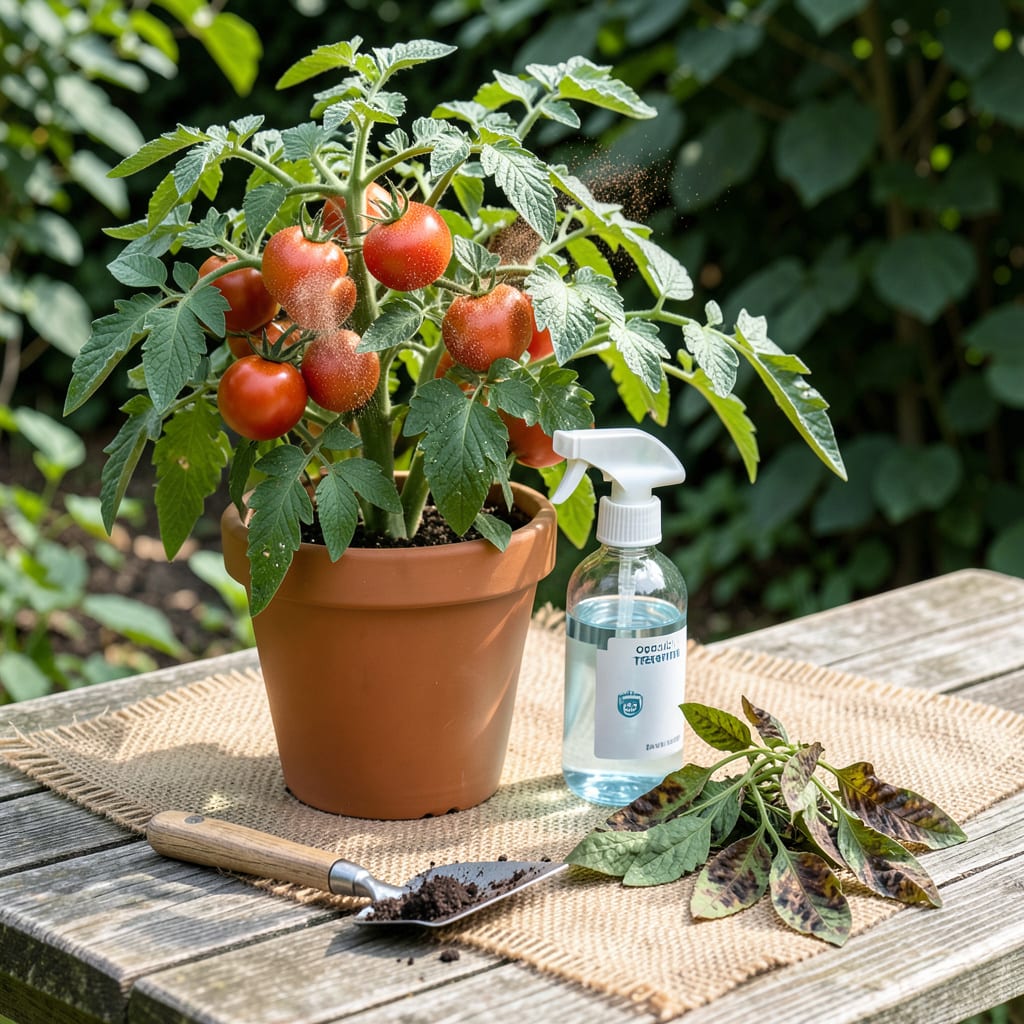
Spotted brown leaves on your tomatoes? That’s blight, and it moves fast. I lost an entire crop to it once—never again.
This isn’t just cosmetic. Left unchecked, blight turns healthy plants into crispy skeletons in days. The good news? Organic treatments work if you catch it early.
You’ll need to remove infected leaves first, then apply a copper-based spray or homemade remedy. Prevention is easier than cure, so we’ll cover that too.
Works for early and late blight, heirlooms and hybrids. Let’s save those plants.
Tomato blight is a frustrating but preventable issue, and understanding its root causes is the first step to keeping your plants healthy. Here’s why it happens:
Blight is primarily caused by fungal organisms, with Phytophthora infestans (late blight) and Alternaria solani (early blight) being the most common culprits. These fungi thrive in warm, humid conditions (60–80°F with high moisture) and spread rapidly through spores carried by wind, rain, or contaminated tools. Overhead watering or dense plant spacing creates the perfect environment for spores to germinate and infect leaves, stems, and fruit.
Tomato plants are prone to blight when their foliage stays wet for extended periods. Poor drainage, frequent rain, or improper irrigation (like sprinklers) keeps leaves damp, inviting fungal growth. Even dew can contribute if plants lack air circulation. Mulching can help, but over-mulching traps moisture—balance is key.
Blight fungi can overwinter in infected plant debris or soil, lying dormant until conditions are right. If you plant tomatoes in the same spot year after year without crop rotation, the pathogens remain active. Similarly, using unsterilized compost or tools that touched diseased plants spreads the fungus to healthy ones.
Stressed or nutrient-deficient plants are more susceptible to blight. Over- or under-fertilizing (especially with nitrogen) weakens their natural defenses. Compacted soil or root damage also reduces vigor, making it harder for tomatoes to fend off infections. Varieties with genetic resistance (e.g., ‘Mountain Merit’ or ‘Defiant’) are less vulnerable but not immune.
Once blight strikes, act fast to save your tomatoes. Below are targeted solutions for early blight and late blight, plus prevention tips to keep your garden healthy next season.
Start by removing infected leaves at the first sign of brown spots with concentric rings. Use clean scissors and dispose of the debris in sealed bags—never compost it. Next, apply a copper-based fungicide or a DIY mix of 1 tbsp baking soda + 1 tsp mild soap + 1 gallon water, spraying every 7–10 days or after rain. Prune lower leaves to improve airflow, and mulch with straw to prevent soil splashing onto plants.
Prevention tip: 💡 Rotate crops yearly, and choose blight-resistant varieties like ‘Mountain Merit’ or ‘Defiant PhR’.
Late blight spreads aggressively, so pull and destroy entire infected plants immediately. Avoid working with wet foliage to limit spores. If the outbreak is mild, try a potassium bicarbonate spray (similar to baking soda but stronger) or neem oil as a temporary barrier. Replace infected soil or solarize it with clear plastic for 4–6 weeks to kill lingering spores.
Prevention tip: 🌡️ Space plants 2–3 feet apart for airflow, and water at the base (never overhead) to keep leaves dry.
Pro tip: 🎯 Start seeds in fresh, sterile potting mix to avoid introducing spores early.
Blight can spread through a garden in just 2-3 days under ideal conditions. Warm, wet weather accelerates growth, so check plants daily during humid periods.
Late blight is aggressive—remove infected plants immediately to protect others. If caught early, copper fungicides may slow it, but prevention is key.
A baking soda spray (1 tbsp baking soda + 1 tsp soap + 1 gallon water) works well for early blight. Apply every 7-10 days or after rain.
