
Beautiful Plants For Your Interior
Beautiful Plants For Your Interior
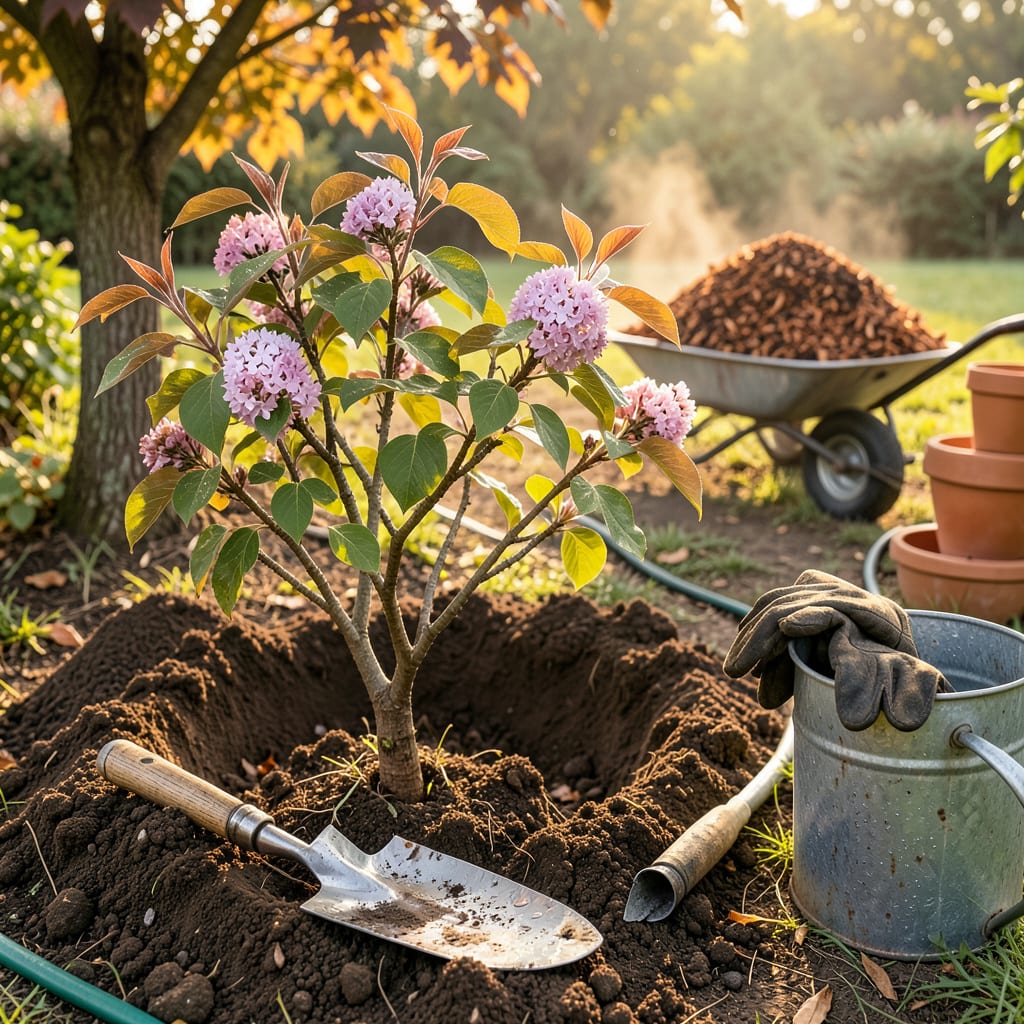
Moving a lilac bush feels like relocating a sleeping giant—do it right, and you’ll get explosion of blooms next spring. I’ve transplanted dozens over the years, and the ones that thrive always follow this rule: timing and root care matter more than muscle. Early fall or just-before-bud-break in spring are your only windows; miss them, and you’re fighting the plant’s natural rhythm.
What most gardeners don’t realize? Lilacs bounce back faster than you’d expect—if you handle the root ball like it’s made of eggshells and water like you’re trying to wake it up, not drown it. The trick isn’t digging a bigger hole; it’s keeping those roots damp and undisturbed from first shovel to final pat-down. You’ll know you nailed it when new leaves push through by week three.
📚 In This Guide
Moving established lilacs doesn’t have to be stressful—follow this method for healthy roots and abundant blooms next spring.
Early fall (after leaves drop but before ground freezes) is ideal for transplanting lilacs. This timing gives roots 6-8 weeks to establish before winter dormancy. I avoid spring moves because lilacs focus energy on blooming then, not root recovery.
Dig the new hole first—twice as wide as the root ball and exactly as deep. I test the depth by placing the shovel handle across the hole; the top of the root ball should sit 1-2 inches above surrounding soil to allow for settling. Amend the backfill soil with compost if your native soil is heavy clay.
Before digging, prune the lilac back by one-third of its height. This reduces water loss through leaves and balances the root-to-top growth ratio. I use clean bypass pruners to make angled cuts just above outward-facing buds—this encourages healthy new branching.
Water the shrub deeply 24 hours before moving. Moist soil holds the root ball together better during transplant. I tie branches loosely with twine to protect them during the move, especially for larger specimens.
Start digging 12-18 inches out from the main stem to preserve feeder roots. Use a sharp spade to cut cleanly around the root ball, working in a circle. For established lilacs, expect a root ball 18-24 inches wide—don’t skimp on size or you’ll lose critical roots.
Lift the plant by the root ball, not the trunk. I slide a tarp under large specimens to drag them without breaking roots. Place it immediately in the new hole at the same depth it grew before—you should see the soil line on the trunk. Backfill with native soil, tamping gently to eliminate air pockets.
Water thoroughly right after planting—1-2 gallons for small shrubs, 3-5 gallons for large ones. The goal is to saturate the entire root zone. I create a temporary soil berm around the edge of the hole to act as a water basin, ensuring moisture soaks down instead of running off.
Apply 2-3 inches of organic mulch (wood chips or shredded bark) over the root zone, keeping it 3 inches away from the trunk. Mulch retains moisture and insulates roots, but piled against the stem it invites rot and rodent damage.
Check soil moisture weekly—lilacs need consistent moisture during establishment but hate soggy roots. Stick your finger 2 inches deep; if it feels dry, water deeply. I reduce watering frequency gradually over 4-6 weeks as roots establish.
Don’t fertilize the first year—new roots are sensitive to chemical burns. Remove any blooms that form next spring (I know it’s painful) to direct energy toward root growth. By the second season, your lilac will reward you with its signature fragrant clusters.
Here’s what I’ve learned from years of moving lilacs—small details that make a huge difference in survival rates.
Timing is Everything: The 6-8 week window mentioned in Step 1 isn’t just a suggestion—it’s critical. I’ve found that transplanting too early in fall (when leaves are still green) causes unnecessary stress, while waiting until ground starts freezing risks root damage. Watch your local weather and aim for that sweet spot when nights are cool but soil is still workable.
Root Ball Protection: When digging 12-18 inches out as directed in Step 3, use a sharp spade and make clean cuts. I learned the hard way that tearing roots with a dull tool sets the plant back. For large lilacs, wrap the root ball in burlap during the move to prevent soil from crumbling away—this preserves those precious feeder roots.
Watering Wisdom: The 1-2 gallons for small shrubs and 3-5 gallons for large ones in Step 4 isn’t arbitrary. I use this trick: after watering, wait 10 minutes then dig a small hole 6 inches deep near the edge of the root zone. If it’s moist at the bottom, you’ve watered enough. If dry, add another gallon. This prevents both under- and over-watering.
Pruning Precision: That one-third reduction in Step 2 might seem drastic, but it’s non-negotiable for large specimens. I once skipped this with a 10-foot lilac and lost half the leaves to transplant shock. Make your cuts at a 45-degree angle just above outward-facing buds—this directs new growth away from the center for better air circulation.
Early fall (September–October) is ideal, as cooler temps and moist soil help roots establish before winter. Spring (right after blooming) works too, but avoid extreme heat. Never transplant during active flowering—it stresses the plant and reduces next year’s blooms.
Yes, but it’s tricky! For bushes over 6 feet tall, prune back one-third of the branches first to reduce shock. Dig a wide root ball (12+ inches per inch of trunk diameter) and water deeply for weeks post-move. Expect a recovery year with fewer blooms.
Watch for wilting leaves, yellowing foliage, or no new growth after 4–6 weeks. Check soil moisture (too dry or soggy?) and trim dead branches. If the plant doesn’t leaf out by late spring, it may not have survived—replace it the following fall.
What’s the fastest way to revive a transplanted lilac?
Prioritize consistent watering (1–2 inches weekly) and mulch (2–3 inches of shredded bark) to retain moisture. Avoid fertilizer the first year—it encourages leaves over roots. Prune only dead wood, not healthy stems, to reduce stress and redirect energy. Risky, but possible in emergencies. Choose a cloudy day, dig extra-wide to preserve roots, and water daily for 2 weeks. Shade the plant with burlap for a week post-move. Expect higher shock rates—fall transplanting is still safer!
4
Can I transplant lilacs in summer if I’m careful?
