
Beautiful Plants For Your Interior
Beautiful Plants For Your Interior
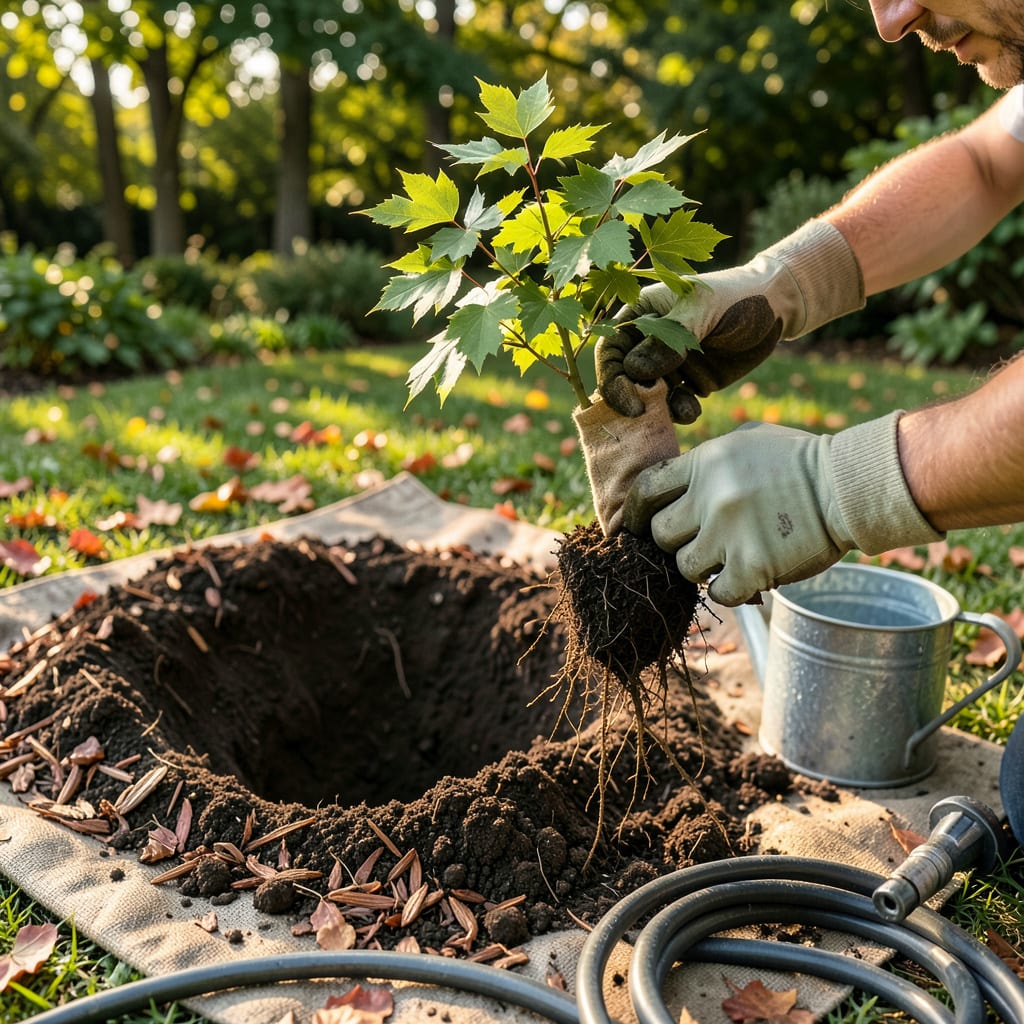
Moving a tree doesn’t have to be a gamble. I’ve transplanted dozens of trees—from delicate Japanese maples to towering oaks—and the difference between success and failure comes down to three critical factors: timing, root preservation, and aftercare. The right technique means your tree won’t just survive the move; it’ll thrive in its new location with minimal stress.
This method eliminates the guesswork. You’ll learn exactly when to transplant (hint: early spring or late fall is ideal), how to dig a root ball that keeps the tree nourished, and the post-move care routine that prevents shock. No horticulture degree required—just precise steps that work for both saplings and mature specimens. The results speak for themselves: established trees that leaf out on schedule and grow stronger each season.
📚 In This Guide
Here’s exactly how I move trees with perfect success—no guesswork, no casualties.
Transplant in early spring before buds break or fall after leaves drop—never in summer heat. I mark the new location first, digging a hole twice as wide as the root ball but no deeper than the current root flare. This prevents sinking.
Test drainage by filling the hole with water. If it doesn’t drain within 30 minutes, amend with compost or choose another spot. Roots suffocate in soggy soil, and that’s the fastest way to lose a tree after transplanting.
A week before moving, I water the tree deeply daily—1 inch of water per day for small trees, 2 inches for larger ones. This ensures the root ball stays intact. Then I use a sharp spade to cut a 12-inch diameter circle around the trunk for every inch of trunk diameter.
This root pruning forces the tree to grow new feeder roots within the ball you’ll move. You’ll feel resistance when cutting—those are the roots you want to keep. Don’t skip this step; it’s what prevents transplant shock.
Start digging 12-18 inches out from the pruned circle, working your way down to create a cone-shaped root ball. For a 2-inch diameter trunk, aim for a 24-inch wide ball. Wrap the root ball in burlap immediately to hold soil in place.
Lift by the root ball, not the trunk—this is critical. I slide a tarp under the ball to drag it without breaking roots. Move quickly to the new hole and position it so the root flare sits 1-2 inches above ground level. Backfill with native soil only—no amendments.
Water immediately with 5 gallons per inch of trunk diameter, then add 3-4 inches of mulch in a 3-foot diameter circle, keeping it 2 inches away from the trunk. This prevents rot while retaining moisture.
For the first 2 weeks, water every 2-3 days—even if it rains. Check moisture by digging 3 inches deep near the root ball. It should feel like a wrung-out sponge. Overwatering is less risky than underwatering in these early days.
Watch for wilting leaves in the first 4-6 weeks. Some leaf drop is normal, but if branches droop by midday, increase water. I only stake if the tree can’t stand upright in a gentle breeze—use two stakes with soft ties that allow slight movement.
Remove stakes after one growing season maximum. Trees develop stronger trunks when allowed to sway naturally. Avoid fertilizing the first year—it forces top growth before roots establish, which actually increases shock risk.
Let me share the hard-won lessons that separate successful tree transplants from disappointing failures.
Timing is Everything: The early spring/fall window mentioned in Step 1 isn’t just suggestion—it’s critical. I’ve lost trees by transplanting just two weeks too late in spring when buds started swelling. That dormant period before growth begins is your golden window. Never attempt this in summer heat when trees are actively growing and most vulnerable to shock.
Root Pruning Precision: In Step 2, that 12-inch diameter circle per inch of trunk isn’t arbitrary. I use a measuring tape to mark exact distances before cutting—eyeballing leads to root balls that are either too small (causing shock) or unnecessarily large (making the move harder). The resistance you feel when cutting? Those are the structural roots that anchor your tree—preserve them at all costs.
Watering Wisdom: The 5 gallons per inch of trunk diameter in Step 4 isn’t overkill. I use a 5-gallon bucket with holes punched in the bottom placed at the drip line—this slow-release method ensures deep saturation without runoff. And that “wrung-out sponge” moisture check? Dig your finger in 3 inches deep at multiple points around the tree. One dry spot means you need to water more, even if other areas feel moist.
Staking Strategy: Most people over-stake. In Step 5, remember that slight movement actually strengthens the trunk. I use two stakes placed opposite each other with soft tree ties that allow about 2 inches of sway. Remove them after one growing season maximum—leaving stakes too long creates weak, dependent trees that can’t support themselves.
Most homeowners can safely transplant trees with trunks under 2 inches in diameter. Larger trees (3–4 inches) require professional equipment and expertise to avoid root damage. For mature trees (5+ inches), consider hiring an arborist—root balls can weigh thousands of pounds! Smaller = easier survival.
Early spring (before buds swell) or fall (after leaves drop) are ideal—cool temps and dormant growth reduce shock. Avoid transplanting in summer heat or winter freeze. Evergreens prefer early spring; deciduous trees thrive in fall. Check your USDA zone for exact timing!
Water deeply 2–3 times per week for the first 3 months (unless rain does the job). Aim for 1–1.5 gallons per inch of trunk diameter per watering. Use a slow drip to avoid runoff. After 3 months, taper to weekly watering unless drought strikes. Overwatering = root rot!
Not for mature trees—but young saplings (under 1 year) can sometimes be bare-root transplanted if done in dormancy. For larger trees, root pruning 6–12 months before moving helps. Alternatives: air-layering (for clones) or container-growing (to delay planting).
Don’t panic! Transplant shock is normal. Check soil moisture (stick your finger 2 inches deep—dry? Water!). Prune only dead branches (not healthy growth). If leaves are brown and crispy, it’s thirsty; if yellow and droopy, it’s stressed. Mulch (2–3 inches) to retain moisture and avoid fertilizer for 6 months.
