
Beautiful Plants For Your Interior
Beautiful Plants For Your Interior
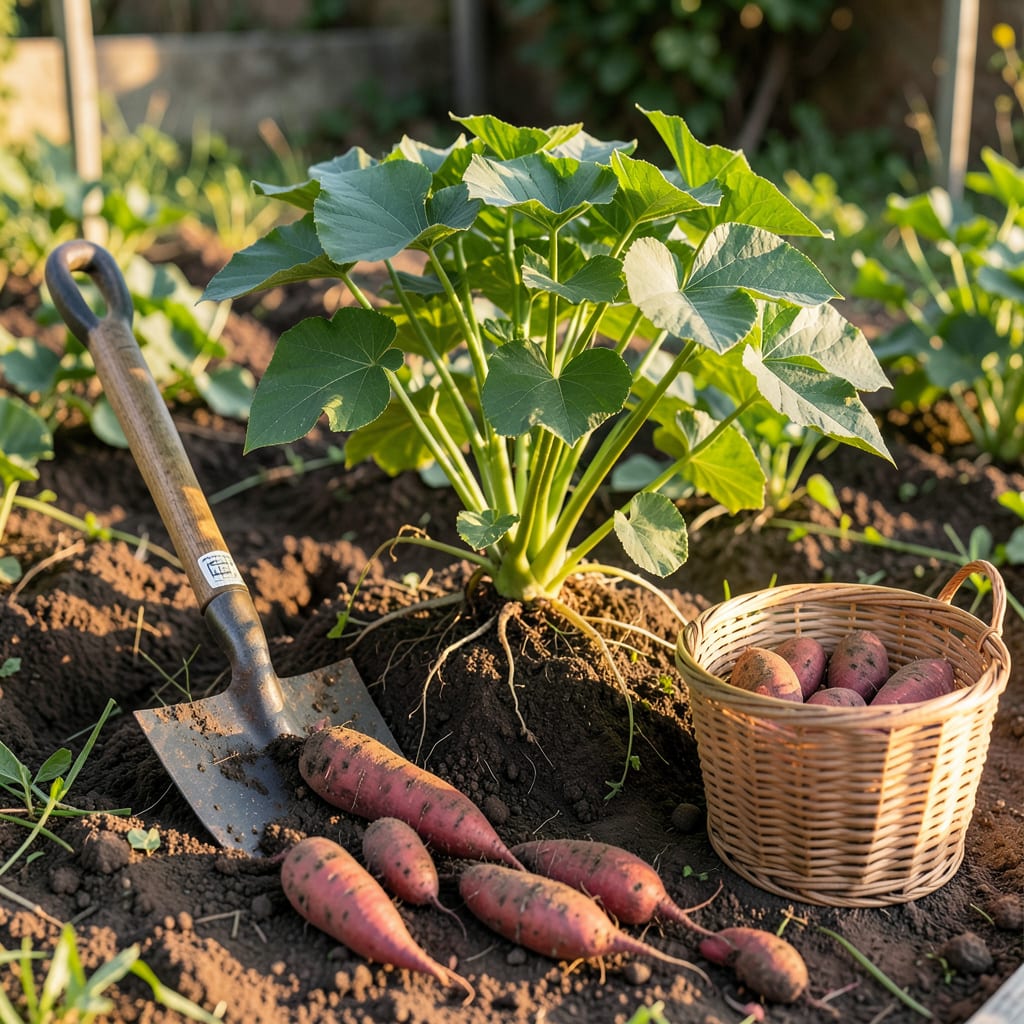
I used to struggle with knowing when my 🍠 Sweet Potatoes were ready, until I learned to watch for the subtle signs. The vines tell you everything if you know what to look for.
From yellowing leaves to soil behavior, there are clear indicators that your crop has reached its peak. Let me show you how to read these signals for a perfect harvest.


I’ve learned that sweet potatoes give clear signals when they’re ready to come out of the ground. The most obvious sign is when the vines start yellowing and wilting, which typically happens 90-120 days after planting.
Another key indicator is the soil mounding around the base of the plant. This happens as the tubers expand underground, pushing the soil upward. If you notice this, your crop is likely nearing maturity.
| Maturity Sign | Description |
|---|---|
| Yellowing leaves | Leaves turn yellow or brown as the plant matures. |
| Vine wilting | Vines begin to die back naturally. |
| Soil mounding | Dirt rises as tubers grow underground. |
| Firm skin | Skin hardens and resists scratching. |
I always check the skin firmness as another sign of readiness. Gently scratch the surface of a test tuber—if the skin resists, it’s a good sign your sweet potatoes are mature.
Timing also matters. In most regions, sweet potatoes are ready for harvest in late summer or early fall, just before the first frost. I make it a point to harvest before soil temperatures drop below 55°F.
If you’re growing in a shorter season area, look for these signs around the 90-day mark. In warmer climates, you might wait up to 120 days for the best results.
The size of the tubers is also a great indicator. Mature sweet potatoes are usually 3-4 inches in diameter. If they’re smaller, they might need more time to develop.
I’ve found that consistent watering helps the tubers reach their full size. However, I reduce watering as harvest time approaches to prevent cracking or splitting.
Finally, pay attention to the weather forecast. If frost is expected, it’s time to harvest immediately, regardless of other signs. Frost can damage the tubers and ruin your crop.
By combining these visual cues and timing tips, you’ll know exactly when to dig up your sweet potatoes for the best yield 🌱
I always use the finger test to check my sweet potatoes without disturbing the plant. Gently push your fingers 2-3 inches into the soil near the base and feel for tubers.
If they feel firm and plump, they’re likely ready. This method is especially useful when the vines are still green but you suspect maturity based on planting date.
Another trick I use is the gentle lift test. Carefully lift a small section of the vine and check the tubers attached to it. If they’re 3-4 inches in diameter, the rest are probably ready too.
I also pay attention to the soil temperature. Sweet potatoes stop growing when soil drops below 55°F, so if temperatures are falling, it’s time to harvest regardless of other signs.
For the most accurate check, I combine the finger test with observing the vine condition. If both indicate maturity, I’m confident it’s time to harvest.
These non-destructive methods help me confirm readiness while keeping my sweet potato plants healthy and undisturbed 🌱
I’ve seen many gardeners harvest too early because they misread the signs. Just because the vines are long doesn’t mean the tubers are ready. They need time to develop properly underground.
Another common mistake is ignoring frost warnings. Sweet potatoes are sensitive to cold, and even a light frost can damage the tubers. Always check the forecast as harvest time approaches.
⚠️ Warning: Harvesting too soon after rain can lead to cracked tubers. Wait for the soil to dry slightly before digging.
Some gardeners also misjudge vine health. If the vines are still vibrant and green, the tubers may not be mature. Yellowing or wilting is a much better indicator of readiness.
I’ve learned the hard way that waiting too long can be just as problematic. Overmature sweet potatoes can become woody or stringy, losing their sweet flavor and tender texture.
To avoid these mistakes, I always combine multiple indicators. If the vines are yellowing, the soil is mounding, and the skin is firm, it’s time to harvest. Don’t rely on just one sign.
By staying attentive to these details, you’ll harvest your sweet potatoes at the perfect time every season 🌿
Harvesting too soon means tubers will be small, underdeveloped, and lack sweetness. The skin will also be thin and easily damaged.
Yes, but don’t wait too long. Tubers can still grow for 1-2 weeks after vine dieback, but risk cracking or rotting if left in cold, wet soil.
Check local weather forecasts for temperatures below 50°F. Harvest immediately if frost is predicted, as even light frost can damage tubers.
No, combine size (3-4 inches) with other signs like yellowing vines and firm skin. Relying on size alone may lead to premature harvesting.
