
Beautiful Plants For Your Interior
Beautiful Plants For Your Interior
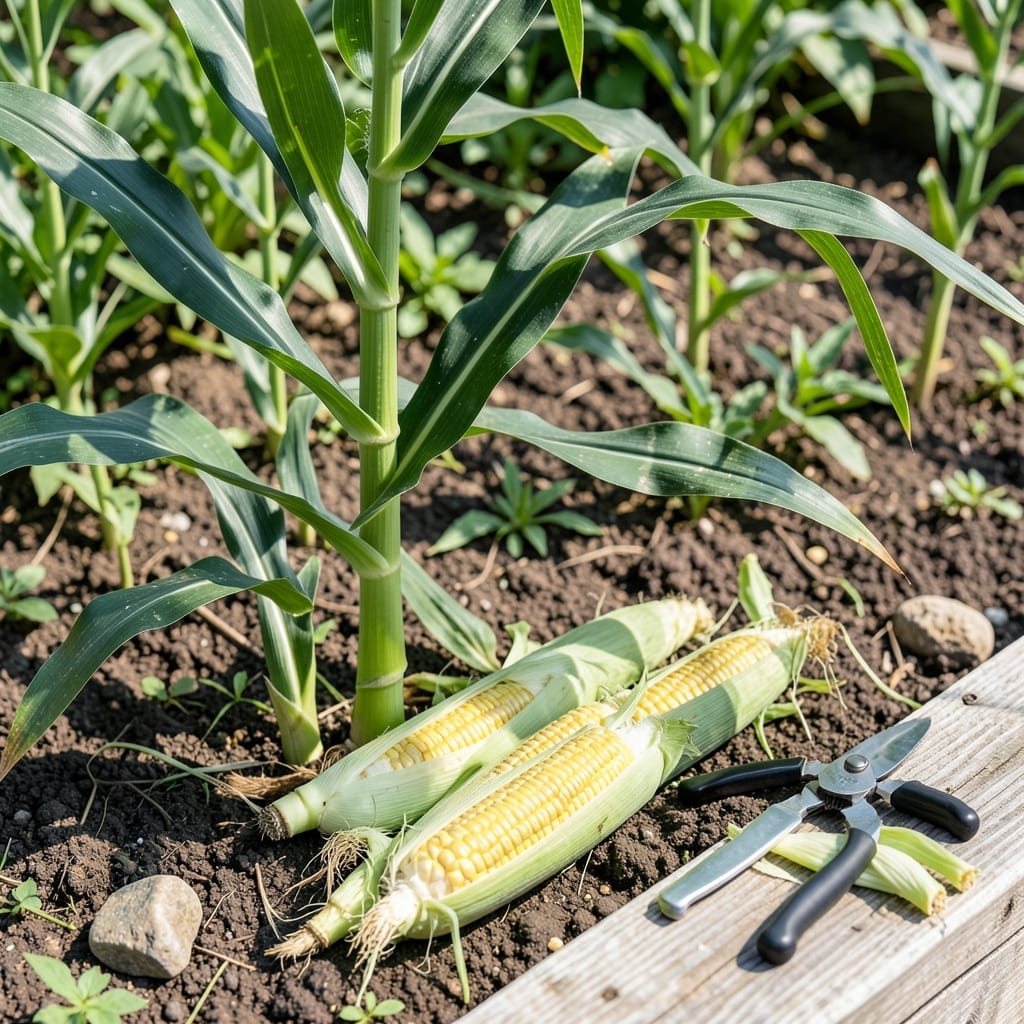
There’s nothing quite like biting into a perfectly ripe ear of 🌽 Sweet Corn. But knowing the exact moment to pick can be tricky, and timing is everything for that sweet, juicy flavor.
I’ve learned the hard way that waiting for the right signs makes all the difference. The good news? Sweet Corn gives us clear visual cues when it’s ready.
Discover the simple tricks to check for ripeness and ensure your harvest is the best it can be. Let’s get started.


Timing your sweet corn harvest perfectly is both an art and a science. I’ve found that relying on visual cues is far more reliable than counting days since planting. The most telling signs appear right on the ear itself.
Start by examining the silks at the top of each ear. When they turn from fresh green to a brown, dry texture, it’s your first clue that the kernels might be ready inside. But don’t stop there—this is just the beginning of your ripeness check.
| Ripeness Sign | What to Look For |
|---|---|
| Silk Color | Brown and dry |
| Ear Shape | Plump and rounded |
| Kernel Texture | Firm and milky |
| Husk Appearance | Green and tight |
The ear’s shape is another giveaway. When ready, it should feel plump and full when you gently squeeze it through the husk. Immature ears often feel slender or empty in comparison.
For the most accurate test, I always peel back the husk just enough to check the kernels. Press one with your fingernail—if it releases a milky white liquid, your corn is at its peak sweetness. Clear liquid means it’s not ready yet.
Pay attention to the kernel arrangement too. They should be fully formed and evenly spaced in tight rows. If the kernels look underdeveloped or sparse, give them more time.
The husk itself should be green and fresh-looking, not yellowed or dried out. While some browning at the edges is normal, a completely dry husk might indicate the corn is past its prime.
I’ve noticed that morning harvests often yield the sweetest corn, as the sugar content is highest after a cool night. But the visual signs we’ve discussed remain the most reliable indicators regardless of the time of day.
Remember that different varieties may mature at slightly different rates. My ‘Golden Bantam’ usually matures faster than ‘Silver Queen‘, so I check each variety separately.
With practice, you’ll develop an eye for these signs. I recommend checking a few ears from different parts of your patch, as they won’t all ripen at exactly the same time. This way, you can stagger your harvest and enjoy fresh corn over several days. ☀️
I’ve made my share of corn harvesting mistakes over the years, and I want to help you avoid them. The most common error is relying solely on days since planting. While 80-100 days is typical, weather and variety affect maturity.
Another frequent misstep is ignoring silk dryness. I once picked ears with green silks thinking they were ready, only to find immature kernels inside. Always check that silks are brown and dry first.
⚠️ Warning: Don’t judge ripeness by husk color alone. A green husk doesn’t guarantee ready corn—always check the silk and kernels too.
Many gardeners also misjudge the milk stage. I learned that clear liquid from kernels means they need more time, while milky liquid signals peak ripeness. The dough stage (thick paste) means you’ve waited too long.
Using the wrong testing method can damage your crop. Instead of piercing deeply, gently press a kernel with your fingernail. This prevents unnecessary harm to developing ears.
I recommend checking multiple ears from different plants, as they won’t all mature simultaneously. This helps you gauge overall readiness and plan your harvest schedule effectively.
Remember that early morning is ideal for testing, as corn is most hydrated then. But avoid harvesting in wet conditions, which can promote mold growth in storage.
With these tips, you’ll avoid the pitfalls that lead to underripe or overmature corn. I’ve found that patience and observation are the keys to perfect timing. 🌽