
Beautiful Plants For Your Interior
Beautiful Plants For Your Interior
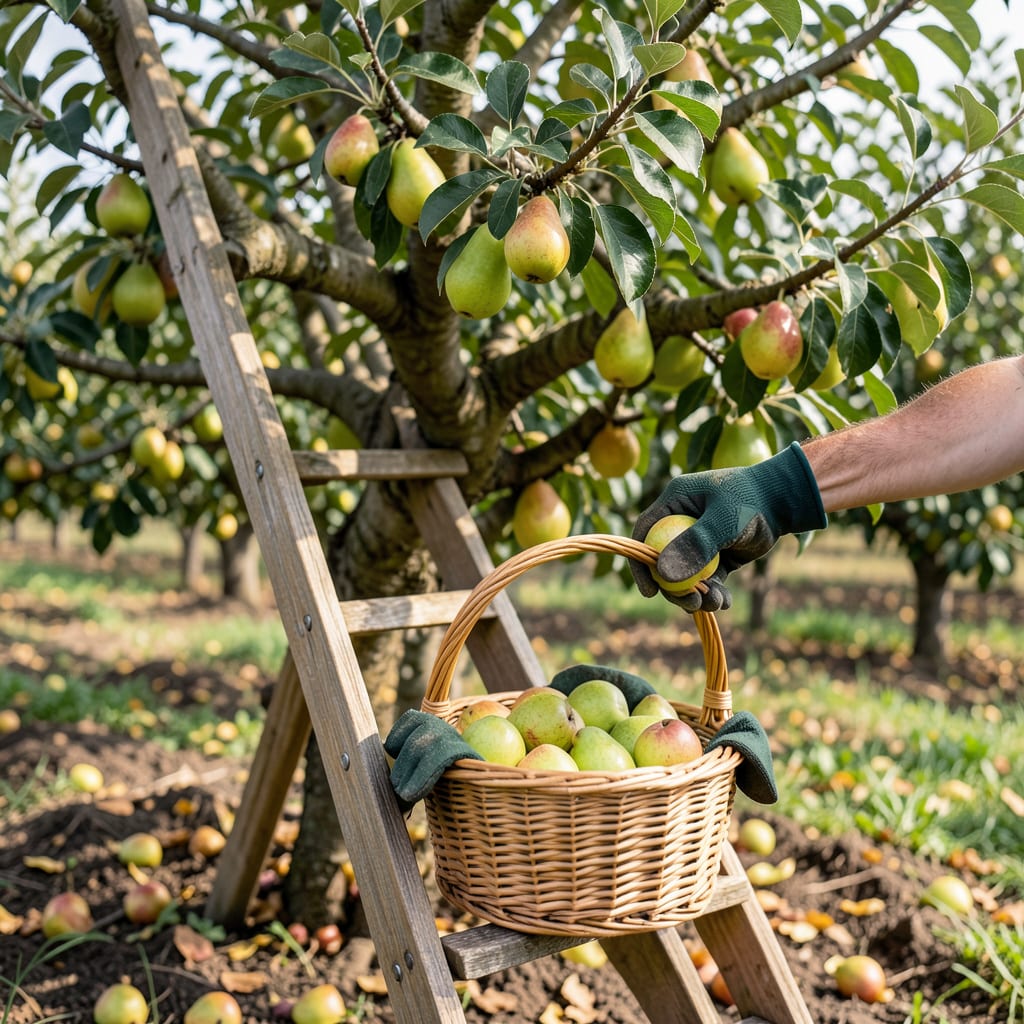
There’s nothing worse than watching your 🍐 pears rot on the branch because you waited too long—or biting into a rock-hard fruit you picked too soon. Timing is everything when it comes to harvesting pears, and the window is surprisingly narrow.
I’ve seen even experienced gardeners get it wrong, but the good news? A few simple tricks reveal exactly when your pears are at their peak. From color shifts to the gentle twist test, I’ll show you how to nail the harvest every time—no guesswork required.


Pears don’t ripen like other fruits—they need to be picked at just the right stage to reach their full potential. Unlike apples, pears ripen from the inside out, which means waiting too long on the tree leads to mushy, overripe fruit.
I’ve learned the hard way that timing is everything. The good news? Your pear tree gives you clear signals when it’s go time. Here’s how to read those signs like a pro, whether you’re growing Bartletts, Boscs, or Anjous.
Let’s dive deeper into each sign. The color change is often the first clue, but it’s tricky because some varieties (like Anjou) stay green even when ripe. Instead, look for a loss of glossiness—the skin becomes slightly matte.
The twist test is my favorite method because it’s foolproof. If the pear resists, leave it for 2-3 more days and test again. Pears picked too early won’t ripen properly off the tree, so patience pays off.
For texture checks, avoid squeezing the middle of the fruit—focus on the neck near the stem. This area softens first. If it yields to gentle pressure, you’re in the sweet spot. Too firm? Wait. Too soft? Harvest immediately.
Don’t overlook the aroma test. Ripe pears emit a delicate, floral scent near the stem. If you smell nothing, the fruit isn’t ready. A strong, fermented odor? You’ve waited too long, and the core may be browning.
Remember, weather impacts ripening. Hot spells speed up maturity, while cool temps slow it down. After a heatwave, check your pears daily—they can go from perfect to overripe in 48 hours.
If you’re growing multiple varieties, keep notes on which ripen first. Bartletts often mature 2-3 weeks earlier than Bosc or Anjou. This helps you stagger harvests and avoid a frantic picking marathon.
Finally, trust your instincts. If most pears on the tree show 3+ ripeness signs, it’s time to harvest—even if a few lag behind. Pears don’t ripen uniformly, so prioritize the ready ones and let the rest catch up.
Not all pears ripen the same way—or on the same timeline. The Bartlett you love for canning will be ready weeks before your crisp Bosc pears. Knowing your variety’s quirks prevents a harvest disaster.
I’ve watched gardeners pull entire crops too early because they assumed all pears follow the same rules. Spoiler: They don’t. Below is your cheat sheet for timing each type perfectly, from the early-season Bartletts to the late-blooming Anjou.
| Variety | Harvest Window | Color at Ripeness | Texture Clue |
|---|---|---|---|
| Bartlett | Early August to mid-September | Bright yellow (red blush if Red Bartlett) | Very soft near stem, separates easily |
| Bosc | Mid-September to October | Stays greenish-brown, loses shine | Firm but stem twists off cleanly |
| Anjou | Late September to November | Light green to yellow (red Anjou stays red) | Slight give at neck, mild fragrance |
| Comice | Mid-October to November | Green-yellow with red blush | Buttery soft when ripe, strong aroma |
| Seckel | Late August to September | Dark red-mahogany | Tiny but firm until ripe, then slightly soft |
Bartletts are your early birds—they’ll fool you by turning yellow before they’re truly ripe. Wait until they detach with a gentle twist and smell faintly sweet. Picked too soon, they’ll stay hard and mealy.
Bosc pears are the tricksters—they stay firm and greenish even when ready. The secret? Their skin loses its glossy sheen, and the stem separates with a quarter-turn. Don’t wait for softness; they ripen best off the tree.
Anjou and Comice are late-season stars, often holding firm until October. Anjou’s skin lightens slightly, while Comice develops a buttery texture and rich aroma. Both benefit from a short post-harvest ripening at room temp.
Pro tip: Label your trees if you grow multiple varieties. I use colored ribbons—yellow for Bartlett, green for Bosc—to track harvest windows. And always taste-test one pear first; if it’s sweet and juicy, the rest are ready!
Remember, cool fall weather slows ripening, while late-summer heatwaves speed it up. Adjust your timeline if temps stray from the norm. When in doubt, pick a test pear and let it ripen indoors for 2-3 days—if it softens and sweetens, harvest the rest.
🍐Even seasoned gardeners make critical errors when harvesting pears. The most common? Picking too early—thinking they’ll ripen fine off the tree. Spoiler: They won’t. Pears need that final tree time to develop sugar and texture.
Another big blunder? Ignoring weather impacts. A sudden heatwave can rush ripening, while a cold snap stalls it. I’ve lost entire crops by not adjusting my harvest timeline to match the forecast.
Many gardeners also mishandle pears post-harvest. Stacking them in a pile causes bruising, and refrigerating unripe fruit halts ripening. Instead, store them in a single layer at room temp until they yield to gentle pressure.
Here’s a pro tip: Twist, don’t pull. Yanking pears damages the stem and tree branches. Use a gentle quarter-turn—if it resists, it’s not ready. For high branches, invest in a fruit picker tool with a soft grip to avoid bruising.
Don’t forget about wildlife competition. Birds and squirrels know when pears are ripe—sometimes before you do! If you spot peck marks or missing fruit, harvest immediately, even if they’re slightly underripe. A little counter-ripening beats losing the crop.
Finally, label your harvest dates. Use sticky notes or a garden journal to track which varieties ripen when. Next year, you’ll know exactly when to start testing—no more guessing games. Trust me, your future self (and taste buds) will thank you! 🍐
The gentle twist test is foolproof. Hold the pear and give it a quarter-turn. If it separates easily from the stem, it’s ready. No tugging? Leave it for 2-3 more days and test again.
Yes, but only if picked at the right stage. Pears ripen from the inside out, so they need to be mature (but still firm) when harvested. Store at room temp in a single layer until they yield to gentle pressure.
Varieties like Bosc and Anjou often stay greenish. Look for a duller skin finish (less glossy) and a sweet aroma near the stem. The stem should also twist off cleanly when ready.
Only 3-5 days max! Overripe pears turn mushy and ferment quickly. Check daily once they start ripening, especially after hot weather. Harvest immediately if you notice a strong, wine-like smell.
Early morning is ideal—fruit is firmer and cooler, reducing bruising. Avoid harvesting after rain or in midday heat, when pears are soft and prone to damage. Use a soft fruit picker for high branches.
