
Beautiful Plants For Your Interior
Beautiful Plants For Your Interior
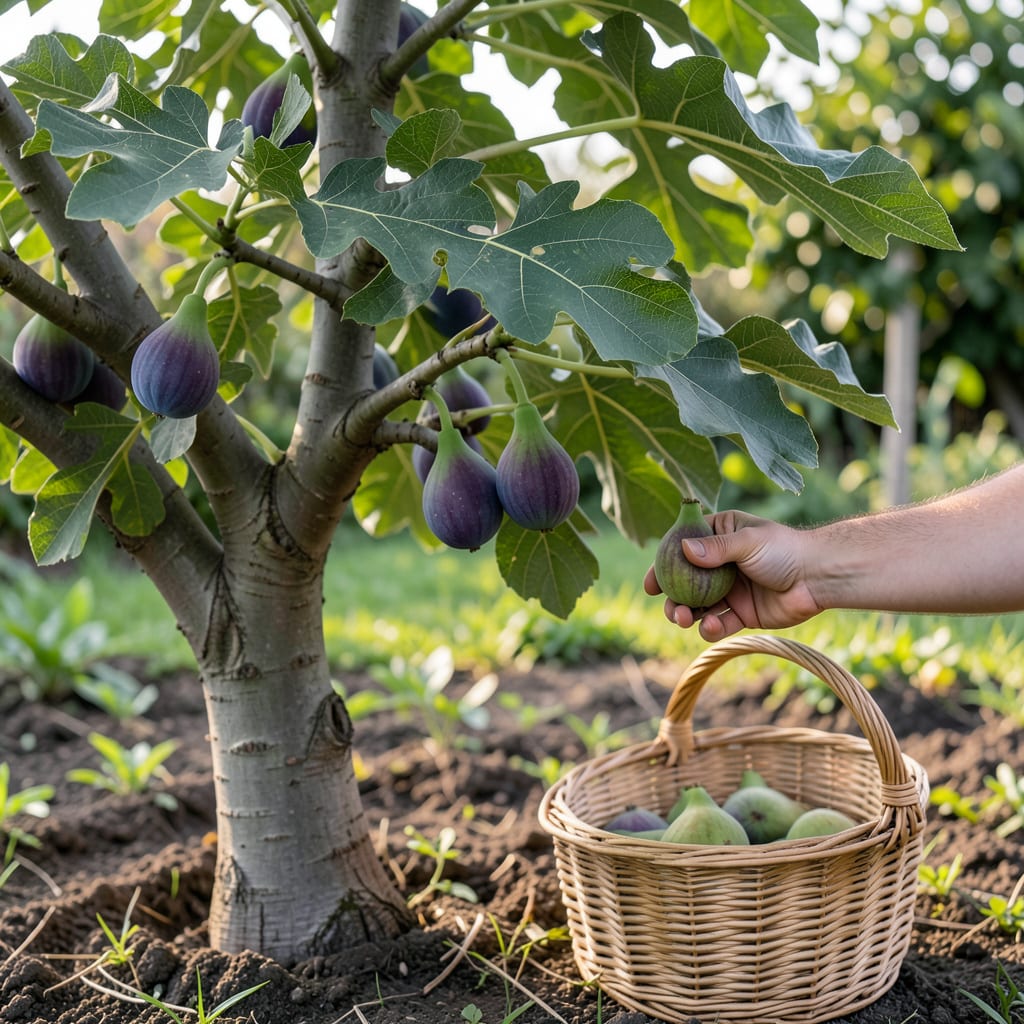
Nothing beats the taste of a perfectly ripe Fig 🍇 fresh from the tree, but timing is everything. Pick too early, and you’ll get a bland, rubbery disappointment.
I’ve learned the most important signs to watch for—from subtle color shifts to that telltale neck droop. Let me show you how to nail the harvest every time.


The color change is your first clue—Black Mission figs turn deep purple-black, while Brown Turkey shifts to a rich brown. Green figs like Celeste stay lighter but develop a yellowish tint when ripe.
Watch for the neck droop—a ripe fig bends slightly at the stem. This subtle posture shift signals the fruit is ready to detach easily from the tree.
| Variety | Ripe Color | Key Sign |
|---|---|---|
| Black Mission | Purple-black | Neck droops |
| Brown Turkey | Rich brown | Soft texture |
| Celeste | Pale yellow | Sweet aroma |
| Kadota | Golden green | Slight crack near stem |
The skin texture changes too—ripe figs feel slightly rough or develop tiny cracks near the stem. This is normal and a great indicator of peak sweetness inside.
Size matters as well. A mature fig reaches its full size before ripening, so compare it to others on the tree. If it’s plump and heavy for its variety, it’s likely ready.
I always check the stem end for a white sap—if it’s clear or absent, the fig is ripe. Cloudy sap means it needs more time on the tree.
For early varieties like Chicago Hardy, the color shift happens faster. These may go from green to purple in just 2-3 days during hot weather.
Don’t ignore the aroma. Ripe figs emit a sweet, fragrant smell near the stem. If you can’t smell anything, give it another day or two.
Remember that rain or humidity can delay ripening. After a storm, I wait an extra 24-48 hours to check for ripeness signs again.
If you see birds pecking at your figs, that’s nature’s way of telling you they’re ready. These wild taste-testers are often more accurate than any guide!
Finally, morning harvesting gives the best flavor. Figs picked early retain more natural sugars and stay fresher longer.
Once you’ve spotted the visual cues like color change and neck droop, it’s time for the hands-on test. I always start with a gentle squeeze—ripe figs yield slightly under pressure but don’t feel mushy.
A ripe fig should feel heavy for its size, as if it’s full of sweet juice. Compare it to an unripe fig of similar size, and you’ll notice the weight difference immediately. This is one of my favorite foolproof methods for confirming ripeness.
Be careful not to over-squeeze, as figs bruise easily when ripe. A light touch is all you need to assess the texture. If it feels rock-hard, it’s not ready yet.
Another trick I use is the aroma test. Bring the fig close to your nose—ripe ones emit a sweet, fragrant scent near the stem. No smell usually means it needs more time on the tree.
For varieties like Brown Turkey or Celeste, the skin may develop tiny cracks near the stem when fully ripe. This is normal and a great indicator that it’s time to pick.
If you’re still unsure, try the taste test on one or two figs. A perfectly ripe fig will be bursting with sweetness and have a rich, jam-like texture inside. ☀️
The perfect ripeness for figs depends on how you plan to use them. For fresh eating, I wait until the fruit is fully soft and slightly drooping at the neck.
If you’re making jam or preserves, pick figs that are firm but ripe. They’ll hold their shape better during cooking and maintain a balanced sweetness without turning mushy.
For drying figs, I let them get overripe on the tree. The fruit should be very soft with high sugar content, which ensures the best flavor after drying.
Timing also varies by season. In hot climates, figs ripen faster, so check daily. Cooler weather slows the process, so be patient and let them fully mature on the tree.
Remember that morning harvesting is ideal for all uses. Figs picked early retain more natural moisture and flavor, whether you’re eating them fresh or preserving them for later. 🌳
The neck droop appears as a slight bend at the stem where it connects to the fruit. A ripe fig will hang down slightly instead of standing upright.
For jam or preserves, yes—firm but ripe figs hold shape better. For fresh eating, wait until they’re fully soft to the touch.
Tiny cracks near the stem are normal in ripe figs, especially varieties like Brown Turkey. This indicates peak sweetness and high moisture content.
In hot weather, check daily as figs can ripen in 2-3 days. In cooler climates, every 2-3 days is sufficient.
