
Beautiful Plants For Your Interior
Beautiful Plants For Your Interior
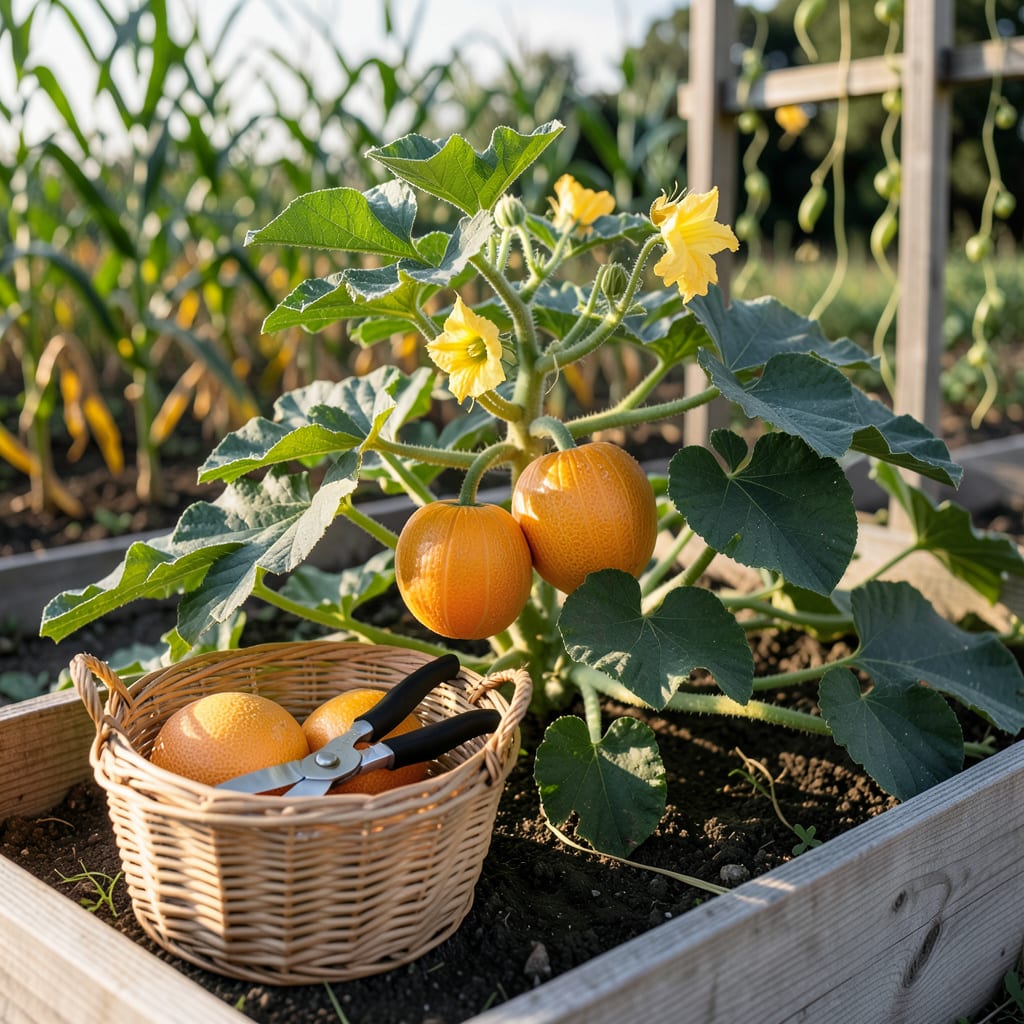
Nothing beats the disappointment of cutting into a cantaloupe only to find it underripe—or worse, overripe and mushy. That perfect balance of sweetness and juiciness depends entirely on picking at just the right moment.
After years of trial and error in my garden, I’ve narrowed it down to five foolproof signs that take the guesswork out of harvesting. Whether you’re a first-time grower or a seasoned gardener, these simple checks will ensure your 🍈 cantaloupes are ripe, flavorful, and ready to enjoy straight from the vine.


After months of tending your cantaloupe vines, the moment of truth arrives: Is it ready to pick? Unlike store-bought melons, garden-grown cantaloupes won’t ripen further once removed from the vine. That’s why I rely on these five foolproof signs to guarantee peak sweetness every time.
First, forget the calendar—days to maturity (typically 75-90 days) are just a guideline. Weather, soil, and variety all play roles. Instead, I focus on what the plant tells me through color, texture, aroma, and sound. Let’s break down each signal so you’ll never second-guess your harvest again.
The stem slip test is my top indicator. When the cantaloupe is ready, the stem will release from the vine with just a gentle twist. If you have to yank it, walk away—it needs more time. This happens because the plant naturally abscises (sheds) ripe fruit to redirect energy.
Next, examine the rind color. A ripe cantaloupe shifts from green to a golden-beige beneath the netting. The netting itself becomes more raised and rough—almost like sandpaper. I’ve found that morning light makes this color change easiest to spot, so check your melons early in the day.
The blossom end (the side opposite the stem) should yield slightly to thumb pressure. Think of it like testing a peach—too firm means it’s not ready, but too soft means it’s overripe. This spot is where the flower once bloomed, and it ripens first because it received the most sunlight.
Never underestimate the power of smell. A ripe cantaloupe will perfume the air with a tropical, musky sweetness near the stem. If I can’t smell anything, I leave it on the vine for another 2-3 days. This aroma comes from ethylene gas, which the fruit emits as it ripens.
Finally, the tap test works best for larger melons. Hold the cantaloupe in your palm and tap it with your knuckles. A deep, hollow echo means it’s ready, while a dull thud suggests it’s still green inside. I practice on unripe melons first to train my ear for the difference.
Pro tip: If your cantaloupe passes 3 out of 5 tests, it’s safe to pick. The exceptions? If the stem hasn’t slipped but the aroma and color are perfect, I’ll harvest it and let it ripen indoors for 1-2 days on the countertop. Just don’t refrigerate it until it’s fully ripe!
Remember, cantaloupes won’t continue ripening after picking like some fruits. That’s why I always err on the side of leaving them on the vine a little longer. Once you’ve mastered these signs, you’ll be rewarded with melons so sweet they’ll ruin store-bought versions for you forever. 🪴
Even experienced gardeners sometimes misjudge cantaloupe ripeness. The most common mistake? Relying solely on size—just because your melon looks big doesn’t mean it’s ready. Another pitfall is ignoring the stem slip test, which is the most reliable indicator of true ripeness.
Many beginners also confuse green tinges on the rind with unripeness, not realizing some varieties naturally retain green streaks even when fully ripe. And don’t make the error of waiting for the melon to detach on its own—by then, it’s often overripe and mushy inside.
Another frequent error is harvesting after rain. Wet melons can feel softer than they are, leading to premature picking. Always check for ripeness on a dry, sunny morning when the fruit’s true texture is evident. If you’ve already picked one too early, try placing it in a paper bag with a banana to speed ripening.
Timing matters too—cantaloupes typically ripen 70–90 days after planting. If you’re approaching that window but the melon still isn’t showing signs, check for poor pollination or inconsistent watering, both of which can delay ripening. A sudden heatwave can also rush the process, so monitor closely during temperature spikes.
For gardeners in cooler climates, be extra cautious: Cooler nights slow ripening, so your melons might need an extra week or two. If frost threatens before harvest, cover the vines with row fabric to buy more time. And remember, once picked, cantaloupes won’t sweeten further—only soften.
Finally, don’t overlook the netting pattern on the rind. A ripe cantaloupe develops a raised, rough texture, while an unripe one stays smooth. Combine this with the sweet aroma at the blossom end, and you’ll never second-guess your harvest again. 🌱
Once you’ve harvested your perfectly ripe cantaloupe, the next steps are just as important. Unlike some fruits, cantaloupes don’t improve much after picking—they only soften. That’s why I always handle them with care to preserve that garden-fresh sweetness as long as possible.
First, resist the urge to wash your melon immediately. The natural bloom (that dusty coating) helps protect it from mold. Instead, I gently brush off dirt with a dry cloth. If you must wash it, do so right before cutting to prevent premature spoilage from excess moisture.
For slightly underripe cantaloupes, I use the paper bag method. Place the melon in a bag with an apple or banana—their ethylene gas will accelerate ripening. Check daily; once the blossom end yields to gentle pressure, it’s ready for the fridge.
When storing ripe cantaloupes, keep them whole and uncut until you’re ready to eat. The crisper drawer is ideal because it maintains higher humidity than the main fridge compartment. I’ve found that wrapping the melon loosely in a clean kitchen towel absorbs excess moisture and extends freshness.
Once cut, cantaloupe oxidizes quickly. To slow this, I sprinkle the exposed flesh with lemon juice (just a few drops) before sealing it in an airtight container. This trick preserves both color and flavor for an extra day or two. For longer storage, consider dehydrating slices at 135°F for 6-8 hours.
Watch for signs of overripeness: a fermented smell, overly soft flesh, or mold spots. If you spot these, compost the melon immediately to avoid contaminating others. Remember, homegrown cantaloupes often have higher sugar content than store-bought, so they spoil faster. Enjoy them within 3-4 days of picking for the best flavor. 🪴
If the stem resists gentle pressure, your cantaloupe needs more time. The “stem slip” test is the most reliable indicator—ripe melons detach with just a light twist. Forcing it off too soon means bland flavor and underdeveloped sweetness.
Cantaloupes won’t ripen significantly after picking, but slightly underripe ones can soften. Place them in a paper bag with a banana at room temperature for 1-2 days. This won’t increase sweetness, just texture.
Once fully ripe, harvest within 24-48 hours to prevent overripening. Signs of waiting too long include a fermented smell or excessive softness at the blossom end. Morning harvests preserve freshness best.
This happens when the fruit develops aroma but hasn’t fully matured. Wait 2-3 more days and recheck the stem slip and blossom end softness. The scent often appears before full ripeness in hot climates.
Never judge by size alone! Some varieties stay small but ripen perfectly. Focus on color change (buttery yellow underside), sweet aroma, and stem slip instead. I’ve had tiny cantaloupes taste sweeter than large unripe ones.
