
Beautiful Plants For Your Interior
Beautiful Plants For Your Interior
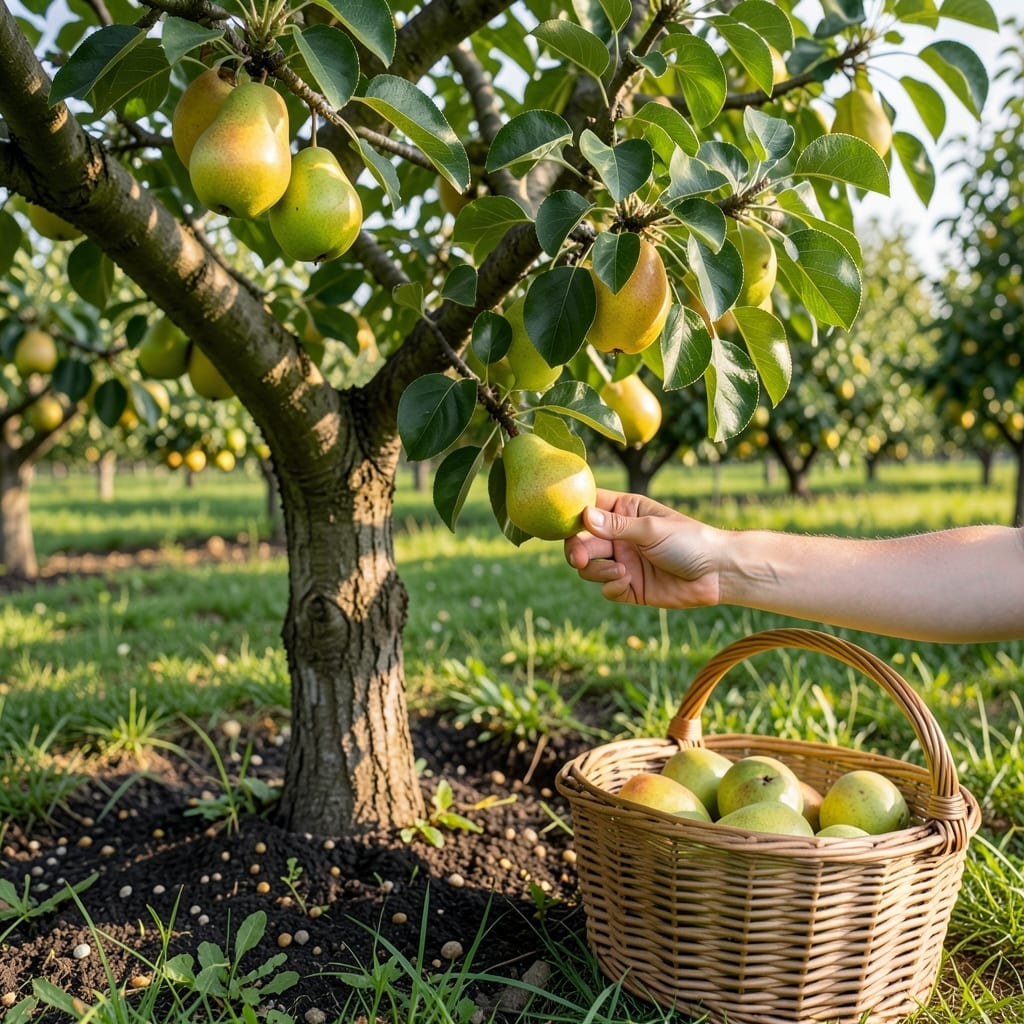
Nothing ruins the joy of biting into a fresh 🍐 Pear like discovering it’s either rock-hard or mushy inside. I’ve been there too many times, and it’s always disappointing.
What if you could guarantee perfect ripeness every time? The good news is there are simple, reliable ways to tell when your Pear is ready to eat or pick.
I’ll share the most effective visual and touch tests that work for any variety. Let’s make sure your next Pear is absolutely perfect.


I’ve found the neck test is the most reliable way to check pear ripeness. This method works because the stem end softens first as the fruit matures, even if the rest feels firm. It’s a trick I swear by for consistent results.
To perform the test, gently press near the stem with your thumb. If it yields slightly, your pear is ready. Avoid squeezing the whole fruit, as this can bruise it and give false readings.
The neck test works because pears ripen from the inside out. The stem area softens first, signaling the fruit is approaching peak ripeness. This is why it’s more accurate than checking the body.
For European pears like Bartlett or Anjou, the neck should give slightly when ripe. Asian pears, however, stay firm even when ripe, so rely on color changes instead—look for a shift from green to yellow.
Another tip: room temperature speeds up ripening. If your pear isn’t quite ready, leave it on the counter for a day or two. Check daily using the neck test to catch it at the perfect moment.
I always recommend testing multiple pears from the same batch. Ripeness can vary, even within the same tree or grocery bag. This ensures you don’t miss the window for any of them.
If you’re picking pears from your own tree, start testing a few days before the expected harvest time. Pears often ripen quickly once they begin to soften, so timing is everything.
Remember, underripe pears won’t ripen properly in the fridge. Once they’re at the right stage, you can store them in the refrigerator to slow further ripening and extend their freshness.
The neck test is simple but powerful. With a little practice, you’ll be able to identify perfect ripeness every time, ensuring each pear you enjoy is at its flavorful best. ✂️
Beyond the neck test, visual cues can confirm ripeness. I watch for color changes first—Bartlett pears shift from green to yellow, while Anjou may develop a slight blush. These subtle shifts are nature’s way of signaling readiness.
Another reliable sign is skin texture. Ripe pears often have a slightly dull finish rather than a glossy sheen. For Asian pears, look for a golden hue replacing the green, as they don’t soften like European varieties.
| Variety | Color Change | Texture Sign |
|---|---|---|
| Bartlett | Green → Yellow | Slightly dull skin |
| Anjou | Green → Red blush | Subtle wrinkling near stem |
| Asian Pear | Green → Golden | Remains firm |
The stem area often provides clues too. A ripe pear may show tiny wrinkles near the stem, and the stem itself might loosen slightly. This is especially true for tree-ripened fruit ready for picking.
For tree-grown pears, I check the angle of the fruit. As pears ripen, they often tilt upward rather than hanging straight down. This subtle change, combined with color shifts, helps me time my harvest perfectly.
Remember, light conditions affect ripeness signs. Pears exposed to more sunlight may develop color faster, while those in shade might rely more on texture changes. Always combine visual cues with the neck test for best results.
Finally, smell the stem end. A ripe pear emits a sweet aroma near the stem, even if the rest of the fruit doesn’t have a strong scent. This is one of my favorite quick checks when I’m in a hurry. 🌳