
Beautiful Plants For Your Interior
Beautiful Plants For Your Interior
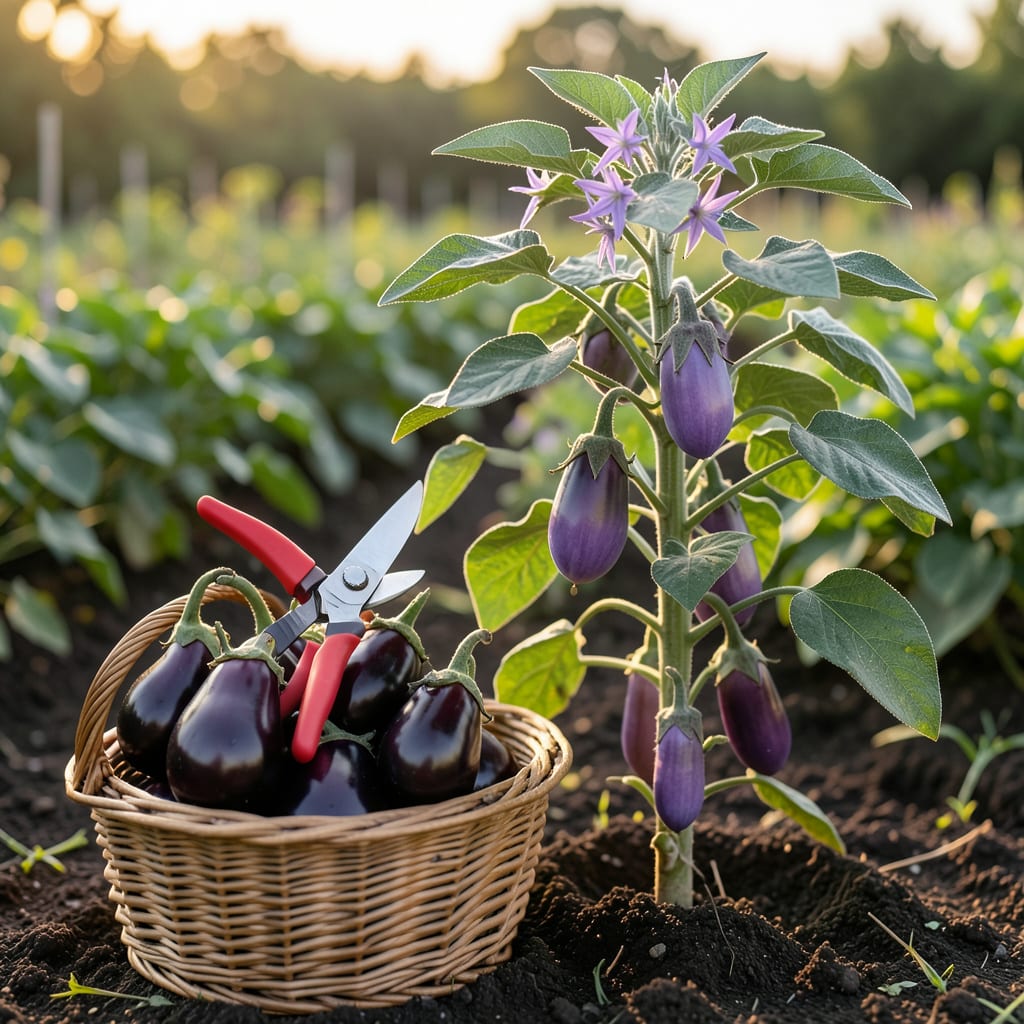
Picking Eggplant 🍆 at the perfect moment ensures the best flavor and texture. It’s all about knowing the right signs to look for.
From skin shine to size, I’ll show you the key visual and tactile cues that signal your Eggplant is ripe and ready to harvest. Let’s dive in.


Knowing when to harvest eggplant starts with observing its skin shine and color depth. A ripe eggplant will have a glossy surface that reflects light, unlike the dull appearance of an underripe one. The color should be rich and uniform for its variety.
The size of the fruit also matters. Most eggplants reach 6-8 inches long when ready, though this varies by type. Firmness is another key indicator—gently press the fruit and look for a slight give, not rock-hard resistance.
| Sign | Ripe Appearance |
|---|---|
| Skin Shine | Glossy, reflective surface |
| Color Depth | Rich, consistent color |
| Firmness | Slightly soft to touch |
| Stem Condition | Green, fresh-looking stem |
An overripe eggplant often has a dull skin and may feel too soft or spongy. The seeds inside turn brown and hard, which affects flavor. I always check the stem area—if it’s brown or shriveled, the fruit may be past its prime.
For Black Beauty eggplants, look for a deep purple-black color. Ichiban varieties should be long and slender, while Rosa Bianca develops a creamy white hue with light purple streaks when ready.
I recommend using a gentle pressure test—press your thumb lightly into the fruit. If it springs back slowly, it’s ripe. If it doesn’t spring back, it’s likely overripe. This simple test can save you from harvesting too early or too late.
The size relative to variety is crucial. Small varieties like Fairy Tale may be ready at 4-5 inches, while larger types like Black Magic can grow up to 12 inches. Always refer to your seed packet for specific size guidelines.
Another visual cue is the calyx (the green leafy part at the top). In ripe eggplants, it should still be fresh and green. If it turns brown or dry, the fruit may be overripe or starting to spoil.
For best results, harvest in the morning when temperatures are cooler. This helps preserve the fruit’s firmness and flavor quality. I also use sharp pruning shears to avoid damaging the plant or the fruit.
Remember, eggplants continue to ripen after picking, but they won’t improve in flavor once removed from the plant. That’s why timing your harvest perfectly is so important for the best taste and texture in your garden-fresh produce. 🌱
Once you’ve spotted the visual signs of ripeness, it’s time to confirm with tactile tests. The gentle pressure test is my go-to method. Press your thumb lightly into the fruit—if it gives slightly but springs back, it’s ready. 🌱
A hollow sound when tapped indicates ripeness too. Use your knuckles to gently tap the eggplant. A deep, hollow sound means it’s ripe, while a solid thud suggests it needs more time.
The stem check is another reliable method. A ripe eggplant will have a green, fresh stem. If the stem is brown or shriveled, the fruit may be overripe or past its prime.
I always inspect the calyx (the leafy part at the top) too. In ripe eggplants, it should be vibrant and green. If it’s brown or wilted, the fruit may be overripe or starting to spoil.
Avoid squeezing too hard during tests, as this can bruise the fruit. I use my fingertips for the pressure test and my knuckles for the tap test to ensure accuracy without damage.
For best results, perform these tests in the early morning when the fruit is firmest. This helps you avoid false positives from heat-induced softness later in the day. 🌿
Different eggplant varieties have distinct harvest signals. Knowing these helps you pick each type at its peak ripeness. I’ve found that color changes and size ranges vary significantly between varieties.
Black Beauty eggplants, for example, develop a deep purple-black hue when ready. They typically reach 6-8 inches long and have a glossy finish. This classic variety is a garden favorite for its reliable performance.
| Variety | Ready Color | Size at Harvest |
|---|---|---|
| Black Beauty | Deep purple-black | 6-8 inches long |
| Ichiban | Glossy dark purple | 10-12 inches long |
| Rosa Bianca | Creamy white with streaks | 6-8 inches round |
Ichiban eggplants are long and slender, often growing 10-12 inches when mature. Their glossy dark purple skin signals they’re ready. I love this variety for its tender flesh and mild flavor.
Rosa Bianca is an Italian heirloom that turns creamy white with light purple streaks when ripe. It’s typically round and plump, reaching about 6-8 inches in diameter. This variety is perfect for smaller gardens.
Always refer to your seed packet for specific size guidelines, as some varieties may have unique requirements. For best results, harvest when the skin is glossy and the fruit feels firm with gentle pressure. 🌱
It depends on the variety. Most should have a deep, consistent color—purple-black for Black Beauty or creamy white with streaks for Rosa Bianca. A glossy finish signals it’s ready to pick.
An overripe eggplant will have dull skin, feel too soft or spongy, and the seeds inside turn brown and hard. The stem may also appear brown or shriveled.
Yes, but check the variety first. Small types like Fairy Tale are ready at 4-5 inches, while larger ones like Black Magic need 6-12 inches. Always confirm with the seed packet guidelines.
Early morning is ideal when temperatures are cooler. This helps preserve the fruit’s firmness and flavor quality. Use sharp pruning shears to avoid damage.
