
Beautiful Plants For Your Interior
Beautiful Plants For Your Interior
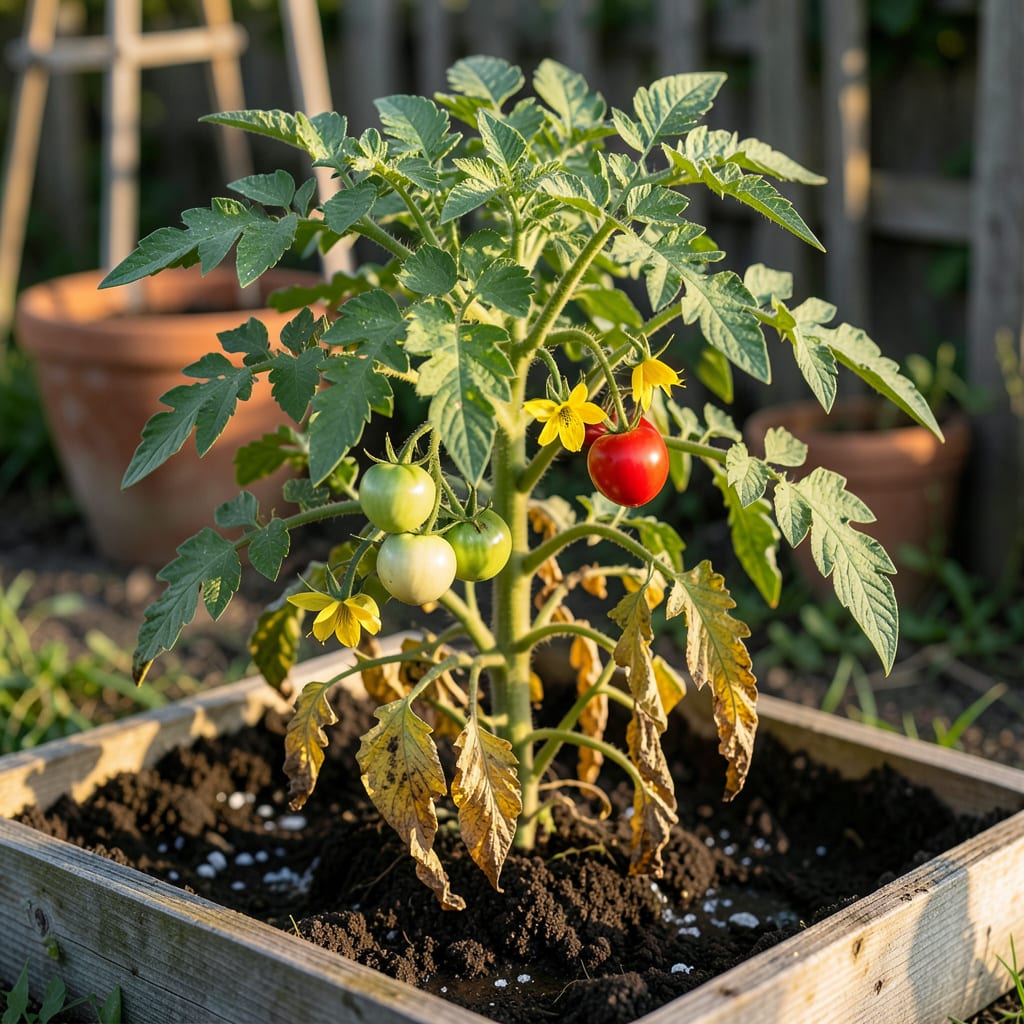
That sinking feeling when your once-thriving plant suddenly looks sad? Too often, the culprit isn’t neglect—it’s too much love in the form of water. Overwatering silently suffocates roots and invites disease faster than drought ever could.
I’ve seen even experienced gardeners miss the early warnings. The good news? Your plants send clear distress signals if you know where to look. Let me show you the 5 unmistakable signs that scream “ease up on the watering can” before it’s too late.
I’ve seen too many gardeners accidentally drown their plants with kindness. Overwatering doesn’t just waste water—it suffocates roots, blocks oxygen, and creates a breeding ground for root rot and fungi. The scary part? Many signs mimic other issues, so you might not catch it until it’s severe.
Your plant’s leaves, stems, and soil will send distress signals if you’re overdoing it. The key is spotting these early before the damage becomes irreversible. Let’s break down the five most common red flags—some might surprise you!
Notice how yellow leaves start at the bottom? That’s because older leaves are sacrificed first when roots struggle. If you see this, check the soil 2 inches deep—if it’s damp, hold off on watering. A moisture meter (or your finger!) is your best tool here.
Wilting with wet soil is one of the most confusing signs. Many assume the plant needs more water, but the roots are actually drowning and unable to function. Try this: Lift the pot—if it feels heavy, it’s likely overwatered. Let it dry out before watering again.
When you spot mushy stems, act fast. Gently dig around the base—if roots are black and smell like rotten eggs, it’s root rot. For potted plants, slide it out: healthy roots wrap around the soil; rotted roots slip off like wet spaghetti. This is an emergency!
Mold on soil isn’t just ugly—it’s a sign your plant’s environment is too wet. Scrape off the top layer and let the soil dry. Add a ½-inch layer of perlite or sand to improve drainage. If the smell is strong, repot with fresh, well-draining soil immediately.
Stunted growth often gets blamed on poor fertilizer or light, but overwatering is a silent growth killer. Plants in survival mode won’t flourish. If your tomato plant or monstera hasn’t grown in weeks, check the roots and adjust your watering schedule.
Pro tip: Succulents and cacti show overwatering differently—they’ll turn squishy and translucent, not just yellow. Meanwhile, ferns and peace lilies wilt dramatically but bounce back quickly once the soil dries slightly. Know your plant’s native habitat to tailor care!
If you’ve spotted multiple signs, don’t panic—most plants recover with quick action. Stop watering, improve drainage, and trim any black or mushy roots. I’ll cover exact recovery steps in the next section, but first, let’s make sure you’re diagnosing correctly. Overwatering and underwatering can look eerily similar! 🌿
When plants get too much water, they don’t just look sad—they start sending distress signals that are impossible to miss if you know what to look for. The tricky part? Some symptoms mimic other issues, which is why I always start with the soil moisture test before assuming anything.
Overwatering doesn’t just drown roots—it creates a perfect storm for root rot, fungal growth, and nutrient lockout. I’ve watched healthy plants decline in days because their roots couldn’t breathe. Here’s exactly what to watch for, from the first subtle clues to full-blown emergencies.
Older leaves turn pale yellow first as roots fail to deliver nutrients. Unlike natural aging, this spreads upward quickly.
If your plant looks limp and droopy but the soil is soggy, roots are drowning and can’t absorb water.
Healthy stems are firm. If yours feel soft and squishy, or roots appear dark and slimy, rot has set in.
White, fuzzy growth or a musty smell means excess moisture is inviting fungal parties in your pot.
Plants in survival mode stop growing or shed leaves to conserve energy. New leaves may appear deformed or curled.
Here’s the kicker: These symptoms often appear 1-2 weeks after the overwatering begins. By the time you see them, the damage is already underway. That’s why I recommend the finger test—stick your finger 1-2 inches into the soil before watering. If it feels damp, wait.
Succulents and cacti show signs faster than tropical plants, but no plant is immune. I once killed a “unkillable” snake plant by overwatering it—yes, even drought-tolerant plants can drown. The key is observing your plant’s normal behavior so you spot changes early.
If you’re seeing multiple signs, don’t panic—most plants can recover if you act fast. The first step? Stop watering immediately and let the soil dry out. We’ll cover exactly how to nurse your plant back to health in the next section.
Remember, it’s easier to fix a thirsty plant than a drowned one. When in doubt, wait an extra day before watering. Your plants will thank you with lush, healthy growth.
🌱I can’t tell you how many times I’ve seen gardeners misdiagnose their plants by confusing overwatering with underwatering. Both can cause wilting, yellowing, or brown edges—but the fixes are complete opposites. Get this wrong, and you might accidentally make things worse!
The secret? Look beyond the leaves. Check the soil, test the roots, and observe patterns. Overwatered plants often have soggy soil and limp stems, while thirsty plants feel lightweight with dry, crumbly dirt. Let me break down the key differences so you can act with confidence.
| Symptom | Overwatering | Underwatering |
|---|---|---|
| Leaf Texture | Soft, mushy, or swollen | Crispy, dry, or papery |
| Leaf Color | Yellow (starts at bottom) | Brown or yellow (starts at tips) |
| Soil Condition | Wet, heavy, or moldy | Dry, dusty, or pulling from pot |
| Root Health | Black, mushy, foul-smelling | Dry, brittle, or shriveled |
| Pot Weight | Feels heavy for its size | Feels unusually light |
| Leaf Drop | Drops older leaves first | Drops both old and new |
Here’s a trick I use: Stick your finger 2 inches deep into the soil. If it feels cool and damp, you’re likely overwatering. If it’s bone-dry, your plant is thirsty. For potted plants, lift them—heavy pots usually mean too much water, while light pots need a drink.
Pay attention to which leaves suffer first. Overwatering typically hits older, lower leaves because the plant sacrifices them to save newer growth. Underwatering, however, often shows up as brown, crispy tips on both old and new leaves. This pattern is your biggest clue!
Don’t forget to check the roots if you’re unsure. Gently slide the plant from its pot—healthy roots are firm and white, while overwatered roots turn black and mushy. Underwatered roots look dry and brittle. If you see black roots, act fast: trim them and repot in fresh, well-draining soil.
Remember, some plants mask their symptoms. Succulents and snake plants might not wilt dramatically—they’ll just turn squishy or translucent. Meanwhile, drama queens like peace lilies and calatheas wilt at the slightest thirst but bounce back quickly after watering. Know your plant’s personality!
When in doubt, err on the side of underwatering. Most plants recover from drought faster than root rot. And if you’ve been guilty of over-loving your plants with water, don’t worry—now you’ve got the tools to diagnose like a pro and adjust your care routine! 🌿
Inspect your plants every 3-5 days during active growth seasons. Focus on the soil moisture 1-2 inches deep rather than just the surface. Use the finger test or a moisture meter for accuracy.
Yes! Yellow leaves can also signal nutrient deficiencies, pests, or natural aging. Check the pattern: overwatering typically starts with lower leaves, while deficiencies often appear on newer growth. Always pair visual clues with a soil check.
Move the plant to a bright, breezy spot and stop watering immediately. For potted plants, tilt them slightly to help excess moisture drain. Add perlite or sand to the soil surface to speed up evaporation. Avoid direct sunlight, which can stress already weakened plants.
Succulents turn squishy and translucent, while ferns develop brown, mushy fronds. Woody plants like shrubs may drop leaves suddenly. Always research your specific plant’s native habitat for tailored care tips.
Most plants bounce back if caught early! Stop watering, improve drainage, and trim black or mushy roots. Repot in fresh, well-draining soil if needed. Recovery time varies: succulents may take weeks, while peace lilies often perk up in days.
