
Beautiful Plants For Your Interior
Beautiful Plants For Your Interior
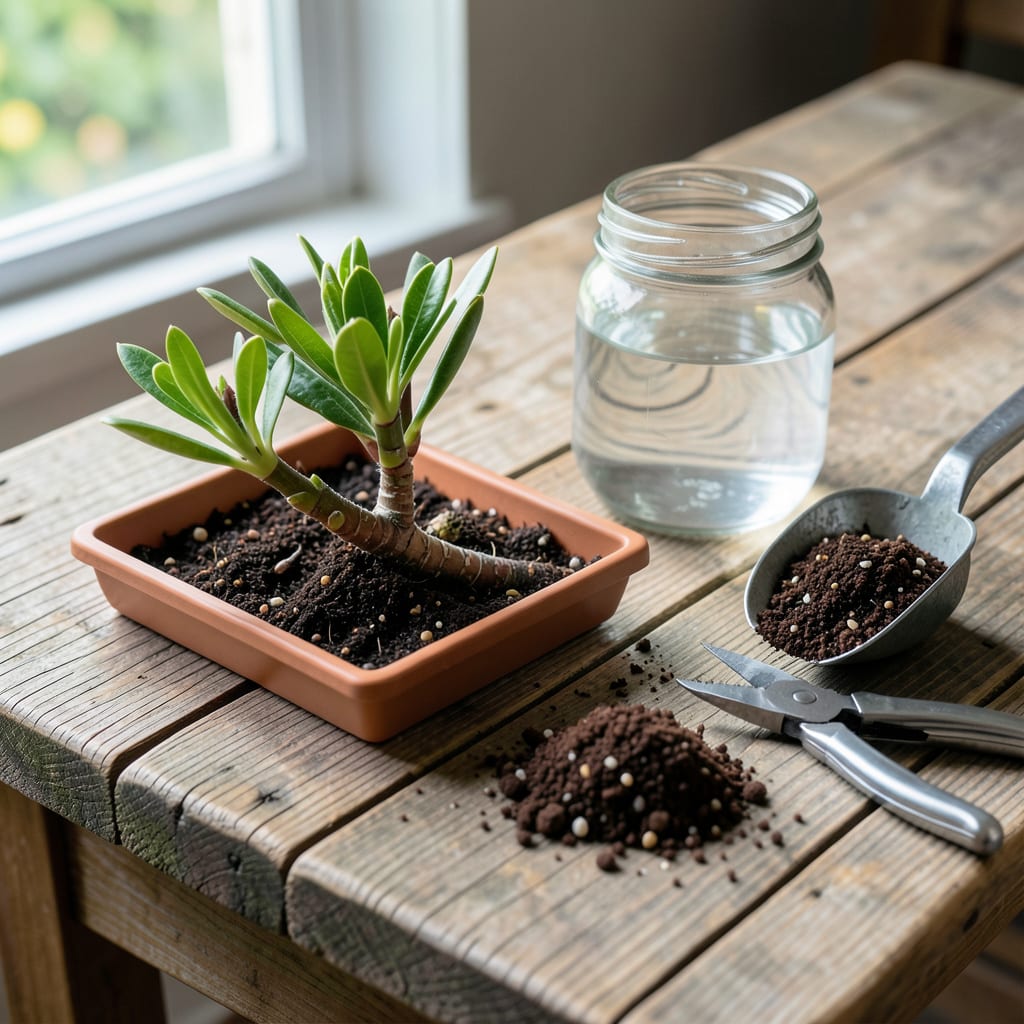
Seven weeks of patience turns one rhododendron into dozens. I started propagating these from cuttings after losing too many store-bought plants to transplant shock.
This method works with 6-inch semi-hardwood cuttings taken in early summer. The key is keeping humidity high and soil consistently moist—not soggy—while roots develop. Most cuttings root within 8-12 weeks.
📚 In This Guide
Here’s the foolproof method I use to propagate new rhododendrons from cuttings.
Choose a healthy, non-flowering stem from the current season’s growth, ideally 4-6 inches long with a diameter of about ¼ inch. The wood should be semi-ripe—flexible enough to bend slightly but firm enough to snap when folded. This stage, typically in late summer, contains the perfect balance of growth hormones for rooting.
Using sharp, sterile pruners, make a clean cut just below a leaf node at a 45-degree angle to increase the surface area for rooting. Remove the lower leaves from the bottom 2 inches of the cutting, but leave at least 3-4 leaves at the tip to sustain photosynthesis. Dip the cut end in rooting hormone (IBA-based works best for rhododendrons) to encourage faster, more robust root development.
Fill a 6-inch pot with a well-draining, sterile medium like a 50/50 mix of perlite and peat moss. This blend retains enough moisture to keep the cutting hydrated while allowing excess water to drain, preventing rot. Moisten the medium thoroughly before inserting the cutting so it settles evenly around the stem.
Insert the cutting 1-2 inches deep into the medium, ensuring at least one leaf node is buried—this is where roots will emerge. Gently firm the medium around the base to eliminate air pockets, which can dry out the cutting. If propagating multiple cuttings, space them at least 2 inches apart to prevent competition for resources.
Place the pot in a clear plastic bag or under a humidity dome to maintain high humidity, which reduces water loss through the leaves. Secure the bag loosely over the pot with a rubber band or twist tie, but leave a small opening for airflow. Alternatively, use a propagation tray with a clear lid.
Set the cutting in bright, indirect light at temperatures between 65-75°F. Direct sunlight can scorch the leaves, while too little light will slow root development. A north or east-facing windowsill often works well. Mist the cutting daily to keep the foliage hydrated, but avoid overwatering the medium—it should remain moist but never soggy.
Check for root development after 6-8 weeks by gently tugging on the cutting. If it resists, roots have formed. You can also inspect the drainage holes for white root tips. Once roots are 1-2 inches long, the cutting is ready for transplanting.
Carefully remove the cutting from the medium and transplant it into a 1-gallon pot filled with a mix of 50% potting soil and 50% pine bark fines—rhododendrons thrive in acidic, well-draining conditions. Keep the new plant in a shaded area for 1-2 weeks to acclimate before gradually introducing it to more light. Water deeply after transplanting and maintain consistent moisture as it establishes.
Here’s what I’ve learned through trial and error to get this right every time.
Selection Secret: In Step 1, don’t overlook the semi-ripe wood requirement—this is the sweet spot where the stem bends slightly but still has enough firmness to snap. I’ve found late summer cuttings root most reliably because they’ve got that perfect hormone balance.
Medium Matters: For Step 2, that 50/50 perlite and peat moss mix isn’t just a suggestion. Perlite prevents compaction while peat moss retains just enough moisture without waterlogging. I always moisten the medium before inserting the cutting—dry pockets around the stem are a death sentence for root development.
Temperature Control: The 65-75°F range in Step 3 is critical. Below 65°F and root growth stalls; above 75°F and you risk fungal issues. A north-facing windowsill is my go-to spot—consistent light without the harsh direct sun that can cook your cutting.
Patience Pays: Those 6-8 weeks in Step 4 feel eternal, but resist the urge to check too often. Every time you tug on the cutting, you risk damaging new root formation. I mark my calendar and don’t disturb them until at least week 6, then check weekly until I see resistance.
While water rooting works for some plants, rhododendrons prefer a well-draining soil mix for successful propagation. Waterlogged conditions often lead to rot. Stick to a moist, airy medium like perlite or peat for best results.
Late spring to early summer is ideal, as the plant is actively growing. Aim for a time after flowering but before extreme heat sets in. This gives cuttings the best chance to establish roots.
Patience is key! Rhododendron cuttings typically take 2–4 months to root, depending on conditions like temperature and humidity. Keep the medium consistently moist and provide indirect light.
Wilting or browning often signals stress from improper moisture or humidity. Ensure cuttings stay hydrated (but not soggy) and maintain high humidity with a plastic bag or misting.
Yes! Layering is a simpler method for some gardeners. Bend a low-growing stem to the ground, nick it, and bury it in soil. Once rooted, sever it from the parent plant. It’s less finicky than cuttings.
