
Beautiful Plants For Your Interior
Beautiful Plants For Your Interior
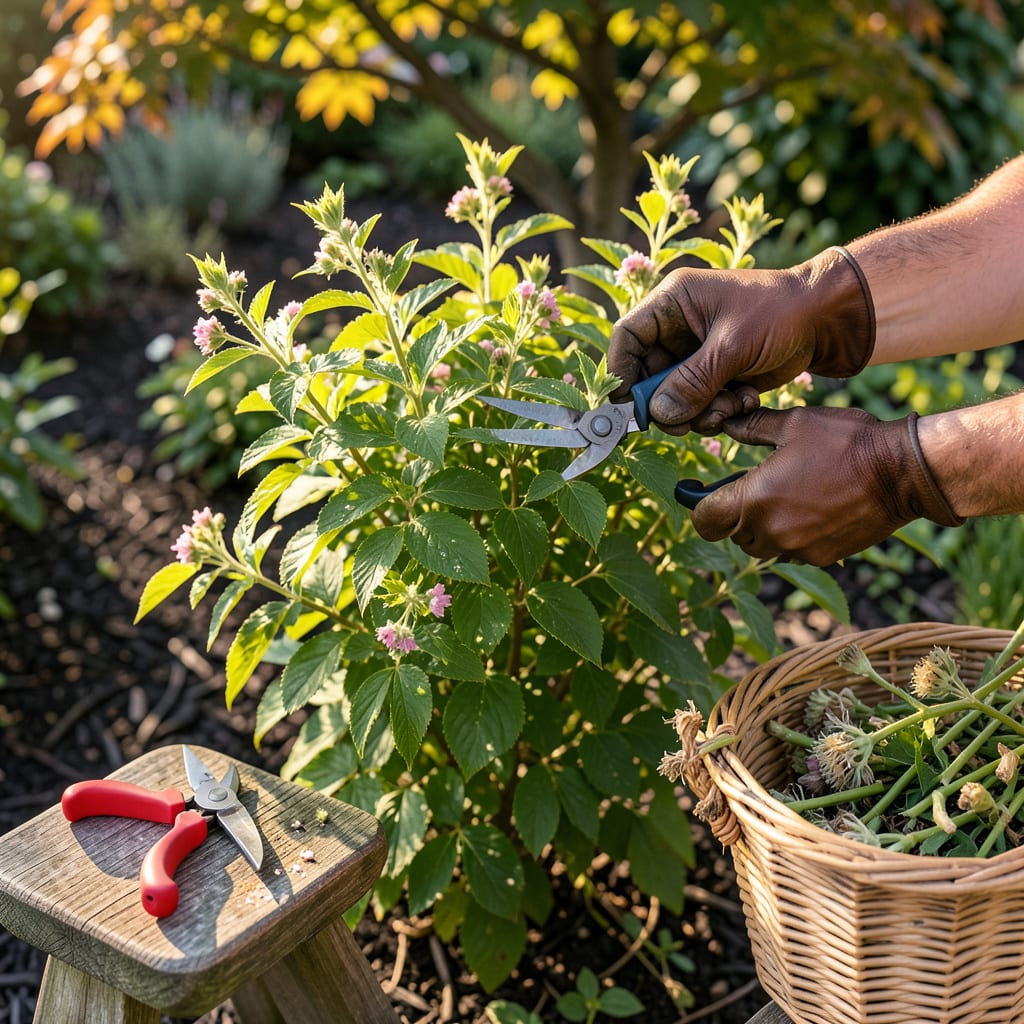
That overgrown spirea in your yard isn’t a lost cause—it’s one good pruning away from becoming the showstopper of your landscape. I’ve turned scruffy, leggy bushes into dense, flower-covered mounds with just a few strategic cuts at the right time. The difference between a sad shrub and a bloom machine often comes down to when and how you prune.
Here’s the thing—spring-blooming and summer-blooming spireas demand completely different approaches. Cut at the wrong time and you’ll sacrifice next season’s flowers. Do it right, and you’ll get twice the blooms on half the branches. The technique is simpler than most gardeners realize, and I’m breaking it down so you can’t mess it up.
📚 In This Guide
This method guarantees fuller plants and more flowers—no guesswork, just clear cuts at the right time.
Timing is everything with spirea. For spring-blooming varieties (like Spirea × vanhouttei or S. thunbergii), prune immediately after flowering—usually in late spring or early summer. Summer-blooming types (such as S. japonica) need pruning in late winter to early spring, just as new growth begins.
Look for swollen buds along the stems—this signals the plant is breaking dormancy. Pruning at the wrong time removes next season’s flower buds. If you’re unsure which type you have, observe when it blooms: spring bloomers set buds on old wood, while summer bloomers flower on new growth.
Start by cutting out any dead, diseased, or crossing branches at their base. Use sharp bypass pruners to make clean cuts at a 45-degree angle, just above an outward-facing bud. This prevents water from pooling on the cut surface and encourages growth away from the plant’s center.
Next, thin out the oldest stems—typically the thickest, woodiest ones—by removing about one-third of them at ground level. This rejuvenates the plant by stimulating new shoots. You’ll see the difference in vigor within weeks as fresh growth emerges from the base.
For spring-blooming spirea, lightly shape the plant by cutting back the remaining stems by one-quarter to one-third of their length. This maintains the natural arching form while controlling size. Summer-blooming varieties respond well to more aggressive pruning—cut them back to 4-6 inches above ground level to encourage bushy regrowth.
Always step back frequently to assess your work. The goal is an open, vase-like shape that allows light and air to reach the center. You’ll notice the plant looks slightly sparse immediately after pruning, but this temporary appearance ensures healthier, more floriferous growth.
Remove all cut material from around the base to prevent pest and disease issues. I like to spread a thin layer of compost around the drip line after pruning to give the plant a nutrient boost as it enters its next growth phase. Water deeply to help the plant recover from the stress of pruning.
Watch for new shoots emerging within 2-3 weeks. These will be brighter green and more flexible than the old wood. If you pruned a spring-blooming variety, you’ll see flower buds forming by late summer for next year’s display. Summer bloomers will begin setting buds on the new growth almost immediately.
Pruning spirea isn’t complicated once you understand the plant’s growth habits—here’s what I’ve learned through years of trial and error.
Timing Precision: The difference between a mediocre pruning job and one that yields spectacular blooms comes down to timing. For spring-blooming varieties, that window immediately after flowering is critical—waiting too long means you’ll cut off next year’s buds. I mark my calendar the moment my spirea starts blooming so I don’t miss this opportunity. Summer-blooming types are more forgiving, but pruning them in late winter just as those buds begin to swell gives you the most vigorous new growth.
Cutting Technique: The 45-degree angle mentioned in Step 2 isn’t just for aesthetics—it’s functional. I’ve found that making the cut just above an outward-facing bud (about 1/4 inch above) prevents water from collecting on the cut surface while directing new growth away from the center. This small detail dramatically reduces fungal issues and creates that beautiful vase shape we’re aiming for. Always use bypass pruners rather than anvil pruners—they make cleaner cuts that heal faster.
Rejuvenation Strategy: When removing one-third of the oldest stems in Step 2, focus on the thickest, woodiest canes at the base. These are the least productive stems, and their removal stimulates fresh growth from the crown. I like to think of it as giving the plant a youth serum—within weeks, you’ll see brighter green shoots emerging that will produce the most vibrant flowers. This single step can extend the productive life of your spirea by years.
Post-Pruning Care: The compost application mentioned in Step 4 serves two critical purposes: it replenishes nutrients removed with the cuttings and helps retain moisture during the recovery period. I’ve had the best results using well-aged compost rather than fresh manure, which can burn tender new growth. Water deeply immediately after pruning to help the plant overcome the stress—this is when those new roots and shoots are establishing themselves.
For spring-blooming spirea (like Spirea vanhouttei), prune right after flowering (late spring/early summer) to avoid cutting off next year’s buds. Summer-blooming types (like Spirea japonica) thrive when pruned in late winter or early spring before new growth starts.
Avoid fall pruning—it stimulates tender new growth that winter can kill. Light shaping in late winter (before buds swell) is safe for summer-blooming varieties, but never prune spring-bloomers then or you’ll lose flowers!
You can safely remove 1/3 of the oldest stems down to the base annually to rejuvenate. For overgrown plants, cut all stems to 4–6 inches in early spring (summer-bloomers only)—they’ll bounce back! Never prune more than 1/3 in one season for spring-bloomers.
Common culprits:
Yes! Try these:
