
Beautiful Plants For Your Interior
Beautiful Plants For Your Interior
I used to avoid pruning my houseplants like it was brain surgery. ✨ Turns out, those early attempts—where I’d snip randomly and hope for the best—taught me more than any guide could. The difference between a leggy, struggling plant and one that’s bushy, vibrant, and growing like crazy often comes down to just a few […]
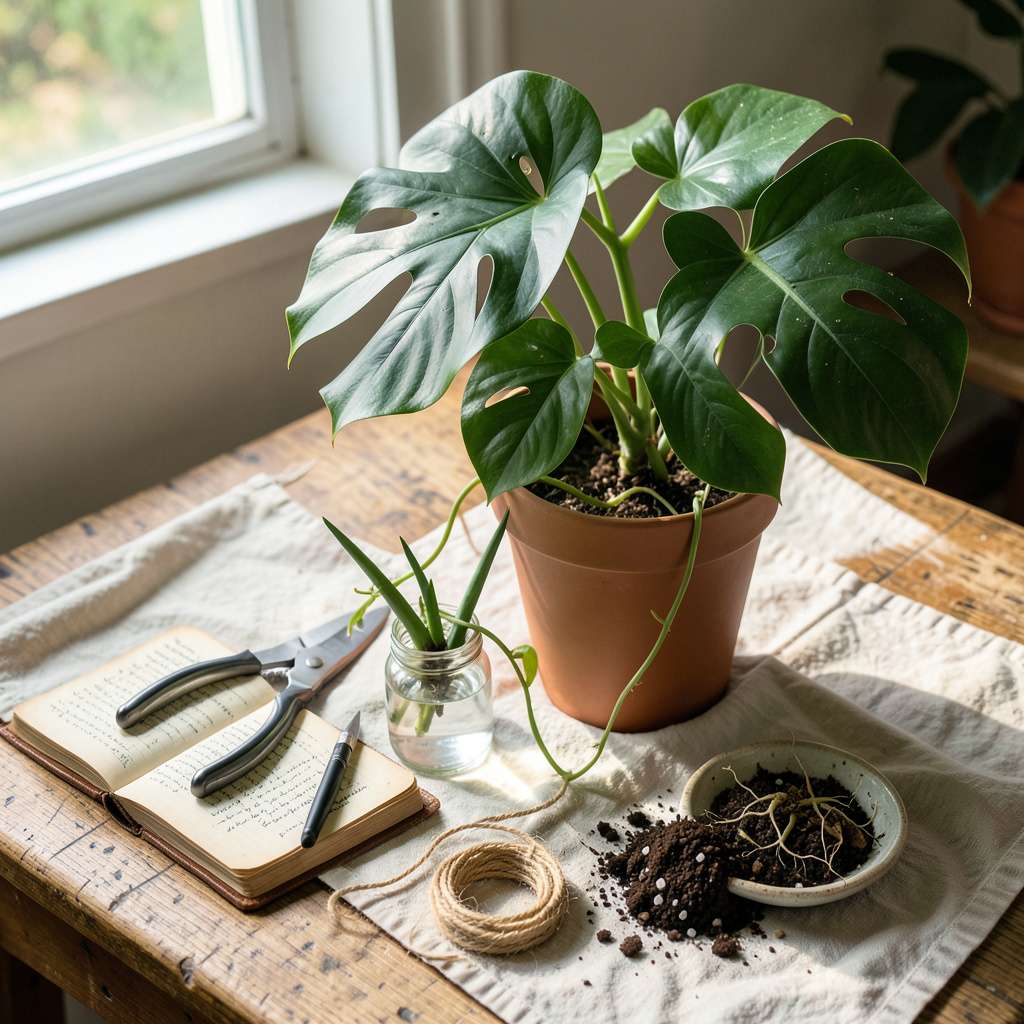
I used to avoid pruning my houseplants like it was brain surgery. ✨ Turns out, those early attempts—where I’d snip randomly and hope for the best—taught me more than any guide could. The difference between a leggy, struggling plant and one that’s bushy, vibrant, and growing like crazy often comes down to just a few strategic cuts.
Here’s the thing—pruning isn’t about hacking away at your plants. It’s about guiding their energy where you want it. A single well-placed cut can trigger new growth, improve airflow, and even save a dying plant. I’ve watched pothos go from sparse vines to lush waterfalls and ferns double in size after a proper trim. The tools? Just sharp scissors and maybe some rubbing alcohol for cleaning.
What you’ll get is more than just better-looking plants. Pruned houseplants grow faster, resist pests better, and live longer. That monstera you’ve been babying? It could be producing bigger, glossier leaves within weeks of a good prune. And the best part? You can propagate those cuttings into new plants—free greenery from what you’d normally toss.
Whether you’re dealing with overgrown vines, yellowing leaves, or just want to encourage fuller growth, this method works for everything from snake plants to philodendrons. No green thumb required—just a little confidence and the right technique. Let’s grab those scissors and get started.
📚 In This Guide
Here’s the simple method I use to keep my indoor plants healthy and full—no guesswork, just results.
Start by examining your plant for yellowing leaves, brown tips, or overgrown stems. These are clear signals it’s time to prune. I like to trace each stem with my fingers first—you’ll feel where growth slows or turns woody.
Focus on removing anything dead, damaged, or diseased first. Then look for leggy growth (long stems with sparse leaves) or branches crossing over each other. These areas block airflow and create hiding spots for pests.
Use sharp, clean pruning shears or scissors. For stems, cut just above a leaf node (where leaves emerge) at a 45-degree angle. This prevents water pooling on the cut surface and encourages new growth.
For leaves, snip at the base where they meet the stem—never tear them off. You’ll hear a crisp snap when the cut is clean. If you see white or green tissue inside the stem, you’re in the right spot.
Step back occasionally to check the plant’s overall shape. I aim to remove no more than 20-30% of the foliage at once—over-pruning stresses plants. Focus on creating an open, balanced form that lets light reach all leaves.
Pinch back new growth tips on bushy plants like pothos or philodendrons. This makes them branch out instead of growing long and sparse. You’ll see new shoots appear within 2-3 weeks where you pinched.
Water your plant lightly after pruning—just enough to moisten the soil. Avoid heavy watering, which can shock freshly cut stems. I place mine in bright, indirect light for a few days to reduce stress.
Hold off on fertilizing for about 2 weeks. The plant needs time to heal cuts before processing nutrients. You’ll know it’s recovering well when you see new growth emerging from the pruned areas.
Most houseplants benefit from light pruning every 4-6 weeks during active growth. I make it part of my watering routine—just a quick scan for problem areas while I’m checking soil moisture.
Turn the plant occasionally as you prune to ensure even growth. You’ll notice the side facing the window grows faster, so rotating prevents lopsided shapes. This simple habit keeps plants full and vibrant year-round.
Here’s what we’ve learned from years of pruning everything from delicate ferns to sprawling pothos.
Tool Selection: Invest in sharp bypass pruners rather than anvil-style—they make cleaner cuts that heal faster. I keep mine wiped with rubbing alcohol between plants to prevent disease spread. Dull blades crush stems instead of cutting cleanly, which can invite infections.
The 30% Rule: When shaping in Step 3, stick to removing no more than 30% of foliage. I learned this the hard way after over-pruning a fiddle leaf fig that then took months to recover. If you’re tempted to remove more, spread it over multiple sessions 4-6 weeks apart.
Growth Direction: Notice how plants grow toward light? When rotating in Step 5, turn them 90 degrees each time. This prevents the “reaching” look where all growth leans one direction. I mark my pots with a dot to track which side faced the window last.
Healing Boost: After pruning, mist your plant lightly with water the next morning. This mimics natural dew and helps reduce stress. Just don’t overdo it—soggy leaves can lead to fungal issues. A light spritz is all you need.
Got questions about pruning your houseplants? You’re not alone! Here are the most common concerns—and quick answers—to help you snip with confidence.
Aim for early spring or late winter (just before new growth starts) for most plants. Avoid pruning in fall or winter when growth slows. For flowering plants, trim right after they bloom to avoid cutting off next season’s buds.
Don’t panic! Over-pruning stunts growth temporarily, but most plants bounce back. Focus on watering consistently and providing bright, indirect light. Avoid fertilizing until you see new growth—this prevents stressing the plant further.
Do I have to use pruning shears? What are alternatives?
Shears are ideal for clean cuts, but sharp scissors (disinfected with rubbing alcohol) work for thin stems. For succulents or small plants, try pinching off growth with your fingers (just sanitize hands first!). Avoid dull tools—they crush stems and invite disease.
Temporary wilting or yellowing is normal—it’s “shock.” Ensure you’re not overwatering (roots need time to adjust to less foliage) and keep the plant in stable conditions (no drafts or direct sun). If browning spreads, check for pests or root rot.
Absolutely! Many plants (like pothos, snake plants, or philodendrons) root easily in water or soil. Dip cuttings in rooting hormone (optional) and place in a bright spot. Change water every 3–5 days if propagating hydroponically. Free plants!
Pruning your houseplants doesn’t have to feel overwhelming—just remember, small, intentional cuts lead to bigger, healthier growth! 🌱 By removing dead or overgrown foliage, shaping for aesthetics, and timing your trims right, you’re giving your plants the best chance to thrive. Every snip is a step toward lusher leaves, stronger stems, and a home that feels like a vibrant green sanctuary.
Ready to put your new skills to work? Grab those pruners and start with one plant today—your indoor jungle will thank you! For extra confidence, snap a “before and after” pic to track your progress. Happy pruning! ✂️✨
