
Beautiful Plants For Your Interior
Beautiful Plants For Your Interior
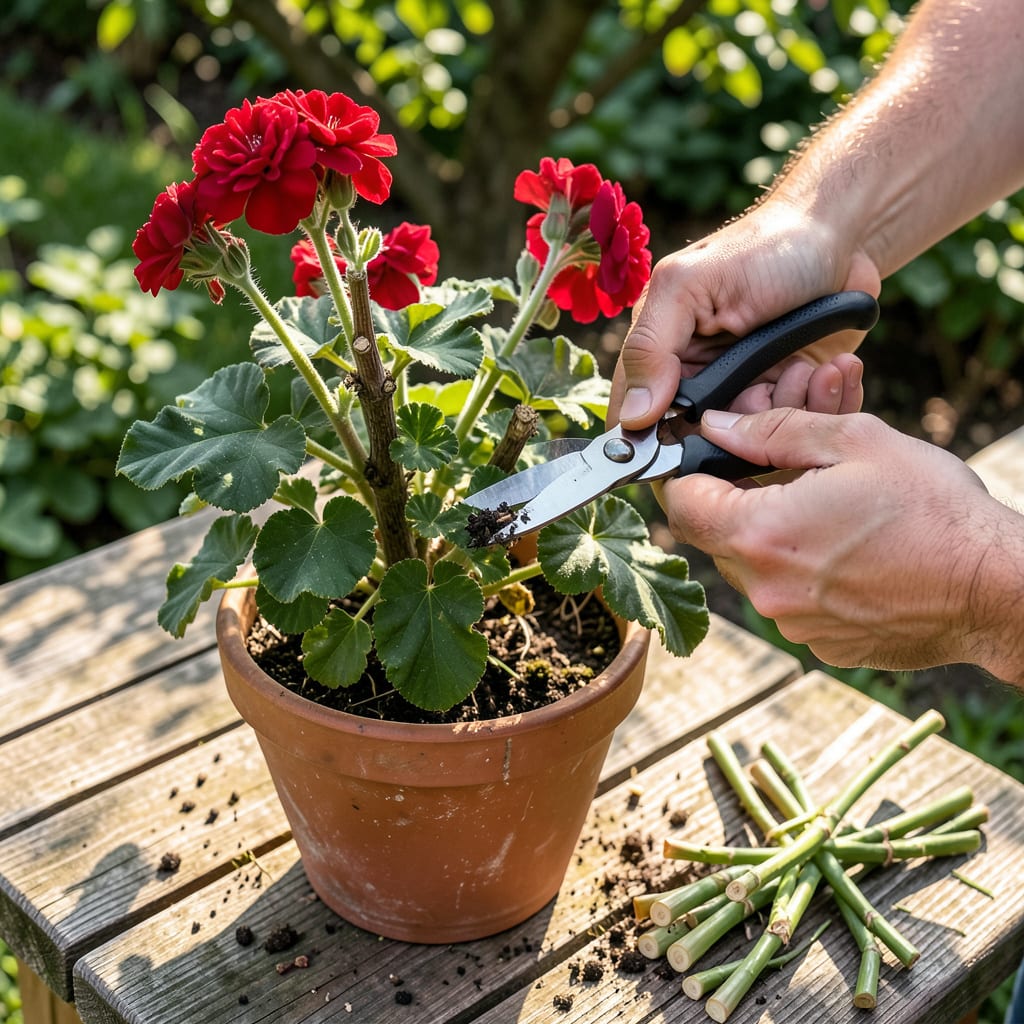
Geraniums thrive when pruned properly—but most gardeners either overdo it or skip it entirely. I’ve refined this method over years of trial and error, and the results speak for themselves: bushier plants with twice the blooms by midsummer. Pruning isn’t just maintenance; it’s how you unlock a geranium’s full potential, redirecting energy from scraggly growth to vibrant, compact foliage and flowers.
The timing and technique matter more than you’d think. Cut too late in the season, and you risk stunting new growth. Trim too aggressively, and you delay blooming. My approach eliminates the guesswork, focusing on three key cuts that encourage branching without stressing the plant. Even if you’ve killed geraniums before, this method resets their growth for a stronger, more floriferous season.
📚 In This Guide
This method transforms leggy plants into compact, flower-packed specimens—no guesswork required.
Begin pruning in early spring when new growth first appears at the base, or late summer after the main bloom cycle. Look for woody stems (thick, brown, and rigid) and leggy growth (long stems with sparse leaves). These are your primary targets, as they divert energy from new blooms.
Trace each stem to its base—you’ll notice dormant buds at leaf nodes. These are future growth points. Never prune when plants are actively flowering; you’ll sacrifice blooms. Instead, wait until 70% of flowers have faded for the best results.
Using sharp, sterilized pruners, cut just above a leaf node (where leaves or branches emerge) at a 45-degree angle. This angle prevents water pooling, which can rot stems. For woody stems, remove up to ⅓ of the plant’s height—this shocks the system just enough to trigger bushier regrowth.
Avoid leaving stubs; they invite disease. If a stem is completely bare, cut it back to the base. Healthy geraniums can handle aggressive pruning, but never remove more than 40% of the foliage in one session. You’ll see new shoots emerge within 7–10 days if done correctly.
Step back frequently to assess the plant’s shape. Aim for a rounded, open form that allows light and air to reach the center. Thin out crowded areas by removing crossing stems and those growing inward. This prevents fungal issues and encourages even growth.
Pinch back the tips of new growth with your fingers to promote branching. This technique, called tip pruning, forces the plant to produce two new stems where one was—doubling potential bloom sites. Do this every 2–3 weeks during the growing season for maximum bushiness.
After pruning, water deeply at the base (avoid wetting foliage) and apply a balanced, water-soluble fertilizer (10-10-10) at half strength. This gives the plant a nutrient boost without overwhelming stressed roots. Place the geranium in bright, indirect light for 3–5 days to reduce shock.
Monitor for new growth—healthy regrowth appears as bright green shoots. If stems turn black or mushy, you’ve over-pruned or used dull tools. In that case, reduce watering by half until the plant stabilizes. Within 3–4 weeks, you’ll have a fuller plant with more bloom sites than before.
Pruning geraniums is more art than science, but these insights will help you avoid common pitfalls and achieve stunning results.
The Timing Factor: The instructions specify pruning in early spring or late summer, and this timing is crucial. I learned the hard way that pruning during active flowering (when those vibrant blooms are tempting you) will sacrifice future flowers. Wait until exactly 70% of flowers have faded—this is the sweet spot where the plant has enough energy reserves to recover quickly while still benefiting from the pruning stimulus. Trust me, your patience will be rewarded with twice the blooms next cycle.
Cutting Technique: That 45-degree angle mentioned in Step 2 isn’t just for aesthetics—it’s functional. Water pools on flat cuts, creating a perfect environment for rot. When you make your cut just above the leaf node, visualize where new growth will emerge. I use the “two-finger rule”: place two fingers below the node you want to keep, then cut at an angle that slopes away from the bud. This ensures water runs off while directing growth outward for better airflow.
Aggressive Pruning Wisdom: The instruction to remove up to ⅓ of the plant’s height might seem drastic, but I’ve found this is where the magic happens. The key is distributing those cuts—don’t take ⅓ from one side only. Spread the reduction evenly across the plant, focusing on the oldest, woodiest stems first. Remember the 40% foliage rule: this isn’t arbitrary. Removing more than 40% stresses the plant’s ability to photosynthesize and recover. I use kitchen shears to roughly measure—if my handful of cuttings exceeds what would fit in a standard mug, I’ve probably overdone it.
Post-Pruning Vigilance: Those 3-5 days of bright, indirect light after pruning aren’t just suggestions—they’re critical for recovery. I place my geraniums near an east-facing window where they get gentle morning sun but avoid harsh afternoon rays. Watch for the first signs of new growth (those bright green shoots) within 7-10 days. If you don’t see them by day 12, check your cuts for signs of blackening or mushiness—this indicates either dull tools were used or the plant was over-pruned. In that case, reduce watering immediately and move to slightly brighter light to help it recover.
Prune in early spring (just before new growth starts) or late fall (after blooming slows). For overgrown plants, light pruning can be done anytime in the growing season—just avoid extreme heat or frost. A quick trim in summer can also encourage a second flush of flowers!
Yes, but sharp bypass pruners (or clean scissors) are best to avoid crushing stems. Dull blades can damage the plant, leading to disease. If using scissors, disinfect them with rubbing alcohol first and make clean, angled cuts just above a leaf node.
Over-pruning (removing >⅓ of the plant) or cutting too late in fall can delay blooms. Ensure it gets 6+ hours of sunlight daily and fertilize with a phosphorus-rich feed (like 10-20-10) post-prune. If stems are woody, try hard pruning in spring to rejuvenate growth.
Cut back leggy stems by ½ to ⅔, focusing on the tallest growth. Pinch off the tips of new shoots to encourage branching. For severe legginess, prune just above a leaf node—new growth will sprout below the cut, creating a fuller shape in 4-6 weeks.
Don’t toss them! Geranium cuttings root easily in water or moist soil. Strip lower leaves, dip the cut end in rooting hormone (optional), and place in a bright, indirect-light spot. Transplant once roots reach 1-2 inches long—free new plants!
