
Beautiful Plants For Your Interior
Beautiful Plants For Your Interior
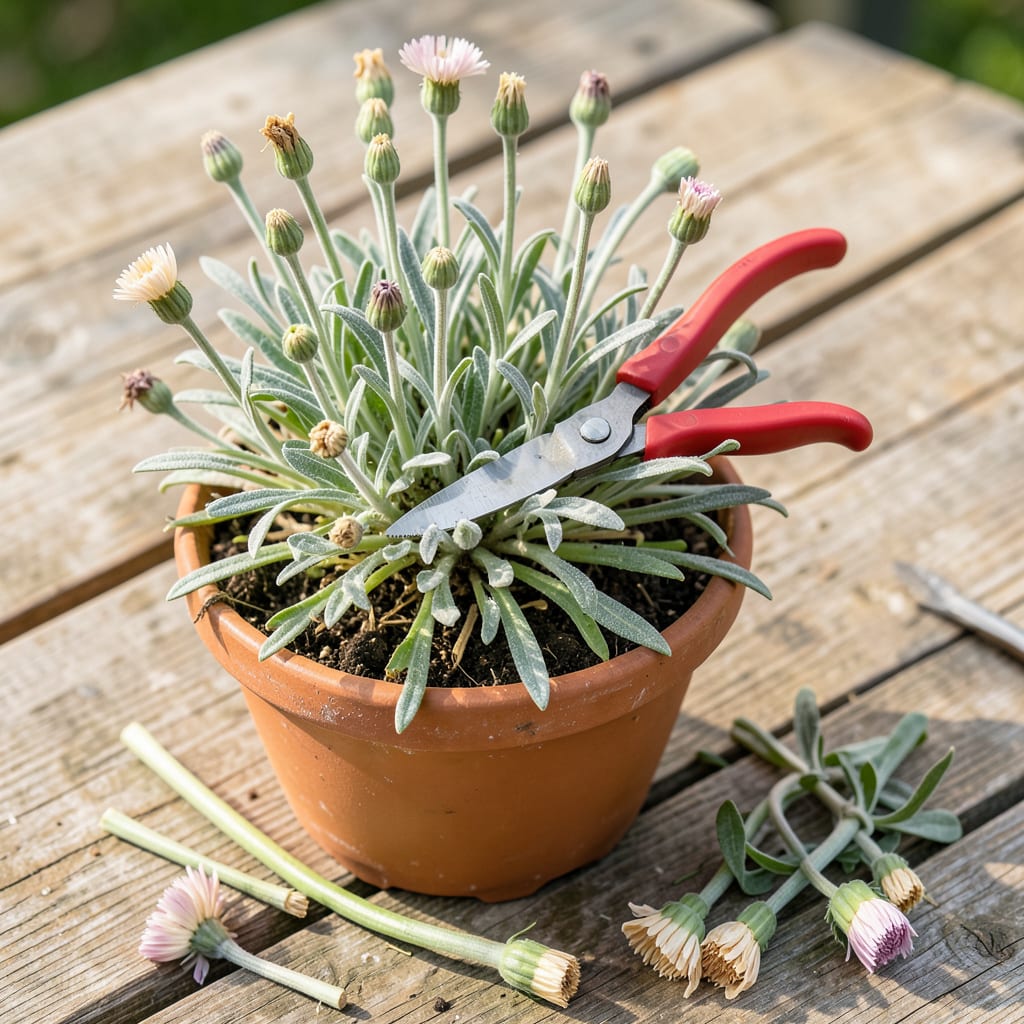
I used to think pruning dianthus was optional—until I saw what happened after my first proper trim. The difference was shocking: plants that had been leggy and sparse suddenly exploded with twice the blooms and a compact, bushy shape that lasted all season. This isn’t just maintenance; it’s the secret to transforming good plants into showstoppers.
Timing matters more than technique here. Cut back after the first big flush of flowers fades, usually in early summer, and you’ll trigger a second wave of growth. No fancy tools required—just sharp shears and 10 minutes of your time. The payoff? Plants that look better in August than they did in May, with flowers that keep coming until frost.
📚 In This Guide
This simple technique will transform your plants into fuller, flower-packed specimens with just minutes of work.
Wait until after the first major bloom cycle when about 70% of flowers have faded but before seed pods form. For most varieties, this happens 6-8 weeks after planting or in early summer. You’ll see the flower stems turning brown at the tips while new growth emerges at the base.
Never prune during active flowering—you’ll sacrifice current blooms without encouraging new ones. If your plants are fall-blooming varieties, delay pruning until after their second flush in autumn. The ideal window lasts about 2-3 weeks after peak bloom.
Use sharp bypass pruners (scissors work for small plants) and wipe the blades with rubbing alcohol to prevent disease spread. I keep a small spray bottle of water handy to mist the foliage lightly before cutting—this helps reduce stress on the plant during pruning.
Examine each stem carefully. You’re looking for the point where green growth meets brown flower stems—this is your cutting target. Remove any dead or diseased foliage at the base first to improve air circulation. Healthy plants should have at least 6 inches of green growth remaining after pruning.
Cut each flower stem back to just above a set of healthy leaves or side shoot, making a clean 45-degree angle cut. This angle prevents water pooling on the stem. For bushier growth, I make my cuts about 1/4 inch above a leaf node—this is where new branches will emerge.
Avoid cutting into bare wood—always leave some green growth. On mature plants, you can remove up to one-third of the total height without shocking the plant. Younger plants need gentler pruning—just trim back the spent flower stems. Collect all cuttings immediately to prevent pest attraction.
Step back occasionally to assess the plant’s shape. Your goal is a rounded, even form that allows light to reach the center. I like to make the top slightly narrower than the base—this “pyramid” shape prevents overcrowding as new growth appears.
After pruning, water deeply at the base (not overhead) to help the plant recover. Apply a light layer of compost around the dripline if your soil is poor. You should see new growth within 7-10 days—this confirms you pruned correctly. Remove any fallen debris from around the plant to prevent fungal issues.
Repeat this process every 4-6 weeks during the growing season, or after each major bloom cycle. The more consistently you prune, the bushier your plants will become. I mark my calendar after each session—it’s easy to forget when life gets busy.
Watch for signs of stress like yellowing leaves or stunted growth—this means you’ve either pruned too aggressively or the plant needs water. Healthy dianthus will reward you with 2-3 times more blooms than unpruned plants. The final pruning of the season should happen 6 weeks before your first frost to avoid tender new growth before winter.
Mastering these simple techniques will help you transform your dianthus from leggy to lush with minimal effort.
The Timing Factor: That 6-8 week window after planting mentioned in Step 1 is crucial—prune too early and you’ll stunt growth, too late and the plant wastes energy on seed production. I mark my calendar when I plant so I don’t miss this window. For fall-blooming varieties, watch for that second flush in autumn, then count 2-3 weeks after peak bloom to time your pruning perfectly.
Tool Preparation: The rubbing alcohol wipe in Step 2 isn’t just for cleanliness—it prevents spreading fungal spores between plants. I keep a small bottle of 70% isopropyl alcohol with my pruners. Also, those scissors for small plants? Make sure they’re sharp enough to cut cleanly through stems without crushing them. A clean cut heals faster.
Cutting Technique: The 45-degree angle and 1/4 inch above the leaf node in Step 3 aren’t arbitrary. This precise angle sheds water away from the cut, preventing rot, while that 1/4 inch space gives new shoots room to emerge without competition. I’ve found that making the cut slightly concave (like a shallow smile) collects even less water than a straight angle.
Seasonal Maintenance: That 4-6 week repeat schedule in Step 5 keeps plants compact and flowering. Here’s what nobody tells you—consistent pruning actually reduces your work over time. The more you prune, the less you’ll need to cut each session because the plant stays naturally bushier. I set phone reminders so I don’t let busy weeks turn into missed pruning opportunities.
The ideal time is early spring (just as new growth appears) or after the first bloom cycle in late spring/early summer. Avoid pruning in fall—new growth may not harden off before winter. For reblooming varieties, a light trim post-bloom encourages a second flush!
Regular scissors work for light deadheading, but use sharp bypass pruners (like Fiskars) for thicker stems to avoid crushing. Always sanitize tools with rubbing alcohol to prevent disease spread! Pro tip: Dull blades tear stems, inviting pests.
Leggy growth usually means under-pruning or poor light. Cut back by 1/3 of the height after blooming to encourage bushiness. If it’s flopping, stake stems before pruning. For severe cases, divide the plant in early spring to rejuvenate it!
Deadheading = removing spent flowers to redirect energy to new blooms. Pruning = cutting back stems/foliage to shape the plant or control size. Do both! Deadhead weekly; prune 1–2x/year. Bonus: Deadheading prevents self-seeding in hybrid varieties.
Avoid heavy pruning in extreme heat (above 85°F), but light trimming is fine if you:
