
Beautiful Plants For Your Interior
Beautiful Plants For Your Interior
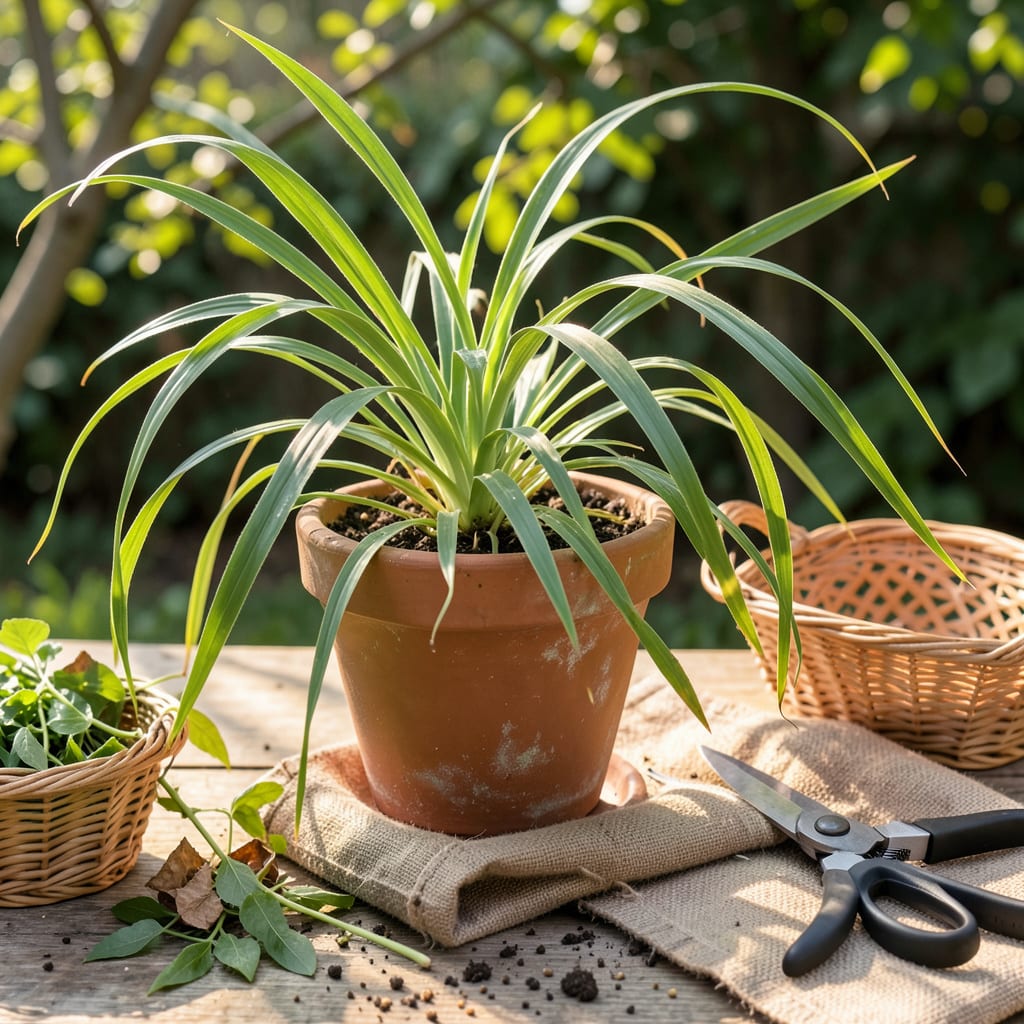
That leggy citronella plant in your pot could be twice as bushy—and twice as effective at keeping mosquitoes away. Pruning isn’t just about shaping; it’s how you trigger new growth and maximize those fragrant, pest-repelling leaves. I used to let mine grow wild until I realized a few strategic cuts made all the difference in density and potency.
Timing matters: late spring or early summer, when the plant is actively growing but not stressed by heat. You’ll need sharp shears (dull blades crush stems) and 10 minutes. The goal isn’t to hack it back but to remove one-third of the growth, focusing on the tallest, woodiest stems. Within weeks, you’ll see fresh shoots emerging exactly where you want them.
📚 In This Guide
Pruning your citronella properly encourages bushier growth and maximizes its mosquito-repelling power—here’s my foolproof approach.
Start pruning in early spring when you see new growth emerging from the base of the plant. This is when the plant has the most energy to recover and push out fresh stems. I avoid pruning in fall or winter because the plant needs its foliage to protect the roots during cooler months.
Look for stems that are 6-8 inches tall with several sets of leaves. If your plant is overgrown, don’t worry—citronella responds well to even aggressive pruning. Just make sure the weather is consistently above 50°F to prevent shock.
Begin by cutting out any brown, brittle, or clearly dead stems at their base. These won’t regrow and only drain energy from healthy parts. I use clean, sharp pruners and make cuts at a 45-degree angle just above a leaf node—this helps water run off and prevents rot.
Next, thin out weak, spindly stems that aren’t contributing to the plant’s shape. Focus on opening up the center of the plant to improve air circulation. You’ll know you’ve removed enough when you can see through the plant’s base without dense clutter.
Trim the remaining healthy stems by one-third to one-half of their length. Make each cut just above a leaf node where two leaves meet the stem. This is where new branches will sprout, creating that dense, bushy growth you want.
I like to step back occasionally to check the plant’s shape from all angles. Aim for a rounded form that’s slightly wider at the base than the top—this lets sunlight reach all parts of the plant. Don’t stress about perfection; citronella grows quickly and will fill in any gaps.
After pruning, remove all cuttings from around the plant to prevent pests or disease. I give my citronella a good drink of water right after pruning—this helps reduce stress and signals the plant to start pushing out new growth.
Within 2-3 weeks, you’ll see fresh shoots emerging from where you made your cuts. This is when your plant will really start taking off. Apply a balanced, water-soluble fertilizer at half strength to support this new growth phase.
Repeat this process every 6-8 weeks during the growing season. Regular pruning keeps the plant producing more of the aromatic oils that repel mosquitoes. I always make my final pruning of the season in late summer to give the plant time to harden off before winter.
Watch for flowers forming—pinch these off immediately. While pretty, they signal the plant to stop producing leaves (where the mosquito-repelling oils are concentrated). Your goal is leafy growth, not blooms.
Pruning citronella is simpler than you might think, but these key insights will help you avoid common pitfalls and get the most from your plant.
The Timing Factor: I can’t stress enough how important that 50°F threshold is in Step 1. Pruning when temperatures dip below this can shock your plant and stunt new growth. I learned this the hard way after losing a plant to an unexpected cold snap. Wait until you’re consistently above this temperature for at least a week before making your first cuts.
Cutting Technique: In Step 2, that 45-degree angle isn’t just for looks—it’s crucial for plant health. The slanted cut prevents water from pooling on the stem, which can lead to rot. I use bypass pruners rather than anvil-style because they make cleaner cuts that heal faster. Always sanitize your pruners with rubbing alcohol between plants to prevent disease spread.
Growth Stimulation: The one-third to one-half reduction in Step 3 might seem drastic, but this is what triggers citronella’s bushy regrowth. If you’re hesitant, start with one-third and you’ll still see great results. Remember, new stems will sprout from every cut you make above a leaf node, so more cuts (within reason) mean more branches and more mosquito-repelling foliage.
Post-Pruning Care: After completing Step 4, resist the urge to heavily fertilize immediately. The half-strength fertilizer mentioned is perfect—too much can burn new growth. I’ve found that a light application of compost tea works even better than synthetic fertilizers for encouraging those fresh shoots you’ll see in 2-3 weeks.
Prune your citronella every 4-6 weeks during the growing season (spring to early fall). Light trimming encourages bushier growth, while heavy pruning (once or twice a year) rejuvenates leggy plants. Avoid pruning in winter—your plant needs energy to survive dormancy!
For small trims, clean household scissors work, but sharp pruning shears (or bypass pruners) are ideal for thicker stems. Always disinfect tools with rubbing alcohol to prevent disease. Pro tip: Dull blades crush stems, slowing healing!
Brown tips often mean over-pruning or shock. Trim only 1/3 of the plant at a time, and water deeply afterward. If browning spreads, check for root rot (soggy soil) or pests. Remove dead growth to redirect energy.
Early morning is best—cooler temps reduce stress, and wounds dry faster before evening pests arrive. Avoid pruning in direct midday sun (risk of leaf scorch) or after rain (spreads fungi).
No! Regular pruning boosts oil production (the mosquito-repelling compound citronellal). Focus on trimming woody stems and dead leaves to encourage fresh, aromatic growth. For max protection, crush a few leaves after pruning to release oils!
