
Beautiful Plants For Your Interior
Beautiful Plants For Your Interior
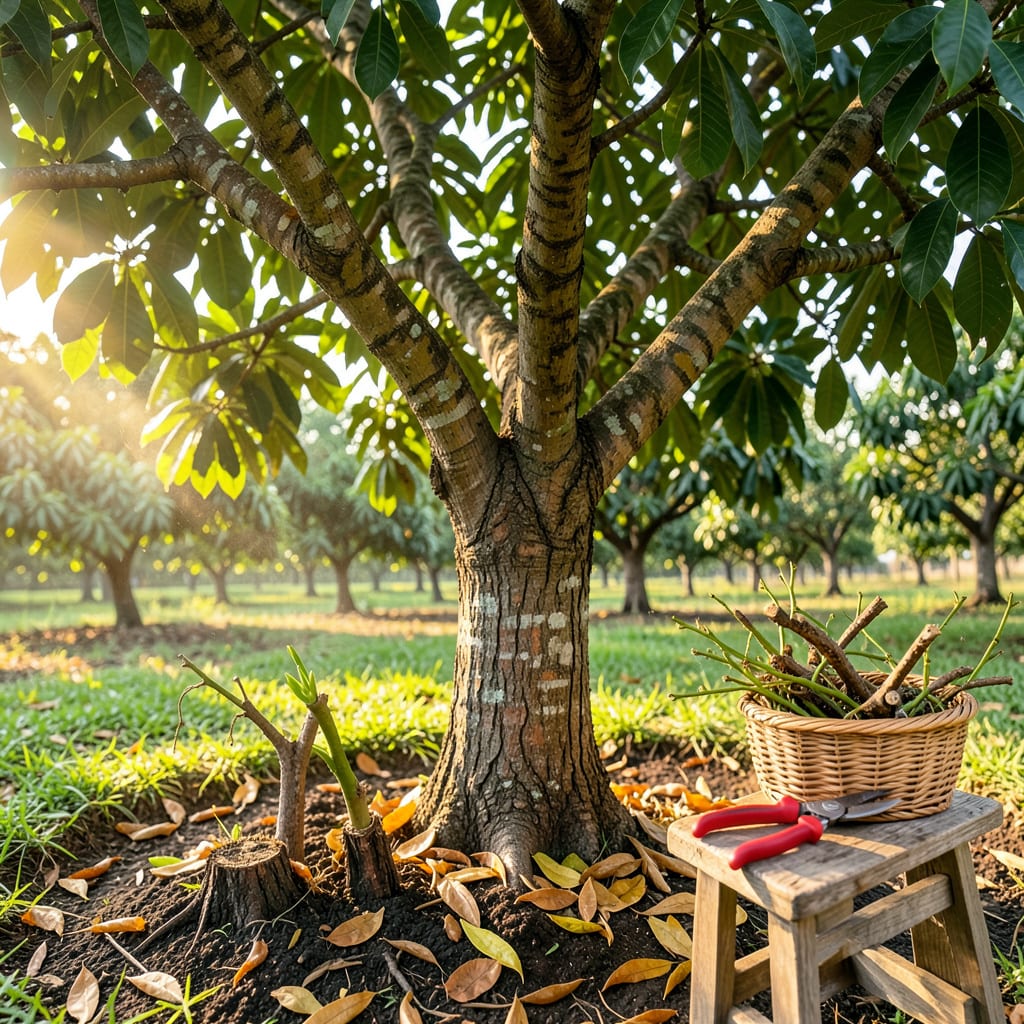
Pruning a mango tree changed everything for my backyard harvest. What started as a scraggly, overgrown mess now produces twice the fruit—sweeter, bigger, and easier to pick. The secret isn’t just cutting branches; it’s knowing which ones to remove and when to do it for maximum impact.
Timing matters more than you’d think. Prune after harvest but before new growth starts, and you’ll set the tree up for next season’s success. I’ll walk you through the exact cuts that balance shape, health, and fruit production—no guesswork, just results. Even if you’ve never touched pruning shears before, this method keeps it simple and effective.
📚 In This Guide
Pruning transforms a mango tree from unruly to productive—here’s how to do it without harming your harvest.
Prune immediately after harvest when the tree is still actively growing but not flowering. In most climates, this falls between late summer and early fall. Look for a day with dry weather and temperatures above 60°F—wet conditions spread disease, and cold shocks the tree.
Stand back and observe the tree’s shape. Note where branches cross, where foliage looks dense, and where last year’s fruit formed. You’ll want to open the canopy to sunlight while preserving the main scaffold branches that support future harvests. Don’t remove more than 20% of the canopy in one season—over-pruning stresses the tree.
Start with the “three D’s”: dead, dying, and diseased wood. Cut these branches back to healthy tissue, making your cut 1/4 inch above a bud or lateral branch. Use clean, sharp bypass pruners for branches under 1/2 inch thick, and a pruning saw for anything larger.
Next, tackle branches that rub against each other or grow inward toward the trunk. These create wounds that invite pests and block airflow. Remove the weaker of any crossing branches entirely. Step back frequently to check your progress—the goal is an open, vase-like shape that lets sunlight reach the center.
Focus on removing one-third of the oldest branches each year to encourage new, fruitful growth. Target branches that grow straight up (called “water sprouts”) or downward—they rarely bear quality fruit. Cut just above an outward-facing bud to direct new growth away from the center.
Leave the main scaffold branches intact unless they’re damaged. These thick, primary limbs form the tree’s structure. Thin secondary branches to about 12-18 inches apart along each scaffold. You’ll see the difference immediately—more light reaches the inner branches, which means more flowers next season.
Stand on all sides of the tree to check for balance. The final shape should allow you to toss a football through the center without it hitting branches. Make any final cuts to achieve this openness, always cutting just above a bud or lateral branch at a 45-degree angle to prevent water pooling.
Collect all cut material and dispose of it away from the tree—don’t compost diseased wood. Apply a thin layer of horticultural oil spray to your pruning tools after use to prevent rust, and store them in a dry place. Water the tree deeply after pruning to help it recover, but avoid fertilizing until new growth appears in 2-3 weeks.
Pruning a mango tree can feel intimidating at first, but these practical insights will help you avoid common pitfalls and set your tree up for healthier growth and better harvests.
Timing is Everything: The window between late summer and early fall mentioned in Step 1 isn’t arbitrary—this is when the tree has finished fruiting but hasn’t started flowering for next season. I’ve found that pruning during this period gives the tree enough time to heal before winter dormancy. Avoid pruning during flowering or when fruit is developing, as this can significantly reduce your harvest.
Tool Preparation Matters: Before you start cutting, take a moment to clean your pruning tools with rubbing alcohol. This simple step prevents spreading disease between cuts, especially when dealing with the “three D’s” in Step 2. I keep a small spray bottle of alcohol handy to clean blades between major cuts. Also, sharpen your bypass pruners—they should make clean cuts without crushing the bark.
The 20% Rule is Critical: It’s tempting to remove more than 20% of the canopy when you see how dense the tree has become, but resist the urge. I learned this the hard way after over-pruning a young tree—it took two seasons to recover fully. If your tree is severely overgrown, spread the pruning over two or three seasons instead of doing it all at once. Remember, you’re aiming for gradual improvement, not instant perfection.
Angle and Placement of Cuts: When making cuts in Steps 2 and 3, always cut at that 45-degree angle mentioned in Step 4, about 1/4 inch above a bud. This angle allows water to run off rather than pool on the cut surface, which can lead to rot. Also, when possible, cut just above a bud that’s facing outward—this encourages new growth to expand the canopy rather than grow inward.
Prune right after harvest (late summer to early fall) to avoid stressing the tree during fruiting season. In warm climates, light pruning can also be done in late winter before new growth starts. Avoid pruning during flowering or extreme heat—it can reduce yield or invite pests.
Never remove more than 20-30% of the canopy in a single session. Over-pruning shocks the tree, stunts growth, and may delay fruiting. Focus on dead/diseased branches first, then shape gradually over 2-3 seasons for major changes.
Yes! Selective pruning (removing crowded, weak, or inward-growing branches) boosts fruit quality by improving airflow and sunlight. Avoid heavy cuts on fruiting wood—stick to thinning and light shaping. Proper pruning often increases yields long-term.
Young trees (1-3 years): Prune lightly to train structure—remove competing leaders and low branches. Mature trees (4+ years): Focus on thinning dense areas, removing deadwood, and maintaining height for easy harvest. Never top a mature tree!
Avoid drastic height reduction (it triggers weak regrowth). Instead:
