
Beautiful Plants For Your Interior
Beautiful Plants For Your Interior
I used to think pruning fig trees was optional—until I saw what happened when I finally did it right. That first summer after proper pruning, my tree produced twice as many figs, and the branches actually had room to breathe. Turns out, those cuts aren’t just about shaping; they’re about redirecting energy where it matters […]
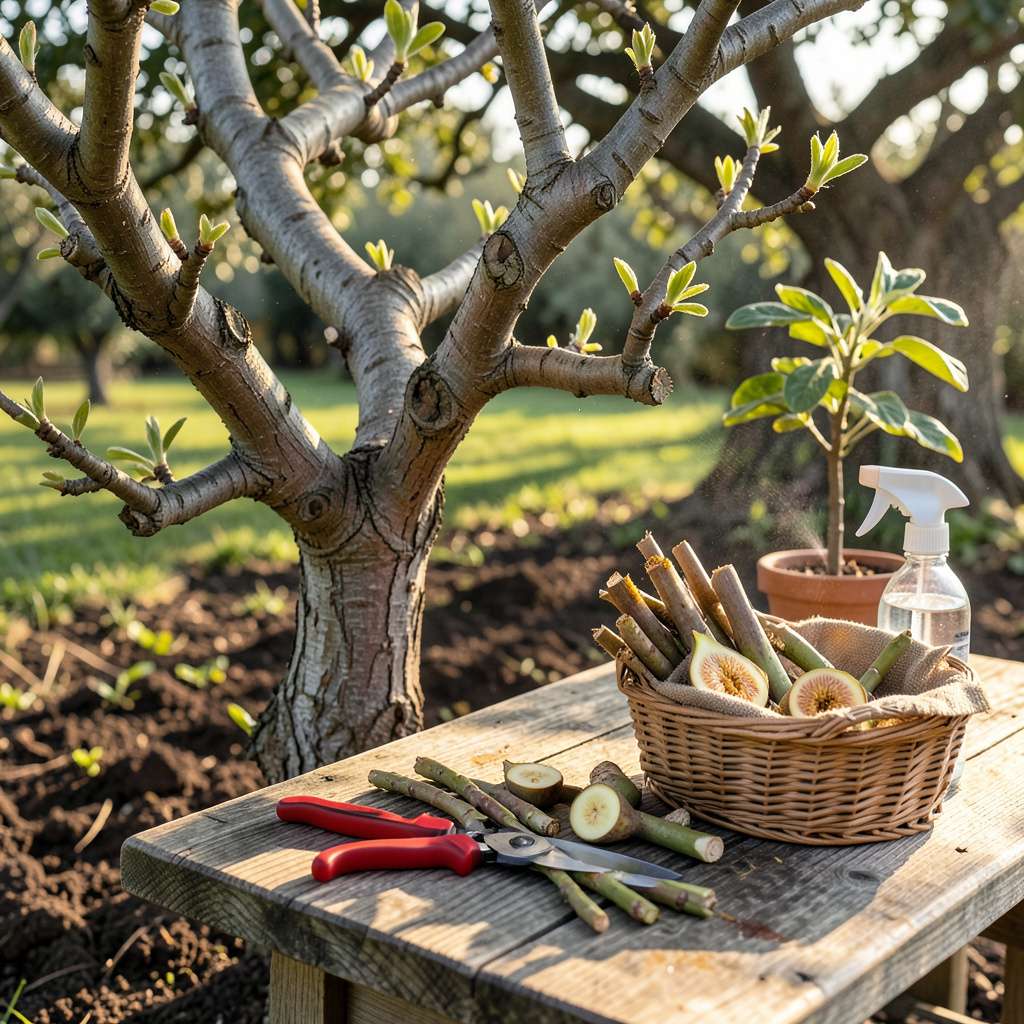
I used to think pruning fig trees was optional—until I saw what happened when I finally did it right. That first summer after proper pruning, my tree produced twice as many figs, and the branches actually had room to breathe. Turns out, those cuts aren’t just about shaping; they’re about redirecting energy where it matters most: to the fruit you actually want to eat.
The real magic happens when you understand that fig trees fruit on new growth. Every snip you make is a decision: remove the old, weak wood to make space for the strong, productive branches that will carry next year’s harvest. I’ve seen neglected trees transformed in a single season just by removing a few key branches at the right time.
What you’re left with is a tree that’s easier to harvest, less prone to disease, and—here’s the kicker—actually produces larger, sweeter figs. The first time I bit into a fig from my newly pruned tree, I understood why gardeners get so particular about their pruning shears. This isn’t just maintenance; it’s how you turn a good harvest into a great one.
Whether you’re working with a young sapling or a decades-old tree, the principles stay the same. The difference is in where you make your cuts and how much you remove—and I’ll walk you through exactly how to make those calls without second-guessing yourself.
📚 In This Guide
Pruning doesn’t have to be intimidating—here’s how I approach it to keep my fig trees healthy and productive year after year.
The best window for pruning fig trees is in late winter or early spring, just before new growth begins. I wait until the last hard frost has passed but while the tree is still dormant. This timing prevents cold damage to fresh cuts while allowing the tree to heal quickly once warm weather arrives.
You’ll know it’s time when you see the first tiny leaf buds swelling on the branches but before they’ve opened. Avoid pruning in fall—those fresh cuts won’t have time to harden off before winter, leaving your tree vulnerable to disease and frost damage.
Start by cutting out any dead or diseased wood—these branches will appear dry, brittle, or discolored. Make clean cuts at a 45-degree angle just outside the branch collar (that slightly swollen area where the branch meets the trunk). This angle helps water run off instead of pooling on the cut surface.
Next, look for branches that cross or rub against each other. These create wounds that invite pests and disease. Remove the weaker of the two branches completely. I always step back after each cut to reassess the tree’s shape—it’s easier to remove more later than to fix over-pruning.
Fig trees produce best when their centers receive good airflow and sunlight. Remove about 20-30% of the oldest branches each year, focusing on those growing inward toward the center. I aim to create an open vase shape that lets sunlight reach the inner branches where fruit develops.
Cut these branches back to their point of origin or to a strong lateral branch. Never leave stubs—these die back and become entry points for rot. After thinning, you should be able to see through the canopy when looking at the tree from any angle.
For the remaining branches, I shorten them by about one-third of their length. Make these cuts just above an outward-facing bud—this encourages the new growth to spread outward rather than crowding the center. The buds look like small bumps on the branches and are easiest to spot in late winter.
Focus on keeping the tree at a manageable height—6-8 feet tall works well for most home gardeners. This makes harvesting easier and keeps the tree’s energy focused on producing fruit rather than excessive vegetative growth. Step back frequently to check your progress and maintain balanced shape.
Remove all cut branches from around the tree to eliminate hiding places for pests. I like to sanitize my pruning tools with rubbing alcohol between cuts, especially when removing diseased wood. This simple step prevents spreading problems to healthy parts of the tree.
Apply a thin layer of horticultural balm to any cuts larger than 1 inch in diameter to protect against pests and disease. Water the tree deeply after pruning to help it recover. You’ll see new growth emerging within 2-3 weeks, signaling your tree is ready for the growing season ahead.
Pruning fig trees becomes much easier once you understand these key details that make all the difference in your tree’s health and productivity.
Timing Precision: The late winter or early spring window mentioned in Step 1 is absolutely critical. I’ve found that pruning just as the leaf buds begin to swell—but before they open—gives the tree exactly what it needs to heal quickly. If you prune too early in winter, the cuts may not callus properly before spring growth begins. Too late, and you risk removing potential fruit-bearing wood that’s already started developing.
Cutting Technique: When making those 45-degree angle cuts in Step 2, pay special attention to the branch collar. This slightly swollen area where the branch meets the trunk contains specialized cells that help the tree heal. Cutting too close damages these cells, while cutting too far leaves a stub that can rot. I like to visualize making the cut just outside an imaginary line extending from the branch collar.
Canopy Management: The 20-30% thinning recommendation in Step 3 might seem aggressive, but it’s the secret to better fruit production. I use this rule: after thinning, I should be able to toss a baseball through the center of the tree without it hitting branches. This “baseball test” ensures proper airflow and sunlight penetration. Remember that figs produce fruit on new growth, so opening up the center actually encourages more fruiting wood.
Height Control: Maintaining that 6-8 foot height range in Step 4 isn’t just about convenience—it’s about fruit quality. Taller trees put more energy into vertical growth rather than fruit production. I’ve noticed that when I keep my trees at the lower end of this range (around 6 feet), the figs tend to be larger and sweeter because the tree isn’t stretched too thin supporting excessive foliage.
The ideal time is late winter or early spring (before new growth starts) when the tree is dormant. Avoid pruning in fall, as fresh cuts may not heal before winter. In warm climates, light pruning can also be done in summer to shape the tree or remove damaged branches.
Done correctly, pruning boosts fruit production by redirecting energy to healthy branches! Over-pruning (removing more than 20-30% of the canopy) can temporarily reduce yield, so stick to thinning crowded branches and cutting back weak growth.
Yes, but avoid heavy pruning during harvest season. Light trimming to remove deadwood or suckers is fine. If you must prune actively fruiting branches, do it right after harvest to minimize stress. Wait until dormancy for major cuts.
Young trees (1-3 years) need minimal pruning—focus on removing competing leaders and shaping the framework. Mature trees benefit from thinning cuts to improve airflow and fruit access, plus heading back overgrown branches to encourage new growth.
Yes! Fig trees often “bleed” sap when pruned, especially in spring. It’s harmless and will stop on its own. To minimize it, prune in late winter or avoid cutting during wet weather. No need to seal wounds—just let the tree heal naturally.
