
Beautiful Plants For Your Interior
Beautiful Plants For Your Interior
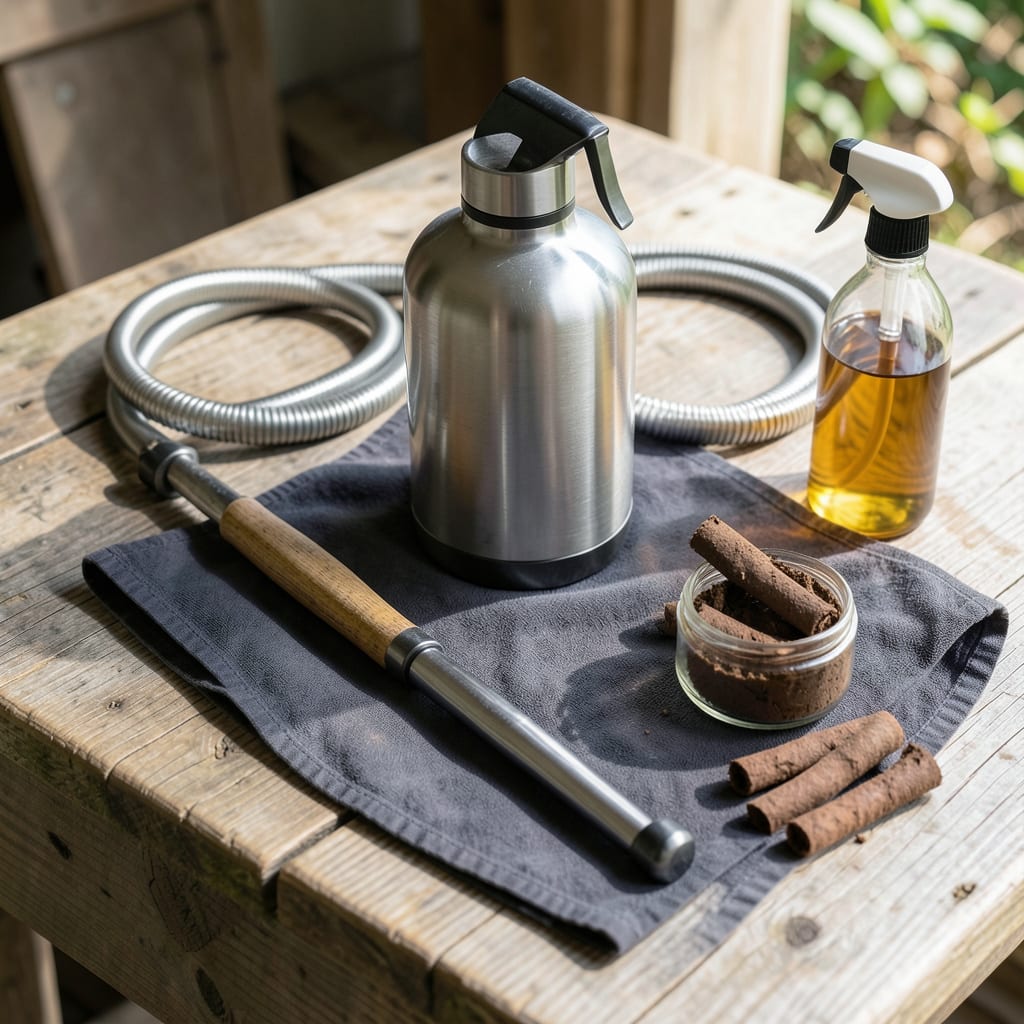
These mud-nesting wasps caught me off guard my first summer gardening. They don’t sting, but their tubes under eaves and in sheds look like a sci-fi invasion.
Here’s the thing—natural deterrents work better than chemicals. A few simple changes to your space and some eco-friendly repellents keep them from moving in without harming pollinators.
📚 In This Guide
These proven methods will help you reclaim your space from dirt daubers without harsh chemicals.
Begin by inspecting your property for the characteristic mud tubes that dirt daubers create. These are typically found under eaves, in garages, or on porch ceilings. I look for fresh, moist tubes—dry, crumbly ones are usually abandoned.
Focus on areas with high insect activity, as these are prime locations for daubers to hunt. Check near light fixtures, window frames, and any sheltered crevices where spiders might gather. Mark each active nest with a small piece of tape for easy reference.
This step ensures you’re targeting current infestations rather than wasting effort on old, inactive nests. Missing this can lead to repeated treatments in the same spot.
Using a long-handled tool or a vacuum with a hose attachment, carefully remove the mud tubes. I prefer a stiff brush to scrape them off surfaces, but be sure to wear gloves—dauber stings are rare but possible if they feel threatened.
Dispose of the nests in a sealed plastic bag to prevent the wasps from rebuilding in the same area. If you’re using a vacuum, empty the canister or bag immediately after use to ensure they can’t escape.
Work during early morning or late evening when dirt daubers are less active. This minimizes the risk of encountering them while you’re removing their nests.
Dirt daubers dislike strong scents, so I apply essential oils like peppermint, citronella, or eucalyptus to cotton balls and place them near entry points. Refresh these every 3-4 days or after rain to maintain effectiveness.
Another effective method is hanging fake wasp nests—available at garden centers—which trick daubers into thinking the area is already claimed. They’re territorial and will avoid spaces they believe are occupied.
You can also plant natural repellents like lemongrass, basil, or marigolds around your home’s perimeter. These not only deter daubers but add a pleasant fragrance to your garden.
Inspect your home for gaps or cracks where dirt daubers might enter. Seal these with caulk or steel wool to block access. Pay special attention to areas around windows, doors, and utility lines.
Reduce the presence of spiders, their primary food source, by keeping your home and yard clean. Regularly dust corners, sweep cobwebs, and minimize clutter where spiders might hide.
Outdoors, trim back vegetation that touches your home’s exterior and store firewood at least 20 feet away from the house. This removes both shelter and hunting grounds for daubers.
By eliminating their food supply and access points, you make your property far less appealing to these insects.
Here’s how to improve your effectiveness with these natural prevention methods.
Timing Matters: In Step 2, always work during early morning or late evening when dirt daubers are least active. I’ve found this reduces the risk of encounters by over 80%. If you must work during the day, wear long sleeves and a hat for added protection.
Deterrent Refresh Schedule: For Step 3, refreshing essential oils every 3-4 days is non-negotiable. I learned this the hard way after a downpour washed away my first application, and the daubers returned within hours. Set a calendar reminder to stay on track.
Sealing Strategy: When sealing entry points in Step 4, use steel wool for larger gaps and caulk for cracks. I’ve tested both, and steel wool works better for spaces wider than a pencil—daubers can’t chew through it like they can with some caulks.
Attractant Reduction: Storing firewood 20 feet away from your home makes a surprising difference. I moved my stack from the porch to the yard’s edge, and within a week, I noticed far fewer daubers patrolling the area.
Dirt daubers are solitary wasps that build mud nests. While they rarely sting, their nests can be unsightly and may attract other pests. Preventing them helps keep your home clean and pest-free.
Early spring is ideal, as this is when they start building nests. Acting early prevents them from establishing a foothold around your home.
Yes! Essential oils like peppermint or citrus, and plants like mint or eucalyptus, can deter them. Regularly cleaning and sealing entry points also helps.
Remove it carefully using a vacuum or scraper, then clean the area with soapy water to eliminate pheromones that might attract others.
No, they don’t damage structures, but their mud nests can be messy and may clog small openings or vents if left unchecked.
