
Beautiful Plants For Your Interior
Beautiful Plants For Your Interior
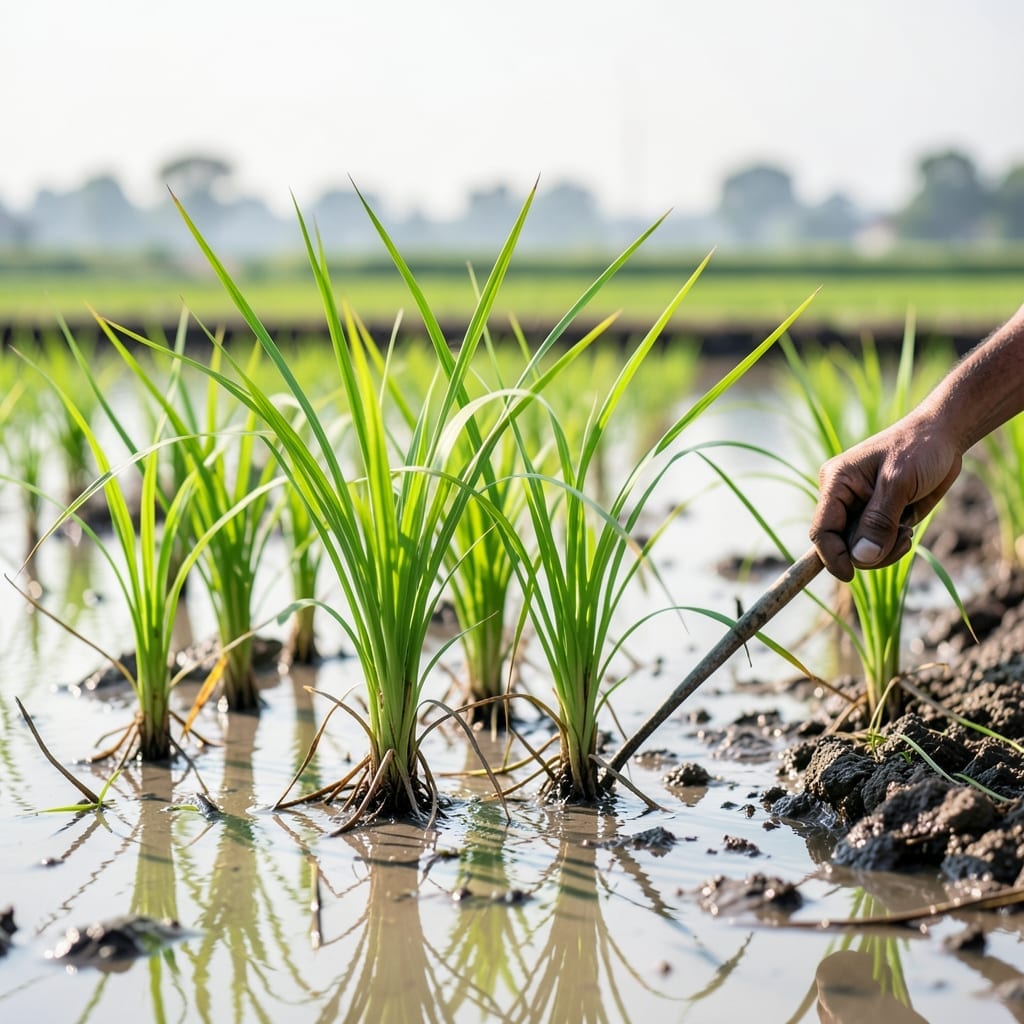
Growing rice at home might seem daunting, but with the right approach, even small-scale gardeners can cultivate this staple crop successfully. Whether you have a backyard pond or just a few containers, planting 🌾 Rice can be a rewarding and educational experience.
I’ve discovered that the key lies in understanding the specific needs of this water-loving grain. From soil preparation to water management, every detail matters when you’re learning to grow Rice.
Discover the 3 steps that will transform your garden into a thriving rice paddy. Let’s get started on this unique gardening adventure together.


Planting rice at home starts with selecting the right variety for your climate. I recommend short-grain types like ‘Calrose’ for cooler areas and long-grain ‘Jasmine’ for warmer zones. These adapt well to container gardening too.
Preparing the planting area is crucial. For best results, create a water-retentive bed or use deep containers. Rice thrives in clay soil that holds moisture but drains slowly. Test your soil’s pH level – aim for 5.0 to 6.5.
Once your seeds are soaked, it’s time to plant. I’ve found that direct sowing works best for rice. Scatter the pre-soaked seeds over your prepared bed, then gently press them into the muddy soil about 0.5 inches deep.
For container growing, use buckets or barrels with drainage holes. Fill them with clay-rich soil and maintain a constant water level. The water should always cover the soil surface, creating a mini paddy environment.
The first two weeks are critical for establishment. Keep the soil constantly flooded but ensure the water is shallow enough to allow sunlight penetration. I check daily to maintain the right water depth and remove any weeds.
As your rice plants grow, they’ll need more space. When seedlings reach about 4 inches tall, thin them to 6 inches apart. This prevents overcrowding and ensures each plant gets enough nutrients and sunlight.
Fertilizing is key to healthy rice plants. I apply a high-nitrogen fertilizer every 4-6 weeks during the growing season.
Monitor your plants for pests like stem borers or disease signs. Yellowing leaves might indicate nutrient deficiencies, while spotted leaves could signal fungal issues. I find that neem oil works well for many common problems.
With proper care, your rice should be ready for harvest in 90-120 days. The grains will turn golden yellow, and the stems will become dry and brittle. This is when you’ll know your homegrown rice is ready to enjoy the fruits of your labor. 🌾
Creating the right growing environment is vital for home rice cultivation. I’ve learned that rice thrives in warm climates with consistent water availability. The ideal temperature range is 70-95°F during the growing season.
Rice requires full sun exposure for at least 6 hours daily. In my experience, southern-facing locations work best for outdoor planting. For container growing, place your pots where they’ll get uninterrupted sunlight.
| Requirement | Specification |
|---|---|
| Sunlight | Full sun, 6+ hours daily |
| Water Depth | 2-3 inches during growth |
| Soil Type | Clay-rich, pH 5.0-6.5 |
| Temperature | 70-95°F optimal range |
| Planting Time | Spring after last frost |
The soil conditions are perhaps the most critical factor. Rice needs clay-heavy soil that can retain water effectively. I always test my soil’s pH level before planting, aiming for that slightly acidic range of 5.0 to 6.5.
Water management is what makes rice different from most garden plants. You’ll need to maintain a constant flood of 2-3 inches throughout the growing season. I use a simple drip system with a timer to keep the water level consistent.
Avoid the common mistake of letting the water dry out. Even 24 hours without proper moisture can stress your plants. Also, ensure your containers or beds have good drainage to prevent root rot from stagnant water.
With these essential conditions met, your rice plants will grow strong and healthy. Remember, consistency in water and sunlight is key to a successful harvest. 🌾