
Beautiful Plants For Your Interior
Beautiful Plants For Your Interior
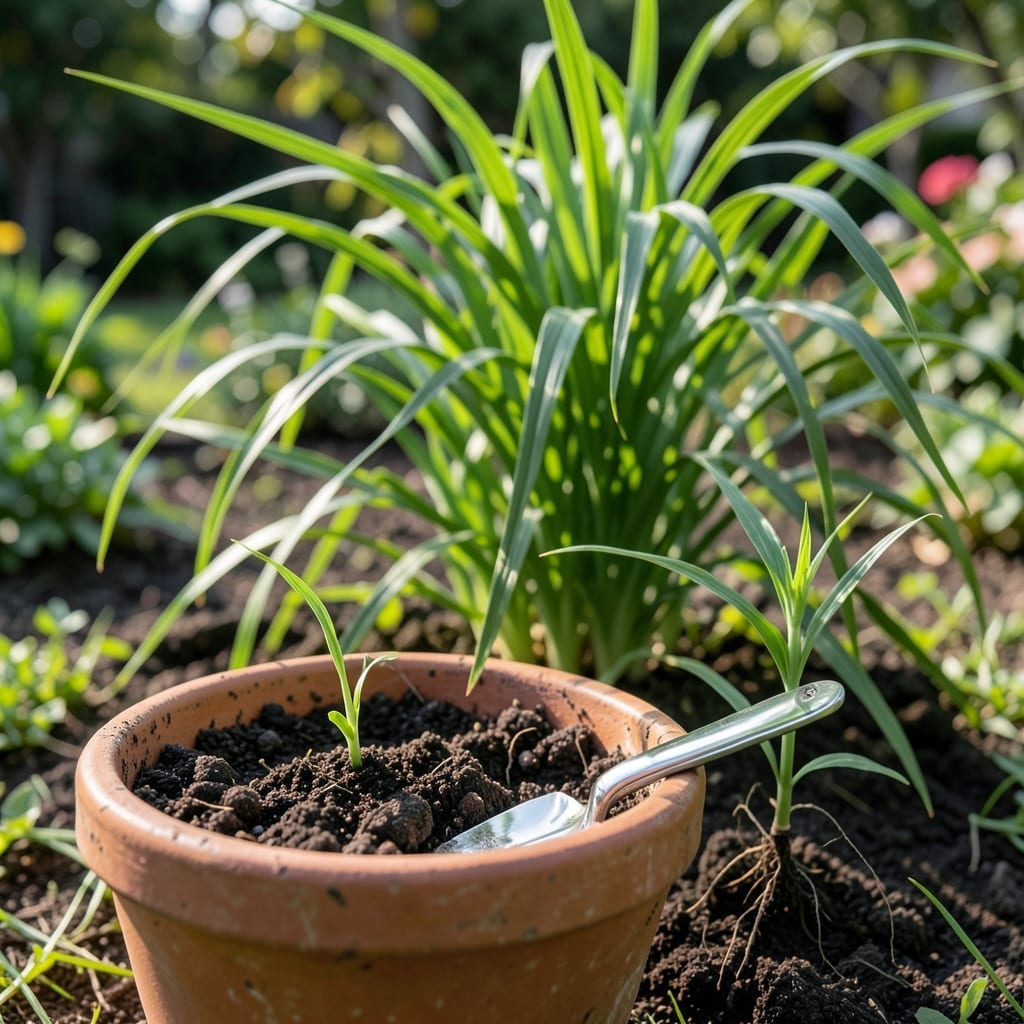
Imagine stepping outside to snip fresh 🌿 Lemongrass for your next dish, all from a pot on your patio. Container growing makes this possible, even in small spaces.
I’ve found that with the right container and soil, Lemongrass thrives just as well in pots as it does in the ground. The key is starting with a solid foundation.
In this guide, I’ll walk you through every step, from choosing the perfect pot to keeping your plant healthy. It’s easier than you might think.
Whether you’re a beginner or just looking to refine your approach, you’ll find practical tips to ensure success with your potted Lemongrass.

Growing lemon grass in containers is a rewarding project for any gardener. I love how it brings a tropical vibe to my patio while being incredibly practical. The process starts with selecting the right materials.
You’ll need a large pot, ideally 12-16 inches deep, to accommodate the roots. Ensure it has drainage holes to prevent waterlogging, which can rot the roots.
Once your pot is ready, fill it with a light, well-draining potting mix. I recommend adding a bit of compost or organic matter to boost fertility. Lemon grass prefers soil that stays moist but never soggy.
If you’re planting from a stalk, trim the top and soak the base in water for a week until roots form. For seedlings, gently remove them from their nursery pot and loosen the roots before planting.
Place your lemon grass in the pot so the base sits 1-2 inches deep. Space multiple stalks 6 inches apart if planting more than one. This gives them room to grow without competing for nutrients.
After planting, give it a deep watering until water runs out the drainage holes. This helps settle the soil and removes air pockets. From then on, water when the top inch of soil feels dry.
Position your pot where it gets full sun—at least 6 hours daily. Lemon grass thrives in warmth, so a south-facing patio or balcony is ideal. If you’re in a cooler climate, consider moving it indoors during winter.
Feed your lemon grass with a balanced fertilizer every 4-6 weeks during the growing season. I use a 10-10-10 formula and apply it in the early morning for best results.
Watch for new growth in about 2-3 weeks. Once stalks reach 12-18 inches tall, you can start harvesting. Always cut the outer stalks first, leaving the center to continue growing.
With consistent care, your potted lemon grass will thrive and provide fresh stalks for months. It’s a low-maintenance plant that rewards you with fragrant foliage and flavorful harvests 🌿
Choosing the right container and soil mix is crucial for healthy lemon grass. I’ve learned that the wrong pot can stunt growth or even kill the plant before it gets started.
Your lemon grass needs room to spread, so a 12-16 inch deep pot is ideal. Drainage holes are non-negotiable—without them, roots will rot in standing water.
| Requirement | Specification |
|---|---|
| Pot Size | 12-16 inches deep |
| Drainage | Holes required |
| Material | Terracotta or plastic |
| Soil Type | Well-draining mix |
| Soil pH | 6.0-7.5 |
For materials, terracotta pots are great because they’re porous and allow roots to breathe. However, plastic pots work too and retain moisture better in hot climates.
When it comes to soil, avoid heavy garden soil. Instead, use a light potting mix designed for containers. I mix in compost or coconut coir for extra nutrients and moisture retention.
The ideal soil pH for lemon grass is 6.0 to 7.5. If you’re unsure about your mix, a simple soil test kit can help you adjust it before planting.
If you’re reusing a pot, be sure to clean it thoroughly to prevent diseases. A quick scrub with soapy water and a rinse with a bleach solution (1 part bleach to 9 parts water) does the trick.
With the right pot and soil, your lemon grass will establish quickly and grow vigorously. It’s amazing how such simple choices can make a big difference in your plant’s health and productivity 🌱