
Beautiful Plants For Your Interior
Beautiful Plants For Your Interior
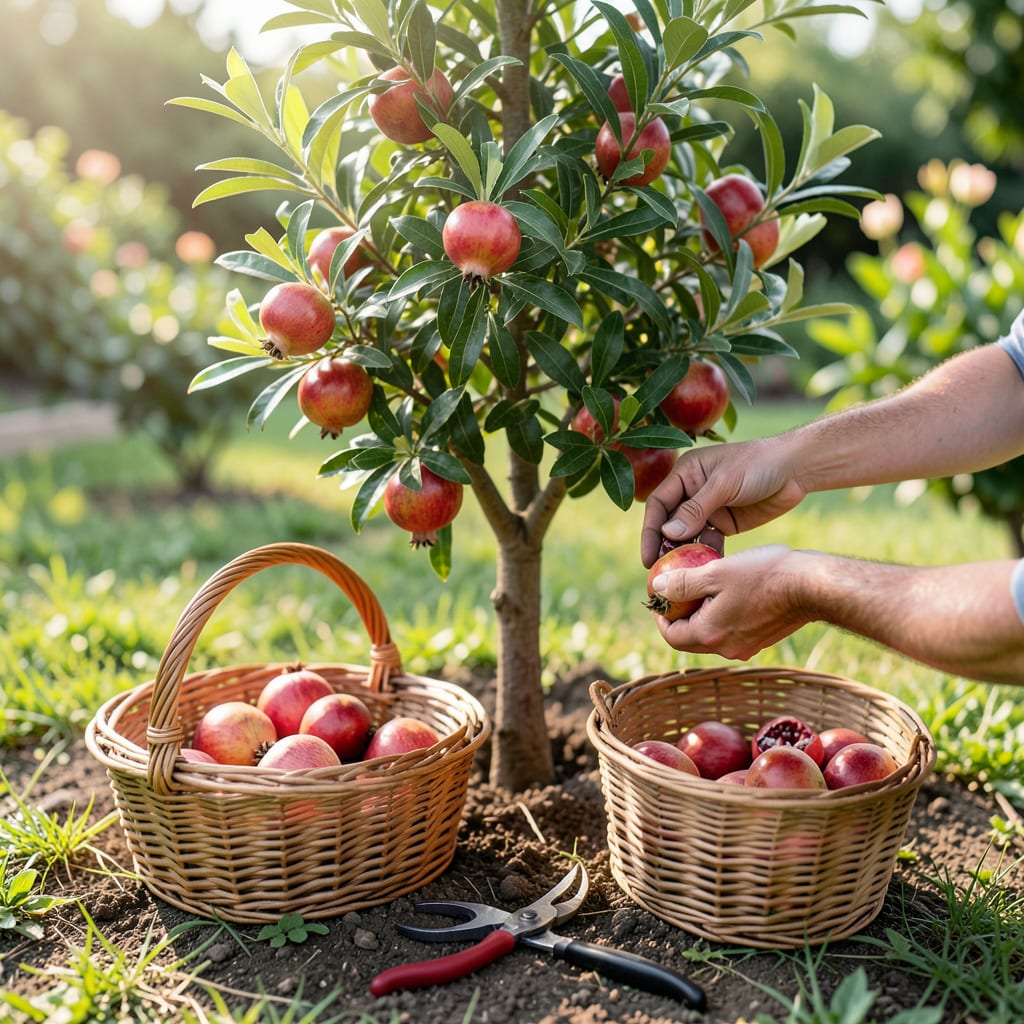
Nothing beats the frustration of cutting into a 🍇 Pomegranate only to find it sour and underripe. I’ve been there, and it’s a disappointment no gardener wants to face.
That’s why I’m sharing the foolproof signs to pick the sweetest fruits every time. Discover the visual and tactile cues that guarantee perfect ripeness for your harvest.


I’ve learned that color is your first clue. A ripe pomegranate shifts from green to a deep red or purple hue, depending on the variety. Some types even turn pinkish-yellow when ready. Don’t rely on just one spot—check the entire fruit for even coloring.
The shape matters too. Ripe pomegranates take on a hexagonal look with slightly flattened sides, unlike the round shape of unripe ones. This change happens as the arils inside plump up with sweet juice.
Next, feel the skin texture. Immature fruits have a smooth, shiny surface, while ripe ones develop a slightly rough or leathery feel. This texture change signals the arils inside are fully developed.
The weight test is my favorite. Pick up a few fruits of similar size and compare. The heaviest one will always be the ripest because the juice content increases as it matures. This method never fails me.
Don’t overlook the stem area. When the stem dries out and the surrounding calyx (flower remnants) hardens, it’s a sure sign the fruit is ready. A green stem or soft calyx means it needs more time on the tree.
I’ve noticed that size isn’t everything. Some smaller pomegranates can be sweeter and more flavorful than their larger counterparts. Focus on the other ripeness signs rather than just the fruit’s diameter.
For Wonderful variety pomegranates, which are common in home gardens, look for a bright red color with a slight blush. The skin will feel firm but slightly leathery when gently squeezed.
The time of year also plays a role. In most regions, pomegranates ripen between August and October. If you’re checking fruits outside this window, they’re likely not ready, no matter how good they look.
Finally, I always do a gentle squeeze test. A ripe pomegranate yields slightly under pressure but isn’t soft. If it’s rock hard, it needs more time. If it’s squishy, it’s likely overripe and may have split inside.
These signs work together to ensure you’re picking the sweetest, juiciest pomegranates from your garden every time. 🌿
Beyond visual cues, I rely on the sound test for confirmation. Tap the fruit gently with your knuckles—a ripe pomegranate produces a metallic ring, like striking a bell. A dull thud means it’s not ready yet.
This works because the arils inside tighten as they fill with juice, creating that distinctive hollow sound. I’ve tested this method countless times, and it’s surprisingly accurate for determining sweetness.
Gently tap the fruit. A metallic sound means it’s ripe. A dull thud means it needs more time on the tree.
Seasonality is another key factor. Most pomegranate varieties ripen between August and October, but this varies by climate. In warmer zones like USDA 9-11, fruits may mature earlier than in cooler areas.
For Wonderful pomegranates, the most common home garden variety, I’ve found they’re sweetest when harvested in late September. The Eversweet variety tends to ripen earlier, often by mid-August in ideal conditions.
If you’re growing multiple pomegranate bushes, note that fruits on the sunniest side of the plant often ripen first. I always check those first when testing for readiness.
Finally, consider the weather conditions. A stretch of hot, dry days can accelerate ripening, while cool, cloudy weather may delay it. Keep an eye on your local forecast when planning your harvest. ☀️
These methods, combined with the visual signs, ensure you’ll never pick an unripe pomegranate again. The sound test alone has saved me from many disappointing harvests.
I’ve seen many gardeners make the mistake of harvesting too early because they’re eager to taste their pomegranates. Picking when the color looks right but the other signs aren’t there often leads to disappointment.
Another common error is ignoring the stem. A green stem or soft calyx means the fruit isn’t ready, no matter how deep the color appears. I always check this first before even considering harvest.
Don’t pick based on color alone. Check weight, texture, and stem dryness too.
Some gardeners also overlook the weight test. A light pomegranate, even if deeply colored, won’t have the juice content of a truly ripe fruit. I always compare fruits of similar size to find the heaviest one.
Storing pomegranates properly after picking is just as important. I’ve learned that leaving them in direct sunlight after harvest can cause them to split or spoil quickly. Store them in a cool, dry place instead.
Finally, don’t assume all pomegranate varieties ripen at the same time. Some, like the Eversweet, mature earlier than others. Know your variety’s typical harvest window to avoid picking too soon or too late.
By avoiding these mistakes, you’ll consistently pick the sweetest, most flavorful pomegranates from your garden. 🌿
A ripe pomegranate turns a deep red or purple hue, depending on the variety. Some types even develop a pinkish-yellow tone. Check the entire surface for even coloring, not just one spot.
Compare fruits of similar size. The heaviest one will be ripest because juice content increases with maturity. This simple test helps avoid underripe picks every time.
Yes! Tap the fruit gently with your knuckles. A metallic ring means it’s ripe, while a dull thud indicates it needs more time. This method is surprisingly reliable.
Harvesting too soon often results in sour, underripe fruit. Even if the color looks right, check texture, weight, and stem dryness to avoid this common mistake.
