
Beautiful Plants For Your Interior
Beautiful Plants For Your Interior
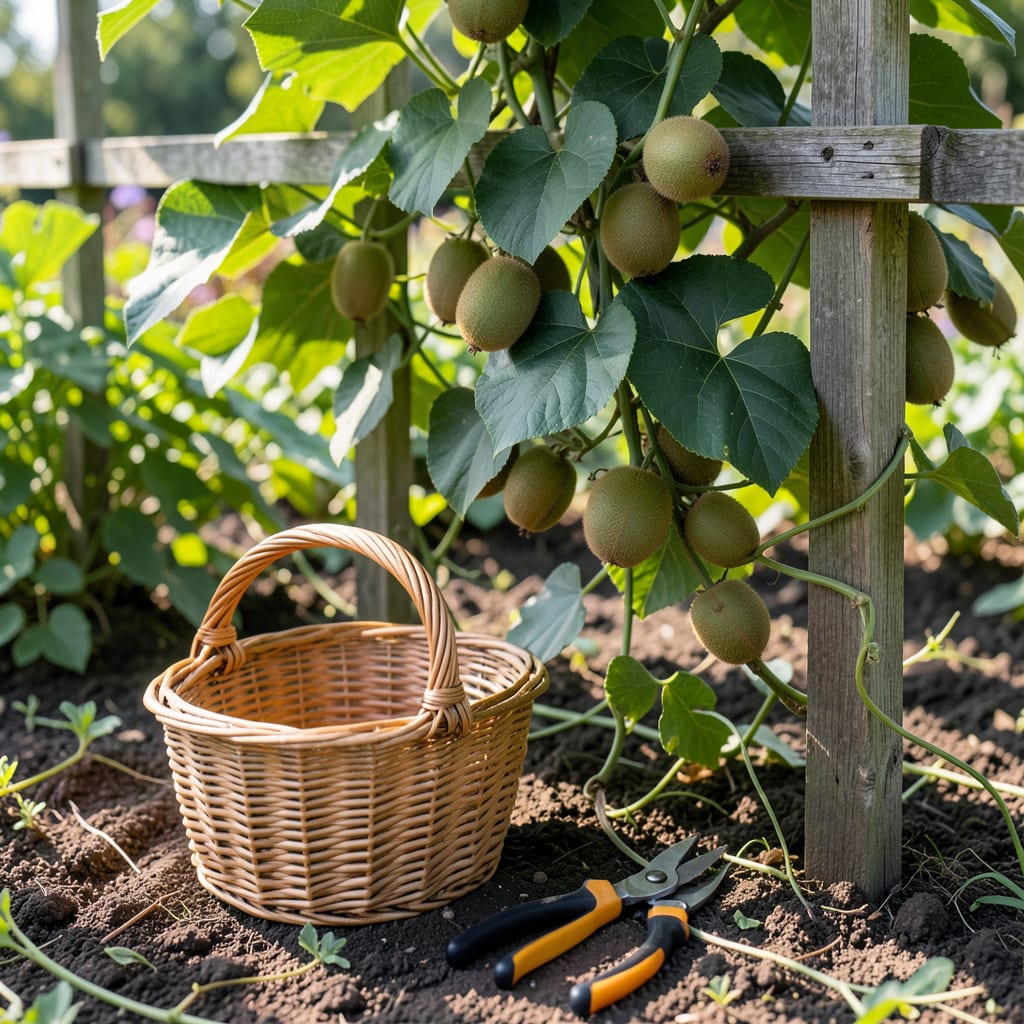
Nothing beats the sweet, tangy flavor of a perfectly ripe Kiwi—but picking the right one can feel like a guessing game. I’ve been there, squeezing fruit after fruit with no luck.
Let me share the simple tricks I’ve learned to select the juiciest, most flavorful 🥝 every time. These tips will change how you shop for this delicious fruit.


I’ve found that kiwi ripeness is all about the touch test. Gently press the fruit—it should give slightly, like a ripe avocado. If it’s rock-hard, it’s not ready yet.
Another key sign is the aroma. A ripe kiwi will have a sweet, fruity smell near the stem. If there’s no scent, the fruit likely needs more time to mature.
| Sign | What to Look For |
|---|---|
| Firmness | Slightly soft to touch |
| Aroma | Sweet, fruity smell near stem |
| Skin Color | Brownish, not green |
| Seeds | Black seeds inside |
For golden kiwis, the skin often changes from green to golden-brown as they ripen. This color shift is a great visual cue, especially for the Hayward variety.
If you’re still unsure, try the stem check. A ripe kiwi’s stem should be dry and slightly wrinkled. A green, fresh stem means the fruit isn’t ready yet.
I always recommend buying a few kiwis at different ripeness stages. This way, you can enjoy some immediately while others ripen at home over a few days. Store them at room temperature to speed up the process.
Remember, kiwis continue to ripen after being picked. So even if they’re a bit firm at the store, they’ll soften up in a day or two. Just keep them away from direct sunlight.
For the best flavor, let your kiwis ripen fully before eating. The sweetness increases as they soften, making them much tastier than when they’re hard and underripe.
If you’re growing your own kiwi vines, harvest the fruit when it starts to soften on the vine. This usually happens in late summer or early fall, depending on your climate.
Finally, don’t judge a kiwi by its size. Some of the smallest fruits can be the sweetest and most flavorful. Focus on the signs of ripeness instead of the size.
With these tips, you’ll never struggle to pick out the perfect kiwi again 🌿
Picking kiwi fruit isn’t just about grabbing the biggest one. I’ve seen gardeners make common errors that lead to underripe or overripe selections. Avoiding these mistakes ensures you get the best flavor and texture.
One major mistake is ignoring the stem area. A shriveled stem often signals the fruit is past its prime, while a firm stem means it’s not ready. Size isn’t everything either—smaller kiwis can be just as sweet.
⚠️ Avoid These Kiwi-Picking Pitfalls
Another error is assuming all kiwi varieties ripen the same way. Hayward kiwis turn brownish when ripe, while gold kiwis stay green but soften. Always check the variety-specific signs for best results.
I also advise against squeezing too hard. Gentle pressure should be enough to test ripeness. Over-handling can bruise the fruit, ruining its texture and taste.
Don’t overlook the aroma either. A ripe kiwi will have a sweet, fruity scent near the stem. If it smells like nothing, it’s not ready to pick.
Finally, timing matters. Picking too early in the season means the fruit hasn’t developed its full sugar content. Wait until late summer or early fall for the best results in most growing zones.
With these tips, you’ll avoid the most common pitfalls and enjoy perfectly ripe kiwis every time 🌱
Not all kiwi fruits are created equal. I’ve learned that different kiwi varieties have unique characteristics that affect their ripening process and flavor. Choosing the right one depends on your taste preferences and growing conditions.
The most common variety is the Hayward kiwi, known for its fuzzy brown skin and bright green flesh. It’s widely available and has a classic sweet-tart flavor that improves as it ripens off the vine.
| Variety | Flavor Profile | Ripening Signs |
|---|---|---|
| Hayward | Tart-sweet, classic kiwi taste | Brown skin, soft to touch |
| Gold Kiwi | Sweeter, tropical notes | Golden skin, yields to pressure |
| Organic Kiwi | Balanced sweet-tart | Smooth skin, fragrant aroma |
Gold kiwis are my personal favorite for their sweeter taste and smooth, edible skin. They’re often smaller than Haywards but pack a more intense flavor. Look for a golden-brown hue when selecting these.
For gardeners, organic kiwis offer a great middle ground with their balanced flavor and often smoother texture. These are ideal if you prefer fruit grown without synthetic pesticides.
When choosing, consider your growing zone. Most kiwi varieties thrive in USDA zones 5-9. If you’re in a cooler climate, opt for hardier varieties or consider growing them in containers that can be moved indoors during winter.
Each variety has its charm, so experiment to find your favorite 🌿
A ripe one has a sweet, fruity aroma near the stem. If there’s no scent, it needs more time to mature. The smell becomes stronger as it softens at home.
No, wrinkled skin means it’s overripe. Look for smooth skin with a slight give when pressed. A shriveled stem also signals it’s past its prime.
Place firm ones in a paper bag with a banana or apple at room temperature. The ethylene gas will accelerate ripening in 1-2 days.
Yes, but it won’t be as sweet. Hard ones will ripen off the vine—just give them 2-3 days at room temperature. Store with other fruit to speed up the process.
