
Beautiful Plants For Your Interior
Beautiful Plants For Your Interior
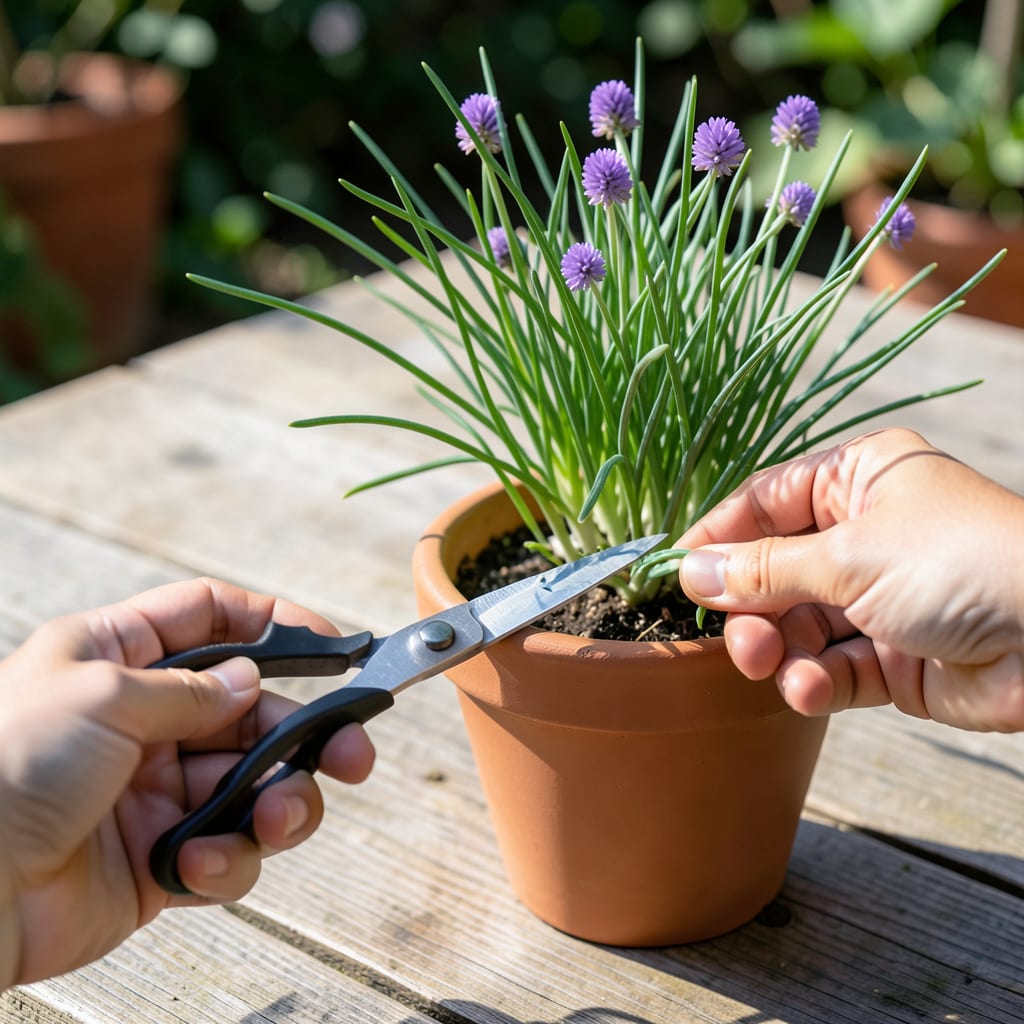
I used to ruin my chive plants by picking them the wrong way. Then I discovered the simple trick that keeps them thriving and producing all season long.
With the 🌱 Chives in your garden, you can enjoy fresh flavor whenever you need it. Let me show you how to harvest without harming the plant so it keeps growing back stronger.


Harvesting chives properly keeps your herb garden productive all season. I’ve learned that gentle techniques make all the difference in encouraging regrowth and maintaining plant health. ✂️
With the right approach, you can enjoy fresh chives for months. The key is cutting correctly and timing your harvest to avoid stressing the plant base. 🌱
I always start by inspecting the plant for healthy green leaves. Yellow or wilted leaves are a sign to hold off on harvesting. Look for firm stems with a strong onion aroma. 🌿
The best tool for the job is a pair of sharp scissors or garden shears. Dull blades can crush the stems, making the plant more susceptible to disease. Keep them clean too!
When cutting, I
One of the biggest mistakes I see is cutting too low. Always leave at least 1-2 inches of stem above the soil line. This gives the plant enough energy to recover and send up new shoots.
I also avoid harvesting flower buds unless I plan to use them. While edible, removing them directs the plant’s energy back into leaf production. If you love the purple blooms, harvest just a few for garnish.
After picking, I rinse the chives gently under cool water to remove any dirt or bugs. Pat them dry with a paper towel before storing. This keeps them fresh longer and ready for use.
To store, I wrap them in a damp paper towel and place them in a sealed container in the fridge. They’ll stay fresh for up to a week. For longer storage, freezing works well too. ☀️
Timing your chive harvest correctly ensures the best flavor and healthiest regrowth. I’ve found that morning harvesting after the dew dries gives the most aromatic leaves. 🌱
The ideal time is when leaves reach 6-12 inches tall and have a strong onion scent. Look for bright green and firm stems as signs of readiness. ✂️
Best Time of Day: Early morning after dew evaporates
Plant Maturity: 6-12 inch tall leaves with strong aroma
Seasonal Peak: April through October for most zones
I avoid harvesting when leaves are yellow or wilted, as this indicates plant stress. Also, if leaves are under 4 inches, they’re not ready yet. 🌿
During hot summer months, I harvest more frequently since chives grow faster. In cooler seasons, I space out harvests to every 2-3 weeks.
Flower buds appear in late spring and are edible, but removing them early redirects energy to leaf production. I harvest just a few for garnish.
Remember that consistent harvesting actually stimulates growth. By following these timing guidelines, you’ll enjoy a steady supply of fresh chives all season long. ☀️
Even experienced gardeners make errors when harvesting chives. I’ve seen over-harvesting and poor cutting techniques damage plants. These mistakes can stunt growth or even kill the plant. 🌱
One of the worst offenses is cutting too low. Always leave 1-2 inches of stem above the soil line to protect the plant base and allow regrowth. ✂️
Over-Harvesting: Never remove more than 1/3 of the plant at once.
Dull Tools: Always use sharp scissors or shears for clean cuts.
Cutting Too Low: Leave 1-2 inches of stem to prevent plant damage.
Another common issue is harvesting at the wrong time. Picking in the heat of the day can stress the plant. Early morning is ideal for the best flavor and recovery. 🌿
I also caution against ignoring plant health. If your chives have yellow leaves or look wilted, hold off on harvesting. These are signs of stress or disease.
Finally, don’t harvest flower buds unless you plan to use them. Removing them redirects energy to leaf production, giving you more greens to enjoy. ☀️
You can harvest chives every 2-3 weeks during growing season. Always leave at least 1-2 inches of stem to encourage rapid regrowth.
Yes! Always harvest from the outer edge first, leaving the inner shoots to mature. This maintains continuous production throughout the season.
Early morning after dew dries is ideal. This is when leaves have the highest essential oil content, giving the best flavor.
The purple blossoms are edible and have a mild onion flavor. Harvest just a few to avoid reducing leaf production.
